Imagine having a tool that allows you to reach your audience directly, build relationships, and drive sales—all with just a few clicks. That’s the power of email marketing.
But what exactly is email marketing, and why should it matter to you? Whether you’re a seasoned business owner or just starting out, understanding this marketing strategy can be a game-changer. Email marketing is more than just sending emails. It’s about crafting messages that resonate, engage, and convert.
It’s a cost-effective way to connect with your customers, keep them informed, and nurture a loyal community. But its importance goes beyond just communication. Done right, email marketing can boost your brand visibility, enhance customer loyalty, and significantly increase your revenue. Curious about how email marketing can transform your business or personal projects? Stick around. This article will dive into the essentials of email marketing, uncovering why it’s crucial and how you can leverage it to your advantage. You’ll discover practical tips, proven strategies, and insights that can help you harness the full potential of email marketing.
Email Marketing Basics
Email marketing is a powerful tool for businesses. It helps connect with customers directly in their inbox. Understanding the basics can enhance your marketing strategy. This section explores the fundamentals of email marketing.
Definition And Purpose
Email marketing involves sending emails to a list of subscribers. Its purpose is to promote products, share updates, or build relationships. It’s a direct form of communication with your audience. Businesses use it to increase sales and customer loyalty. Emails can deliver personalized content. This makes it a valuable marketing channel.
Key Components
Successful email marketing relies on several key components. First, you need a targeted email list. This list should consist of people interested in your content. Second, creating engaging content is crucial. Your emails should be relevant and valuable to the reader. Use clear and simple language to convey your message.
Another component is a strong subject line. This determines if the email gets opened. Make it attention-grabbing yet concise. Call-to-action (CTA) is also vital. It guides the reader on what to do next, like visiting a website or making a purchase. Lastly, ensure your emails are mobile-friendly. Many users check emails on their phones. A mobile-friendly design improves user experience.

Credit: 2stallions.com
Types Of Email Marketing
Email marketing includes newsletters, promotional emails, and transactional messages. It’s crucial for building customer relationships. This strategy boosts engagement by delivering personalized content directly to subscribers’ inboxes.
Email marketing is a powerful tool in your digital arsenal, and understanding its various types can significantly enhance your business strategy. Each type of email serves a unique purpose, from keeping your customers informed to driving sales. Knowing when and how to use each can make a big difference in your campaign success.###Transactional Emails
Transactional emails are crucial for customer interactions. These emails are automated and sent based on user actions, like order confirmations or password resets. They are highly anticipated by recipients, making their open rates impressively high.Imagine purchasing a product online and not receiving a confirmation email. You’d likely feel uncertain about your transaction, right? These emails provide reassurance and build trust with your customers.###Promotional Emails
Promotional emails are designed to boost sales and promote special offers. They often include discount codes, special deals, or new product announcements. These emails aim to entice customers to make a purchase.Have you ever received a discount code for your birthday from a favorite brand? That’s a promotional email at work, personalizing your shopping experience and enhancing customer loyalty.###Newsletter Campaigns
Newsletter campaigns keep your audience informed and engaged. They typically include company news, updates, and valuable content. Newsletters are great for maintaining regular contact with your audience and building a community around your brand.Consider how you feel when a newsletter from a brand you love lands in your inbox. It’s like catching up with an old friend, providing insights and information that keep you connected and informed.Understanding these types of email marketing can help you communicate more effectively with your audience. What type will you explore to enhance your strategy?Benefits Of Email Marketing
Email marketing offers a cost-effective way to connect with a broad audience. Personalized messages enhance engagement and drive sales. Building relationships with subscribers boosts brand loyalty and awareness.
Email marketing is a powerful tool that can elevate your business to new heights. It’s more than just sending newsletters; it’s about building relationships and keeping your audience engaged. Whether you’re a small business or a large corporation, the benefits of email marketing are profound and can contribute significantly to your success.Cost-effectiveness
Email marketing is incredibly cost-effective. Unlike traditional marketing channels such as print or television, email requires minimal resources. You don’t need to spend thousands on printing or airtime. With just a few clicks, you can reach thousands of potential customers.I once worked with a small startup that had a tight budget. We focused on email marketing and saw a 30% increase in customer engagement without breaking the bank. This approach allowed the company to allocate funds to other crucial areas.Targeted Messaging
With email marketing, you can send targeted messages to specific groups within your audience. This personalized approach ensures your message resonates with the recipient. By segmenting your email list based on interests or purchasing behavior, you can send content that is relevant and timely.Imagine receiving an email about a product you’ve been eyeing, just as it goes on sale. That’s the power of targeted messaging. It’s like having a conversation with a friend who knows exactly what you need.Measurable Results
One of the most significant advantages of email marketing is the ability to track your results. You can easily measure open rates, click-through rates, and conversion rates. This data provides valuable insights into what works and what doesn’t.I once helped a client tweak their email campaign based on these metrics, leading to a 20% boost in sales. Knowing what your audience responds to allows you to refine your strategy and achieve better results.Email marketing is not just a tool; it’s a strategy that can transform your business. Have you explored how email marketing can benefit your business yet? If not, now is the time to start.
Credit: redalkemi.com
Building An Email List
Email marketing involves sending messages to people interested in your products or services. Building an email list is important because it allows businesses to reach potential customers directly. It helps maintain relationships and share updates, leading to increased engagement and sales opportunities.
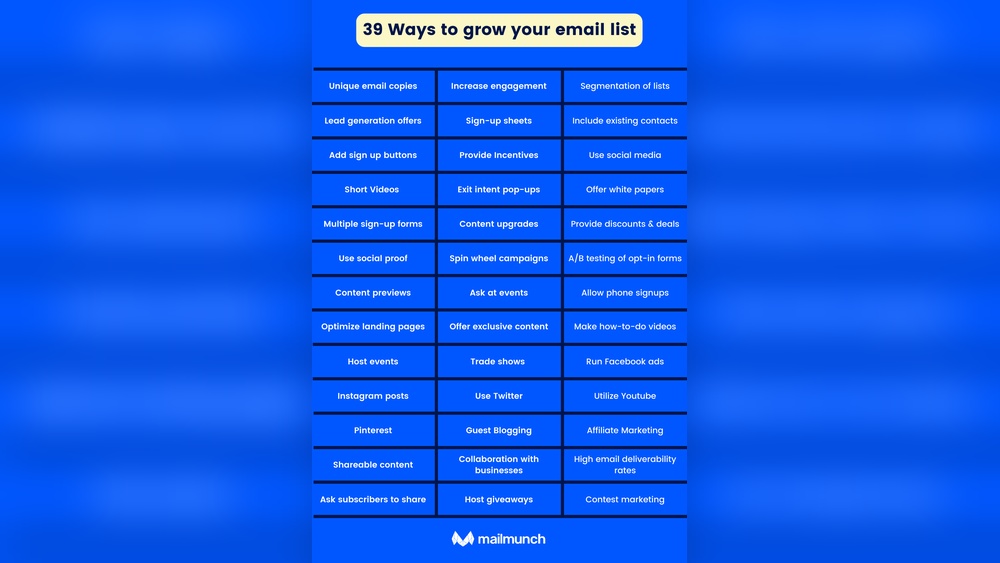
Building a strong email list is the backbone of effective email marketing. It’s like planting seeds for future growth. A well-curated list ensures that your messages reach people who are genuinely interested. This not only boosts your campaign’s success but also enhances your brand’s reputation.Engaging with your audience starts with an invitation. You need to offer a compelling reason for them to join your list. What’s in it for them? Think about exclusive discounts, free guides, or insider news. These incentives can be a great way to entice potential subscribers.Opt-in Strategies
Creating effective opt-in strategies is crucial. Start by placing sign-up forms in strategic locations on your website. Consider using pop-ups, slide-ins, or a dedicated landing page.Social media is another powerful tool. Use it to direct followers to your sign-up page. Collaborate with influencers to reach a wider audience.Always make the process simple and quick. A long form can deter potential subscribers. Just ask for essential information like their name and email address.Maintaining Subscriber Engagement
Once you have subscribers, keeping them engaged is key. Regular communication is vital, but it’s a balancing act. You don’t want to overwhelm them with too many emails.Personalize your emails to make them more engaging. Address subscribers by their first name and tailor content to their interests. This makes them feel valued and understood.Segment your list based on preferences or behavior. This allows you to send relevant content to each group. For example, if a subscriber has shown interest in a specific product, send them updates or special offers about it.Finally, ask for feedback to improve your strategy. What do they like or dislike about your emails? Use this information to refine your approach and provide better value.Building and maintaining an email list is an ongoing process. Are you ready to start nurturing those relationships?Crafting Effective Emails
Email marketing involves sending targeted messages to promote products or services. It’s vital for building customer relationships. By crafting effective emails, businesses can engage audiences, boost sales, and enhance brand awareness.
Crafting effective emails is an art that can transform your email marketing strategy from ordinary to extraordinary. Remember the last time you ignored an email simply because its subject line was dull? You’re not alone. Crafting an email that captures attention, speaks directly to the recipient, and compels them to act is crucial. Let’s dive into how you can achieve this with subject lines, personalization, and content that truly resonates.Subject Lines That Capture Attention
Subject lines are your first impression; make them count. Think about the emails you open versus those you skip. A subject line should spark curiosity or promise value. Use action verbs and avoid jargon. Test different styles—questions, lists, or teasers—to see what works for your audience. Remember, the best subject lines are short and snappy.Personalization Techniques
People love feeling special. Personalization in emails isn’t just about using a name. Think of how much more engaging an email is when it reflects your interests or previous actions. Segment your audience based on behavior and preferences. Personalize based on location, purchase history, or even browsing behavior. This makes your email feel like a conversation, not a broadcast.Compelling Content
Your content should be the hero of your email. It’s what keeps your reader engaged after the subject line has done its job. Share stories, offer solutions, or ask questions that prompt thought. Use bullet points for easy readability and ensure your message is clear. Bold important ideas and include images that complement your message. Ask yourself: Is this email offering value or simply filling space?Creating effective emails is a skill you can master. Imagine the impact of emails that not only get opened but get read and acted upon. What strategies will you try first?Email Marketing Tools
Email marketing involves sending messages to a group of people using email. It’s crucial for building customer relationships and promoting products. Using effective tools can enhance engagement, improve communication, and increase sales.
Email marketing is a powerful tool for businesses, but it can be overwhelming without the right resources. That’s where email marketing tools come in. They simplify the process, making it easier for you to reach your audience effectively. From automating tasks to analyzing results, these tools are essential for any successful email marketing strategy. Let’s dive into some key features you should look for.Automation Platforms
Automation platforms are a game-changer in email marketing. They allow you to set up campaigns that run automatically based on triggers. Imagine being able to send a welcome email to a new subscriber without lifting a finger. Platforms like Mailchimp and HubSpot offer intuitive interfaces that make setting up automation a breeze. You can create workflows that cater to different customer journeys, ensuring personalized experiences for your audience. This not only saves you time but also helps maintain consistent communication with your subscribers.Analytics And Tracking
Analytics and tracking are the backbone of any email marketing campaign. Without them, you’re essentially flying blind. Tools like Google Analytics and Campaign Monitor provide insights into how your emails are performing. Are your subject lines enticing enough? Are people clicking through to your website? These insights can help you refine your strategies. Tracking metrics such as open rates, click-through rates, and conversion rates can guide your future campaigns. You can test different elements to see what resonates best with your audience. This data-driven approach ensures your efforts are always improving.Email marketing tools are not just about sending emails; they’re about sending the right emails to the right people at the right time. Have you tried using these tools to enhance your email strategy? If not, consider incorporating them into your next campaign. They might just be the key to unlocking greater engagement and conversion.Challenges In Email Marketing
Email marketing involves sending emails to promote products or services. It’s vital for building customer relationships. Yet, challenges like spam filters and low engagement rates can hinder success. Understanding your audience and crafting relevant content is key to overcoming these obstacles.
Email marketing is a powerful tool, but it comes with its fair share of challenges. As you craft your perfect email, you might find yourself scratching your head, wondering why some emails never seem to reach your subscribers. Or worse, why they end up in the dreaded spam folder. Let’s dive into these hurdles and explore solutions that can make your email campaigns more successful.Deliverability Issues
Deliverability is about getting your emails into your subscribers’ inboxes. It’s not as simple as pressing ‘send’ and hoping for the best. You need to consider factors like your sender reputation and the quality of your email list.A personal tip: Always keep your email list clean. Remove inactive subscribers regularly. This helps maintain a strong sender reputation, which is crucial for deliverability. An email bouncing back or going unnoticed in the inbox doesn’t benefit anyone.Have you ever noticed that some emails just never make it to your inbox? It’s frustrating, right? That’s why deliverability matters. It’s the bridge between your email and your audience.Avoiding Spam Filters
Spam filters are like the gatekeepers of email inboxes. They scrutinize every email, looking for spammy characteristics. Unfortunately, legitimate emails sometimes get caught in these filters.To dodge these filters, focus on crafting clear, authentic content. Avoid using all caps, excessive exclamation marks, or misleading subject lines. These are red flags for spam filters.Here’s a thought: If you were the recipient, would you open your email? This mindset helps you create genuine, engaging content that resonates with your audience and bypasses spam filters.Do you remember the last time a promotional email landed in your spam folder? It’s a missed opportunity for the sender. Ensuring your emails pass through these filters is vital to your campaign’s success.By understanding and addressing these challenges, you can improve the effectiveness of your email marketing efforts. It’s not just about sending emails; it’s about ensuring they reach and engage your audience.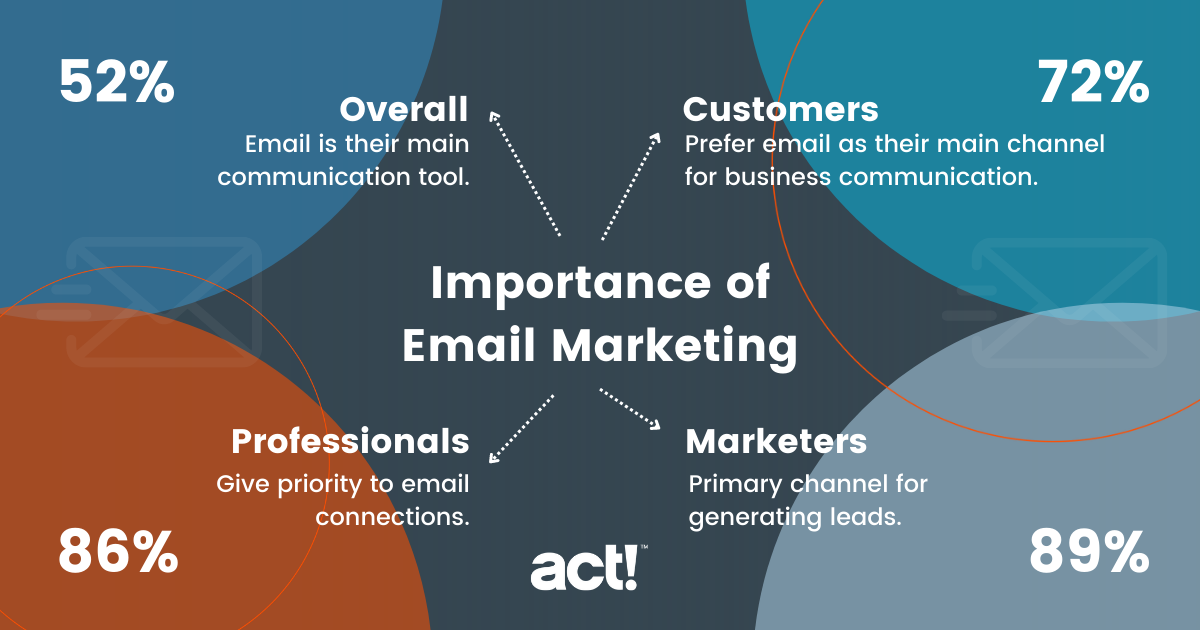
Credit: www.act.com
Future Of Email Marketing
The future of email marketing holds exciting possibilities. As technology advances, email marketing evolves. It becomes more dynamic and personalized. Businesses leverage these changes to reach their audiences effectively. Understanding the future trends can help marketers stay ahead. Let’s explore the emerging trends and integration opportunities.
Emerging Trends
Email marketing sees new trends shaping its future. Automation tools are more sophisticated. They help tailor emails based on user behavior. This increases engagement and conversion rates. Artificial intelligence is playing a bigger role. It analyzes data to predict customer needs. Personalized content is becoming the norm. This makes emails more relevant to recipients.
Interactive emails are gaining popularity. They engage users with polls, quizzes, and videos. This interaction keeps subscribers interested. Mobile optimization is crucial. More people read emails on mobile devices now. Emails must be easy to read and navigate on small screens.
Integration With Other Channels
Email marketing is not isolated. It integrates well with other channels. Social media and email work together seamlessly. Sharing email content on social platforms extends reach. This creates a cohesive marketing strategy.
CRM systems enhance email marketing. They provide valuable customer insights. This helps in crafting targeted email campaigns. Integrating email with e-commerce platforms is beneficial. It allows for personalized product recommendations. This boosts sales and customer satisfaction.
Email marketing’s future is bright. Embracing these trends and integrations is essential. It ensures businesses connect effectively with their audience.
Frequently Asked Questions
What Is The Main Purpose Of Email Marketing?
Email marketing aims to engage customers, boost sales, and build brand loyalty through personalized communication. It nurtures leads, promotes products, and informs subscribers about updates. Effective email campaigns can increase customer retention and drive website traffic, contributing to overall business growth.
How Important Is Email Marketing?
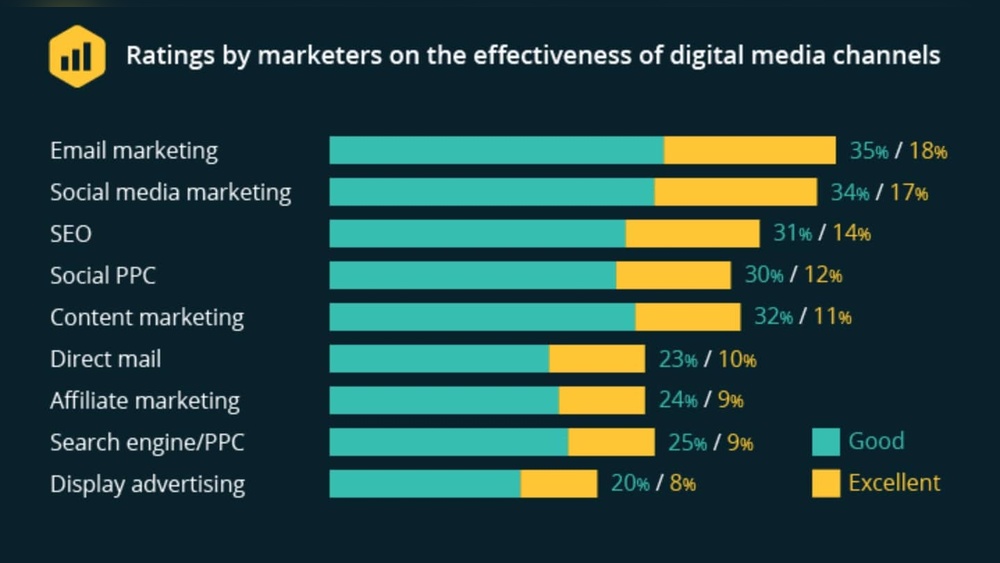
Email marketing is crucial for businesses. It boosts engagement, drives conversions, and builds brand loyalty. Personalized emails enhance customer relationships. Cost-effective campaigns target specific audiences, increasing ROI. Regular updates keep subscribers informed, fostering trust and repeat business. Email marketing is a powerful tool to achieve business growth and success.
What Are The Benefits Of Email Marketing?
Email marketing enhances customer engagement and loyalty. It provides measurable results and cost-effective outreach. Targeted campaigns increase conversion rates and boost sales. Personalized content improves brand awareness and audience connection. Automated workflows save time and effort, streamlining marketing processes.
What Is The Most Important Thing In Email Marketing?
Building a targeted email list is crucial for effective email marketing. It ensures relevant content reaches interested subscribers, boosting engagement and conversions. Personalization enhances connection, while compelling subject lines increase open rates. Regularly analyze campaign performance to refine strategies for better results.
Conclusion
Email marketing remains a powerful tool. It connects businesses with customers. Regular updates build strong relationships. This approach keeps brands in customers’ minds. It’s cost-effective and easy to track. Businesses can see what works. Email marketing improves brand loyalty. It also boosts sales.
Simple strategies can lead to big rewards. Personalized messages engage readers more. People respond to content tailored for them. Businesses should use email wisely. It’s an essential part of digital marketing. Ignoring it might mean missed opportunities. So, embrace email marketing.
Watch your business grow. Stay connected with your audience. Keep them informed and interested.