Have you ever wondered about the impact of your email marketing efforts? Understanding the average conversion rate for email marketing can open a gateway to optimizing your campaigns.
Imagine sending out emails that not only reach inboxes but also transform curious readers into loyal customers. This isn’t just about numbers; it’s about unlocking the potential of each email you send. You might be missing out on crucial insights that could elevate your strategy and boost your business.
By the end of this article, you’ll grasp the benchmarks you need to aim for, and discover simple tweaks that could dramatically improve your results. Dive in to find out how your email marketing can achieve its full potential and leave a lasting impact on your audience.
Email Marketing Conversion Rate Basics
Email marketing conversion rate basics are crucial for understanding campaign success. This metric shows how many people take action after receiving your email. Action can mean purchasing, signing up, or clicking a link. Knowing this helps improve your email strategy.
What Defines Email Marketing Conversion Rates?
The conversion rate is the percentage of recipients who take action. It’s calculated by dividing actions by total emails sent. Multiply by 100 for a percentage. A higher rate means more successful emails.
Many elements impact conversion rates. Subject lines are vital. They attract attention and encourage opens. Timing matters too. Send emails when your audience is active.
Importance Of Audience Segmentation
Segmenting your audience boosts conversion rates. Group subscribers by interests, behaviors, and demographics. Tailor content to each segment for better engagement.
Email Content And Call-to-action
Quality content is key to conversion. Write clear, concise messages. Include a strong call-to-action. Tell readers exactly what to do next.
Measuring Success With Analytics
Track conversions using analytics tools. They provide insights into email performance. Use data to refine your strategy. Aim for continuous improvement.

Credit: www.mailmodo.com
Factors Influencing Conversion Rates
Email marketing conversion rates often vary. Factors like audience engagement and message clarity influence outcomes. The average rate typically hovers around 15%, showcasing the importance of tailored content.
Understanding the factors influencing conversion rates in email marketing can significantly enhance your campaign’s effectiveness. Every business aims for high conversion rates, but achieving them requires keen attention to several key elements. Let’s dive into these factors, which can make or break your email marketing success.Target Audience
Identifying the right target audience is crucial. Imagine sending a vegan recipe newsletter to a group of meat enthusiasts. The mismatch would lead to a dismal conversion rate.Ensure your emails reach people who find your content relevant and valuable. Utilize data and analytics to refine your audience targeting. Are you speaking to their needs and interests?Email Content Quality
Quality content is the backbone of any successful email campaign. Think about the emails you open versus those you delete without a second glance. Engaging subject lines and compelling body content make a world of difference.Focus on clear, concise messaging that resonates with your audience. Including a strong call-to-action can guide your readers to take the next step. Are you offering something that truly benefits them?Timing And Frequency
When and how often you send emails can influence your conversion rates. Bombarding your subscribers might cause annoyance, while infrequent emails can lead to being forgotten.Strike a balance by analyzing when your audience is most responsive. Test different days and times to find the sweet spot for your sends. Are you respecting their time and attention?Reflect on these factors and consider how they apply to your strategy. Are there areas you can tweak for better results? Understanding these elements can lead to a successful email marketing journey.Industry Benchmarks
Understanding industry benchmarks helps gauge the success of email marketing. Different sectors have varying average conversion rates. Knowing these can guide your strategy. It helps in setting realistic goals. Let’s explore the average conversion rates in diverse industries.
E-commerce
The e-commerce sector often sees varied conversion rates. On average, conversion rates hover around 1% to 5%. Product type can influence this. Sales, discounts, and personalized content boost conversions. Engaging visuals and clear calls-to-action also help. Targeted campaigns can improve these numbers.
B2b
In B2B, conversion rates tend to be higher than e-commerce. Typically, they range from 5% to 10%. Longer sales cycles may affect this. Detailed content and strong relationships drive success. Offering valuable insights can increase interest. B2B audiences value information and expertise.
Non-profit
Non-profit email marketing has unique challenges. Conversion rates usually range from 2% to 4%. Emotional storytelling aids in boosting engagement. Clear communication of the mission is crucial. Highlighting impact can encourage donations. Building trust with transparency improves results.
Credit: www.mayple.com
Improving Conversion Rates
Email marketing often sees conversion rates between 15% and 25%. This can vary by industry and audience. Understanding this helps improve strategies and boost results.
Improving conversion rates in email marketing is crucial for maximizing the return on your marketing efforts. Are you struggling with low conversion rates? The solution might be simpler than you think. By focusing on personalization, testing, and effective calls-to-action, you can significantly boost your email marketing performance. Let’s dive into practical strategies that can help you see real results.Personalization Strategies
How often do you feel special when receiving an email addressed to “Dear Customer”? Probably not often. Personalization is more than just using a recipient’s first name. Consider segmenting your audience based on their behavior and preferences. This allows you to tailor content that resonates with each individual. Imagine receiving a product recommendation that perfectly matches your recent purchase history—it’s hard to resist. Implementing dynamic content can make your emails more relevant and engaging, increasing the likelihood of conversion.A/b Testing
What if the secret to higher conversion rates is hidden in testing? A/B testing can provide insights into what resonates with your audience. Try different subject lines, email designs, or send times to see what works best. Remember the time you tried a new recipe and discovered the perfect ingredient combination? A/B testing is similar. It allows you to experiment and find the ideal mix that leads to better engagement. Keep testing and refining to ensure your strategy remains effective.Effective Call-to-actions
Have you ever received an email and wondered what to do next? That’s the result of a weak call-to-action (CTA). Your CTA should be clear, concise, and compelling. Use action-oriented language like “Shop Now,” “Learn More,” or “Get Started Today.” Consider the last time you followed a CTA—was it the promise of exclusive content or a limited-time offer that drew you in? Strong CTAs guide your reader towards the desired action, helping to convert interest into measurable results.Improving your email marketing conversion rates is not an overnight task, but these strategies provide a solid foundation. What changes will you implement in your next campaign? The journey to higher conversions starts with a single step.Analyzing And Measuring Success
Understanding how to measure success is crucial in email marketing. Analyzing conversion rates helps gauge the effectiveness of your campaigns. This process involves evaluating key metrics and using tools to track performance.
Key Metrics
Monitoring click-through rates is essential. It shows how many recipients clicked links in your emails. The open rate reveals how many people opened your message. This metric indicates the initial engagement level. Conversion rate is the percentage of recipients who completed the desired action. This could be purchasing a product or signing up for a service. Bounce rate measures emails that weren’t delivered. High bounce rates can signal issues with your email list.
Tools And Software
Several tools help track email marketing success. Google Analytics is a popular choice. It provides detailed insights into user behavior. Mailchimp offers built-in analytics for campaign performance. This tool tracks open rates and clicks. HubSpot provides comprehensive email tracking features. It integrates with other marketing activities. Using these tools simplifies measuring success.

Credit: flowium.com
Common Pitfalls To Avoid
Email marketing’s average conversion rate sits around 1-5%. Many overlook the importance of personalizing content. Another mistake is not segmenting the audience, leading to less effective campaigns.
Email marketing can be a game-changer for your business, but some common pitfalls can diminish its effectiveness. Knowing what to avoid is just as important as knowing what to do. By steering clear of these traps, you can boost your conversion rates and build stronger relationships with your audience.Spam Triggers
Spam filters are like gatekeepers. They can block your emails from reaching your subscribers’ inboxes. Triggering these filters often means your carefully crafted emails end up unread in the spam folder.Avoid words that spam filters flag, like “free” or “guaranteed.” These words can raise red flags and send your emails to the abyss. Instead, focus on clear, honest language that adds value.In my early days of email marketing, I learned this the hard way. My emails were full of promotional buzzwords and rarely reached my audience. Once I toned down the salesy language, my open rates improved significantly.Overwhelming Frequency
More isn’t always better. Bombarding your subscribers with emails can lead to fatigue and increase your unsubscribe rate. It’s crucial to find a balance that keeps your audience engaged without overwhelming them.Consider the quality of your content over the quantity. Would you rather receive one valuable email a week, or several that don’t offer much? Your subscribers probably feel the same way.Experiment to find the right frequency for your audience. Monitor your engagement metrics closely. Are open rates dropping when you send more frequently? Adjust accordingly to maintain interest and avoid burnout.By avoiding these common pitfalls, you can increase your email marketing conversion rates and build a more loyal audience. What changes can you make to your email strategy today?Future Trends In Email Marketing
Email marketing is evolving rapidly. The future promises exciting changes. Businesses aim for higher conversion rates. Understanding future trends is crucial. Let’s explore some key trends shaping email marketing.
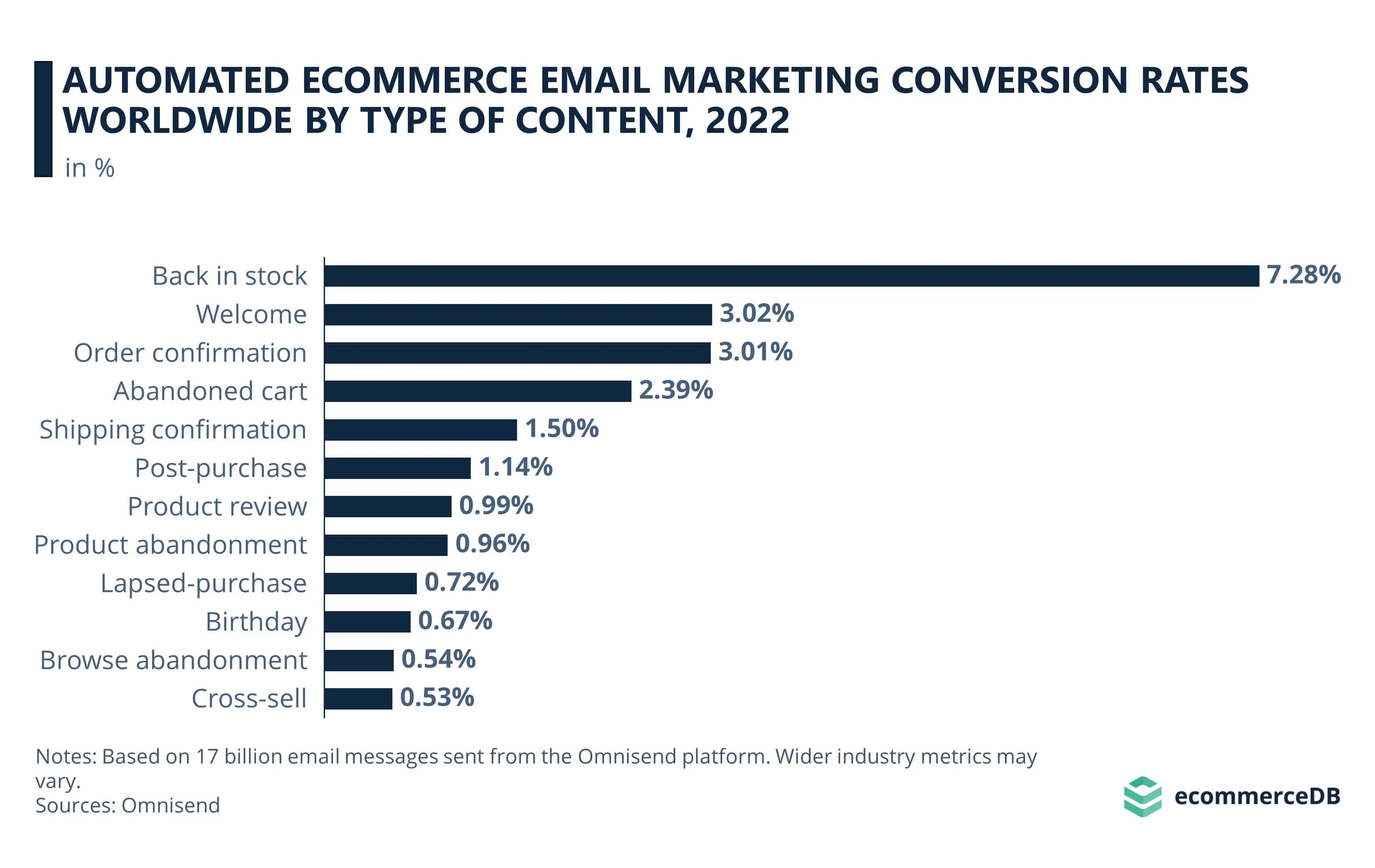
Automation
Automation simplifies email marketing tasks. It helps manage campaigns efficiently. Automated emails reach subscribers at the right time. They enhance the user experience and save time. Personalization is another benefit. Automated tools can tailor content for each subscriber. This increases engagement and conversions. Businesses can focus on strategy, not manual tasks. Automation will continue to grow in importance.
Ai And Machine Learning
AI and machine learning are transforming email marketing. These technologies analyze vast amounts of data. They help understand customer behavior better. AI can suggest the best send times. It also recommends content based on user preferences. Machine learning improves email targeting. This leads to higher conversion rates. AI tools can optimize subject lines for open rates. They ensure emails stay relevant and engaging. Companies using AI will have a competitive edge.
Frequently Asked Questions
What Is A Good Conversion Rate In Email Marketing?
A good conversion rate in email marketing is typically between 2% to 5%. This rate varies by industry and campaign goals. Optimizing email content and targeting the right audience can improve conversion rates. Regularly analyze performance metrics to enhance strategies.
What Is A Good Roi For Email Marketing?
A good ROI for email marketing ranges from 3,800% to 4,400%, equating to $38-$44 earned per $1 spent. Success depends on strategy, content, and audience engagement. Regular analysis helps optimize campaigns and improve ROI over time.
What Is A Good Ctr For Email Marketing?
A good CTR for email marketing typically ranges from 2% to 5%. Achieving a higher CTR indicates engaging content and a targeted audience. Regularly analyzing and optimizing your email campaigns can help improve your CTR over time.
What Is The Success Rate Of Email Marketing?
Email marketing has a success rate of around 15-25% open rates. Click-through rates average 2-5%. Results vary by industry and strategy. Consistent testing and optimization improve performance.
Conclusion
Email marketing conversion rates vary. Factors include industry, audience, and campaign quality. Understanding these can help improve your strategy. Personalization often boosts engagement. High-quality content encourages actions. Regularly analyze your campaigns. Adjust based on findings. Testing different approaches is crucial.
Small changes can lead to better results. Stay informed about trends and techniques. This keeps your strategy effective. Patience and persistence are key. Success doesn’t come overnight. Keep refining your approach. Aim for gradual improvement. These steps help increase your conversion rates.
Email marketing success is within reach.