Imagine opening your inbox to find an email that instantly grabs your attention. Is it the vibrant picture or the compelling text that draws you in?
As you navigate the world of email marketing, you face the critical choice between picture and text-based content. Which one truly resonates with your audience? Which method enhances engagement and drives action? This decision is not just about aesthetics; it’s about connecting with your audience on a deeper level.
You might wonder how these elements play into the psychology of your readers and how they can be optimized for maximum impact. So, if you’re keen on unlocking the secrets to effective email marketing, you’re in the right place. Let’s explore how pictures and text can transform your campaigns and captivate your audience like never before.
Visual Appeal In Email Marketing
Email marketing combines creativity and communication. Visual appeal plays a vital role. Pictures and text both have their strengths. Understanding these can enhance your campaigns.
Visual Engagement
Images catch the eye quickly. They convey messages faster than words. Bright colors and interesting designs grab attention. An image can tell a story instantly. This makes it powerful in email marketing.
Emotional Connection
Pictures evoke emotions. A warm image can make people feel happy. An inspiring image can boost motivation. Emotions drive actions. So, images can lead to better engagement.
Brand Recognition
Images strengthen brand identity. A consistent visual style helps recognition. Logos and color schemes create familiarity. Visual consistency builds trust with your audience.
Text Clarity
Text provides clear information. It explains details that images cannot. Well-crafted words guide the reader. Text ensures that the message is understood.
Balancing Visuals And Text
Finding balance is key. Too many images can overwhelm. Too much text can bore. A mix of both keeps emails engaging. This balance makes your message clear and attractive.
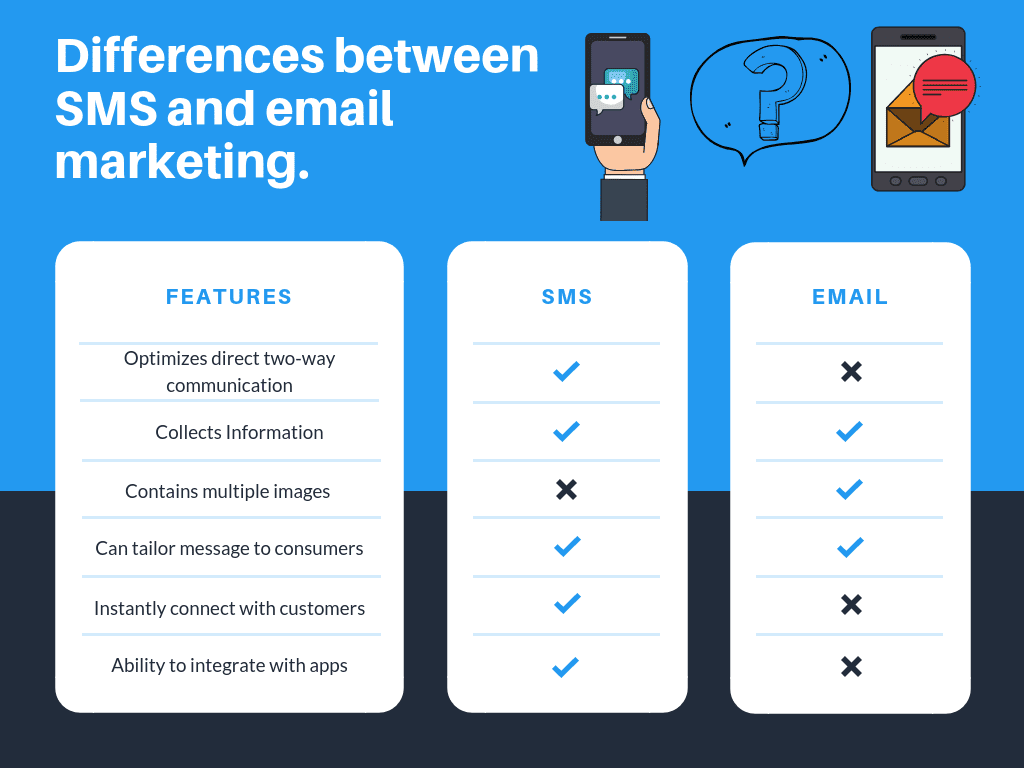
Credit: simpletexting.com
Advantages Of Picture-based Emails
Picture-based emails offer several advantages over text-only emails. They capture attention quickly and convey messages visually. Images can evoke emotions and increase interest. This makes them a powerful tool in email marketing.
Enhanced Engagement
Images in emails can enhance engagement significantly. Visual content grabs attention faster than text. A well-placed image can increase click-through rates. People remember images better than words. This helps in creating a lasting impression.
Brand Storytelling
Images help in telling a brand’s story effectively. They can illustrate brand values and vision. Storytelling through images connects emotionally with the audience. This builds a stronger relationship with the brand. Visual stories are often easier to understand and remember.
Product Showcase
Pictures are ideal for showcasing products. They provide a clear view of product features and benefits. High-quality images can highlight details text might miss. This helps potential customers make informed decisions. Visuals can also inspire and influence buying behavior.
Challenges Of Using Images
Images in email marketing can be a double-edged sword. While they captivate attention and convey messages vividly, they also come with a set of challenges that can impact your campaign’s success. These challenges often revolve around loading times, email client compatibility, and accessibility concerns. Each of these factors can significantly influence how your audience engages with your content. Let’s dive into these aspects to ensure your emails not only look good but perform excellently.
Loading Times
Ever opened an email and waited ages for the images to load? That’s a common issue. Large images can slow down loading times, frustrating your audience. Slow emails risk losing the reader’s interest before your message is even delivered. Consider optimizing your images for faster loading. Compress them without losing quality. Smaller files mean quicker load times, keeping your readers engaged. Remember, a swift experience is a better experience.
Email Client Compatibility
Different email clients display images in various ways. What looks perfect in Gmail might be off-center in Outlook. This inconsistency can lead to misinterpretations of your message. You might lose crucial visual elements due to compatibility issues. Test your emails across multiple platforms. Ensure your images appear correctly on popular clients. This step can safeguard your campaign’s integrity, ensuring your message is clear wherever it’s viewed.
Accessibility Concerns
Not everyone can see images. Some users rely on screen readers to access your content. If your email is image-heavy without alternative text, you might exclude this audience. Accessibility is about inclusivity and ensuring everyone can engage with your message. Add descriptive alt text to your images. This simple step ensures those using screen readers can still appreciate your content. Ask yourself: are you catering to all your audience, or just a segment?
In your email marketing journey, balancing images and text is key. Addressing these challenges head-on can elevate your campaigns. How will you tackle these hurdles to improve your email strategy?

Credit: www.trymaverick.com
Strengths Of Text-based Emails
Text-based emails offer several advantages in marketing. They are easy to read on all devices, ensuring accessibility. These emails load quickly, making them ideal for users with slow internet connections. Additionally, they often feel more personal, helping to build a stronger connection with recipients.
Text-based emails are an essential tool in the marketer’s arsenal. They offer unique strengths that can significantly enhance your email marketing strategy. Let’s dive into what makes text-based emails so powerful.Direct Communication
Text-based emails excel in delivering straightforward, clear communication. They cut through the clutter and deliver your message without unnecessary distractions. Have you ever noticed how a simple text email can feel like a personal note from a friend? This directness fosters an authentic connection with your audience, making your message more impactful.Personalization Opportunities
Text-based emails offer flexibility in personalization. You can easily customize the content to reflect your recipient’s preferences, making each email feel tailor-made. Imagine receiving an email that addresses your specific needs or interests—it’s as if the brand truly understands you. This level of personalization can lead to higher engagement and stronger customer relationships.Lower Spam Risk
A major advantage of text-based emails is their lower risk of being flagged as spam. They often bypass spam filters more effectively than image-heavy emails. Have you ever found a promotional email in your spam folder because it was loaded with images? Text-based emails minimize this risk, ensuring that your message reaches the inbox and not the spam folder.Text-based emails might seem simple, but their strengths are profound. They offer direct communication, enhanced personalization, and a lower risk of being marked as spam. How are you leveraging these strengths in your current email marketing strategy?Limitations Of Text-only Emails
Text-only emails have been a staple in email marketing for years. They offer simplicity and are easy to create. Yet, they come with limitations that marketers must consider. One major drawback is the lack of visual engagement, which can impact the effectiveness of the message. Another limitation is the restricted creativity, which can hinder the delivery of dynamic content.
Lack Of Visual Engagement
Text-only emails often fail to capture attention. Readers are drawn to images and graphics. Visual elements make emails memorable. They break up large blocks of text. Without visuals, emails can appear dull. This reduces the chance of engagement. Visuals help convey emotions and messages quickly. Text alone may not achieve this.
Limited Creativity
Text-only formats restrict creative expression. Marketers have fewer tools to create impact. Images and graphics allow storytelling. They make complex information simpler. Text-heavy emails can be overwhelming. They lack the variety that images provide. Creativity is crucial for standing out in inboxes. Text limits possibilities for engaging content.
Combining Text And Images
Email marketing thrives on the right blend of text and visuals. Images capture attention quickly. Texts provide detailed information. Both elements should work together. This creates a compelling message that engages your audience. Combining them effectively enhances your email’s performance. It ensures your message is clear and appealing.
Balancing Visuals And Content
Balance is key in email marketing. Too many images can overwhelm the reader. Too much text might bore them. A good mix maintains interest and conveys information. Use images to highlight key points. Complement them with concise text. This keeps your email engaging and informative.
Best Practices For Integration
Follow best practices to blend text and images. Use high-quality images that relate to your content. Ensure text is readable and complements the visuals. Keep text short and direct. Avoid large image sizes to prevent slow loading. Test your email on different devices. Make sure it looks good everywhere.
Analyzing Audience Preferences
Email marketing involves choosing between picture-based and text-based content. Understanding audience preferences is crucial. Different audiences have different needs. Some prefer visuals. Others respond better to text. Knowing these preferences helps tailor emails for better engagement.
Segmenting Your Audience
Audience segmentation is a key strategy. It helps identify different groups within your audience. Use demographics like age, gender, and location. Consider interests and behaviors too. This data guides your content choice. Send picture-heavy emails to those who prefer visuals. Opt for text-based content for others.
Feedback And Analytics
Feedback is essential to understand audience preferences. Encourage recipients to share their thoughts. Surveys and polls are effective tools. Analytics provide insights into email performance. Track open rates and click-through rates. Analyze which type of content gets more engagement. Use this data to refine your strategy.
Innovative Strategies For Success
Email marketing is more than just sending messages; it’s about creating connections. Picture versus text emails are the two main styles, but how do you make them work for you? Innovative strategies can help you stand out and achieve success in your campaigns.
Interactive Elements
Interactive elements can transform a passive email into an engaging experience. Consider adding clickable buttons that lead to exclusive content or surveys. This encourages your audience to participate actively, increasing engagement and interest.
Animations can breathe life into your emails. A simple GIF can catch your reader’s eye and convey your message quickly. Imagine receiving an email where a product demonstrates itself with a short animation. Wouldn’t you be tempted to learn more?
Personalized Visuals
Personalized visuals make recipients feel special. Tailor images to match the recipient’s preferences or previous interactions. This adds a personal touch, making your audience feel valued and understood.
Think about the last time you received an email that seemed like it was made just for you. How did it make you feel? Using customer data to customize visuals can strengthen the connection between you and your audience.
Are you leveraging personalized visuals in your campaigns? If not, consider the impact this could have on your engagement rates. It’s a simple yet effective way to show your audience you care.
Innovative strategies in email marketing, like interactive elements and personalized visuals, can elevate your campaigns. Which strategy will you try next to captivate your audience?
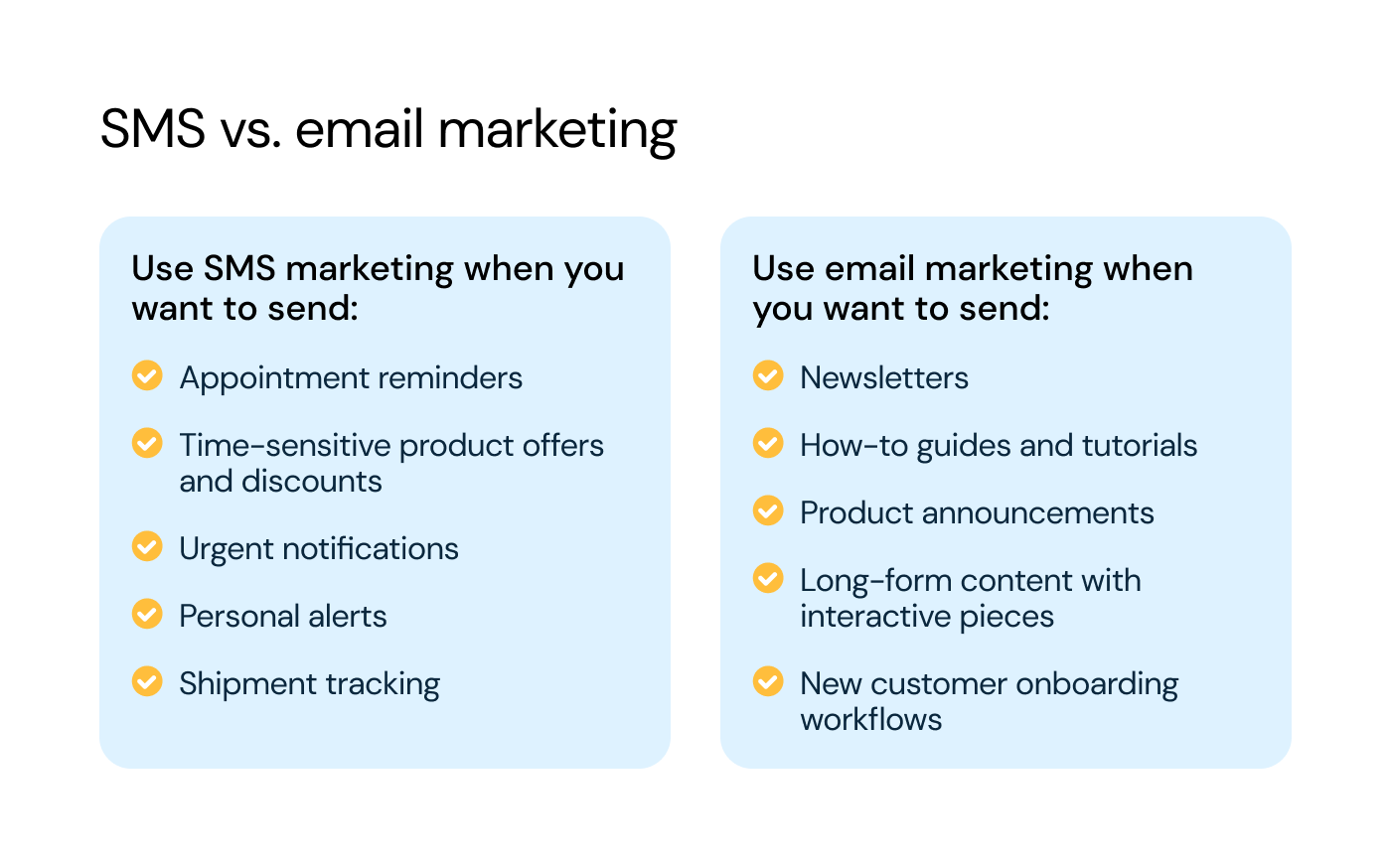
Credit: sinch.com
Frequently Asked Questions
What Is The Text-to-image Ratio For Email Marketing?
A recommended text-to-image ratio for email marketing is 80:20. This means 80% text and 20% images. This balance ensures readability and delivers messages effectively, enhancing user engagement and minimizing email loading issues.
What Is The 60 40 Rule In Email?
The 60/40 rule in email marketing suggests using 60% engaging, informative content and 40% promotional material. This balance helps maintain audience interest while effectively promoting products or services. Prioritize valuable information to build trust and encourage interaction, ensuring higher open rates and conversions.
Do Emails With Images Perform Better?
Emails with images can boost engagement by capturing attention and enhancing visual appeal. They often improve click-through rates. Ensure images are relevant and optimized for faster loading. Too many images might trigger spam filters. Balance text and visuals for the best performance.
Testing can identify what works best for your audience.
What Is The Image To Text Ratio For Spam?
An ideal image-to-text ratio for avoiding spam is 20:80. Ensure 80% of your content is text to enhance readability and SEO. Too many images can trigger spam filters, reducing email deliverability. Balance visuals with informative text to maintain engagement and credibility.
Conclusion
Choosing between picture and text email marketing depends on your goals. Pictures grab attention quickly. Text gives more details. Balance both for best results. Pictures catch eyes; text builds connections. Test different styles. See what works for your audience. Experiment with design and content.
Track engagement rates. Adjust strategies based on feedback. Adapt to changes in preferences. Keep content fresh and engaging. Remember, variety keeps your audience interested. Use images for impact. Use text for clarity. Together, they create effective campaigns. Stay flexible. Keep learning from results.
Aim for meaningful communication.