
Are you ready to boost your business and reach more customers online? Digital marketing can feel overwhelming with so many options and techniques out there.
But what if you had a clear, simple guide that shows you exactly what works? This article breaks down 7 powerful digital marketing strategies that can help you grow your brand, attract the right audience, and increase your sales. Keep reading, and you’ll discover easy-to-follow tips you can start using right now to get real results.
Your success starts here.
Content Marketing
Content marketing is a key strategy in digital marketing. It helps brands connect with their audience by sharing useful information. Good content builds trust and keeps people coming back. It also improves search engine rankings. Creating, sharing, and measuring content are all important steps for success.
Creating Valuable Content
Start by understanding your audience’s needs and interests. Write clear, helpful articles that answer common questions. Use simple language and short sentences. Include images or videos to make content more engaging. Focus on solving problems rather than selling products. Consistent quality keeps readers interested.
Content Distribution Channels
Choose the right channels to share your content. Social media platforms reach many users quickly. Email newsletters deliver content directly to interested readers. Blogs and websites provide a place for detailed information. Use multiple channels to reach different groups. Posting regularly keeps your audience engaged.
Measuring Content Success
Track key metrics like page views, shares, and comments. Look at how long visitors stay on your pages. Check which content leads to more sales or inquiries. Use tools like Google Analytics for accurate data. Adjust your strategy based on what works best. This helps improve future content efforts.

Credit: www.parallaxstudios.co.za
Search Engine Optimization
Search Engine Optimization (SEO) helps websites rank higher in search results. It drives free, targeted traffic to your site. SEO makes your content easier for search engines to understand.
This section covers three key parts of SEO. Each part improves your website’s visibility and authority.
Keyword Research Techniques
Start by finding words people type in search engines. Use tools like Google Keyword Planner or Ubersuggest. Look for keywords with high search volume and low competition. Focus on phrases that match your audience’s needs. Include long-tail keywords to reach specific queries. Organize keywords by relevance and intent. This helps create content that answers real questions.
On-page Seo Best Practices
Place keywords naturally in titles, headings, and text. Write clear and short meta descriptions. Use descriptive URLs with keywords. Add alt text to images for better indexing. Improve page speed and mobile usability. Structure content with headings and bullet points. Internal links connect related pages, helping search engines crawl your site. Good on-page SEO improves user experience and rankings.
Building Quality Backlinks
Backlinks are links from other websites to yours. They signal trust and authority to search engines. Focus on links from reputable and relevant sites. Create valuable content that others want to share. Reach out to bloggers or websites for guest posts. Avoid spammy or low-quality links that hurt rankings. Consistent backlink building boosts your site’s credibility and search position.
Social Media Marketing
Social media marketing plays a key role in digital marketing strategies. It helps brands connect directly with their audience. This method builds awareness, trust, and loyalty. Many platforms offer unique ways to share content and interact. It is important to use social media smartly to get the best results.
Choosing The Right Platforms
Not all social media platforms work for every business. Choose platforms where your target audience spends time. For example, younger audiences prefer TikTok and Instagram. Professionals use LinkedIn more often. Focus on a few platforms to manage your efforts well. Quality matters more than quantity in social media marketing.
Engaging Your Audience
Engagement is about creating two-way communication. Ask questions, reply to comments, and listen to feedback. Share content that is useful and interesting. Use images and videos to catch attention quickly. Post regularly to keep your audience active. Engagement builds trust and encourages sharing.
Running Effective Ad Campaigns
Paid ads can boost your reach and results. Target specific groups based on age, interests, and location. Set a clear goal for each campaign, like increasing website visits or sales. Use simple and direct messages in ads. Track performance and adjust ads to improve results. Small budgets can still produce good outcomes with the right strategy.
Credit: www.smartinsights.com
Email Marketing
Email marketing remains a strong strategy for businesses to connect with their audience. It helps build relationships and encourages customer loyalty. A well-planned email campaign can boost sales and increase brand awareness. This section breaks down the key parts of email marketing that deliver results.
Building An Email List
Start by gathering emails from people interested in your brand. Offer something valuable like a free guide or discount in exchange for their email. Use sign-up forms on your website and social media pages. Keep the process simple and quick to encourage more sign-ups. Make sure to get permission before adding anyone to your list.
Crafting Engaging Newsletters
Write newsletters that your readers want to open and read. Use clear and catchy subject lines to grab attention. Keep the content short and focused on one topic per email. Use images and bullet points to make the email easy to scan. Always include a clear call to action to guide readers on what to do next.
Automation And Personalization
Set up automated emails to reach customers at the right time. Send welcome emails, birthday wishes, or reminders automatically. Personalize emails by using the recipient’s name and preferences. Tailored messages feel more relevant and increase engagement. Automation saves time and keeps your audience connected without extra effort.
Pay-per-click Advertising
Pay-Per-Click (PPC) advertising is a popular way to get quick traffic to your website. You pay only when someone clicks your ad. This method targets people actively searching for products or services. PPC can bring fast, measurable results and helps control your advertising costs.
To succeed with PPC, you need to set up effective campaigns, optimize ads, and manage your budget well. Each step plays a key role in your ad’s success and your return on investment.
Setting Up Campaigns
Start by choosing the right platform. Google Ads is the most common choice. Define your goals clearly, such as sales or leads. Select keywords that your potential customers use. Create ad groups to organize similar keywords. Write clear, simple ad copy that matches the search intent. Use strong calls to action that invite clicks.
Optimizing Ad Performance
Track your ads regularly to see what works. Test different headlines and descriptions. Use negative keywords to avoid irrelevant clicks. Adjust bids for better positions or times of day. Improve your landing pages for faster loading and easy navigation. Higher quality ads lower costs and increase clicks.
Budget Management Strategies
Set a daily or monthly budget that fits your overall marketing plan. Start small to test your ads and learn what works. Pause or remove ads that do not perform well. Use bid strategies like manual or automated bidding. Always watch your spending to avoid surprises. Smart budget control helps keep your campaigns profitable.
Influencer Marketing
Influencer marketing uses popular online personalities to promote brands. These influencers have a loyal audience that trusts their opinions. This method helps brands reach new customers in an authentic way. Influencers share products or services naturally through their content. This builds trust and drives engagement effectively.
Finding The Right Influencers
Choose influencers who match your brand’s values. Check their audience size and engagement rates. Look for active followers who comment and share. Micro-influencers often have more loyal audiences. Use tools to analyze influencer profiles and reach. Make sure their content style fits your message. Authenticity matters more than follower count.
Collaborative Campaign Ideas
Work with influencers to create unique content together. Product reviews and unboxing videos perform well. Host giveaways or contests to boost interaction. Influencers can share behind-the-scenes stories about your brand. Use Instagram takeovers to let influencers run your profile. Collaborations create fresh content that attracts attention.
Measuring Influencer Impact
Track engagement metrics like likes, comments, and shares. Monitor website traffic and sales from influencer links. Use promo codes to measure direct conversions. Analyze follower growth during campaigns. Compare results to set clear goals. Regular measurement helps improve future influencer efforts.
Analytics And Data Tracking
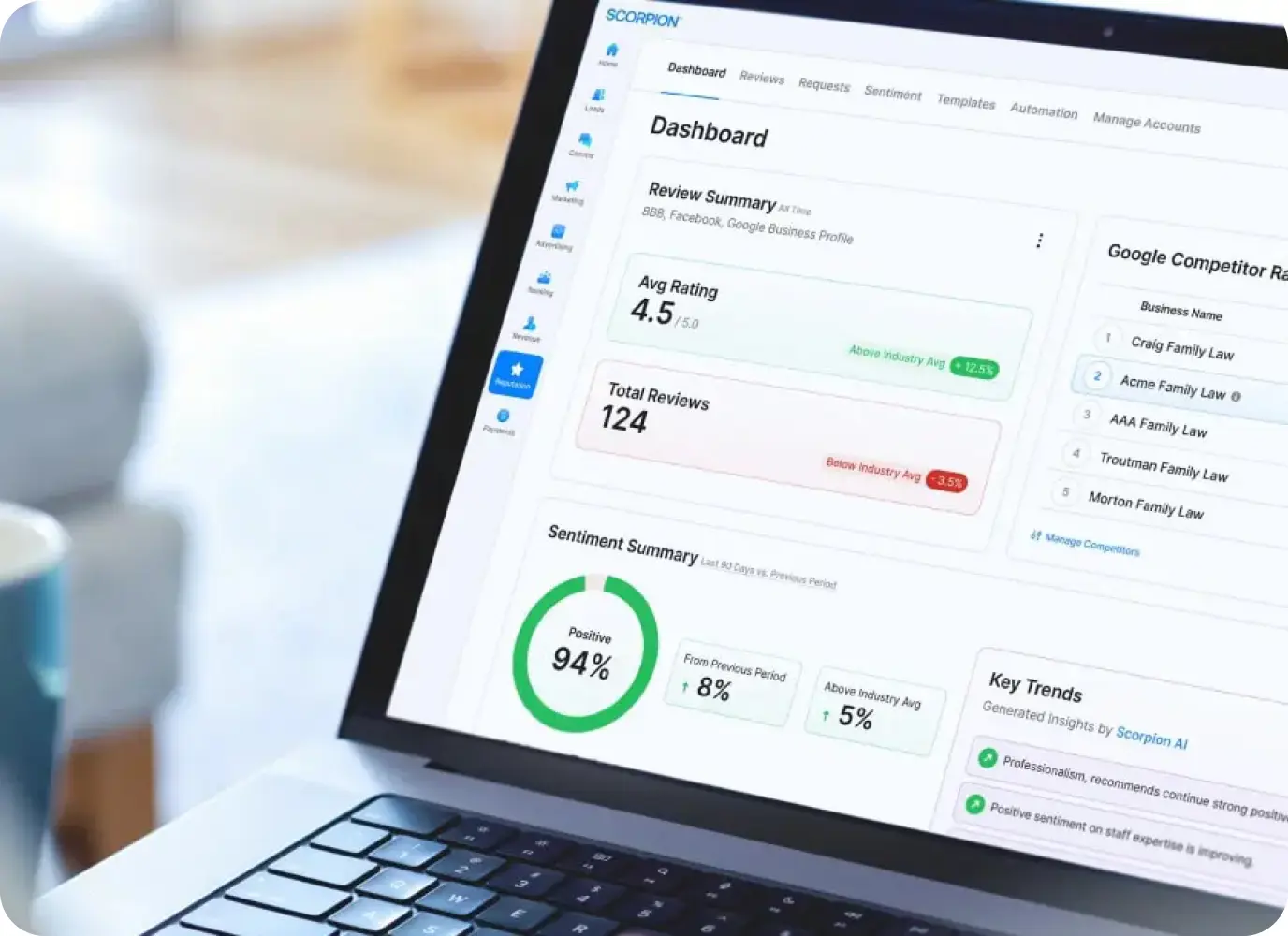
Analytics and data tracking form the backbone of any successful digital marketing plan. They help you see what works and what doesn’t. Without data, decisions are just guesses. With data, you can make clear, smart choices. This section explains how to use analytics effectively.
Key Metrics To Monitor
Start by tracking important numbers that show your marketing’s performance. Monitor website traffic to see how many visitors you get. Check conversion rates to know how many visitors take action. Watch bounce rates to find out if visitors leave quickly. Track click-through rates on ads and emails. These metrics reveal what attracts your audience and where you can improve.
Using Analytics Tools
Use tools like Google Analytics to gather data easily. These tools give detailed reports on visitor behavior and source. They show which pages are popular and which are ignored. Set up goals to measure specific actions, like purchases or sign-ups. Tools also help track social media and email campaign results. Use the data to understand your audience better.
Adjusting Strategies Based On Data
Data shows what parts of your marketing work well. It also points out weak spots. Use this information to change your tactics. If a campaign has low engagement, try different content or timing. Increase budget on channels that bring more leads. Keep testing and improving based on results. This keeps your marketing efficient and effective.
Credit: www.scorpion.co
Frequently Asked Questions
What Are The Best Digital Marketing Strategies Today?
Top digital marketing strategies include SEO, content marketing, social media, email campaigns, PPC advertising, and influencer marketing. These methods boost visibility, engagement, and conversions effectively when combined strategically.
How Does Seo Improve Digital Marketing Success?
SEO enhances website ranking on search engines, driving organic traffic. It improves user experience, increases brand credibility, and supports other marketing channels for better overall results.
Why Is Content Marketing Vital For Digital Growth?
Content marketing educates and engages your audience, building trust and loyalty. Quality content attracts leads, nurtures relationships, and supports SEO, making it crucial for sustained digital success.
Can Social Media Boost Digital Marketing Results?
Yes, social media increases brand awareness, drives traffic, and fosters customer interaction. It’s essential for targeting specific audiences and amplifying your digital marketing campaigns.
Conclusion
These seven digital marketing strategies can boost your online presence. Use them step by step. Track your results and adjust your plan often. Stay patient; success takes time and effort. Keep learning about new trends and tools. Small changes can bring big improvements.
Your business can grow with smart digital marketing. Start today and watch your progress unfold.


