
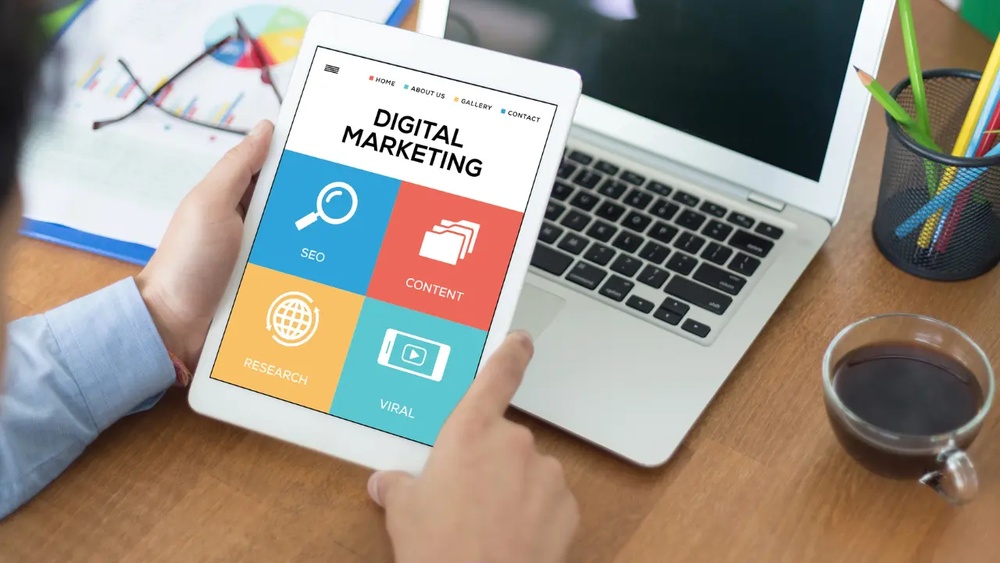
Are you ready to unlock the secrets of digital marketing but don’t know where to start? This guide is made just for you.
Whether you want to grow your business, build a brand, or boost your skills, understanding digital marketing is key. Imagine reaching the right people at the right time, turning visitors into loyal customers. Sounds exciting, right? Keep reading, and you’ll discover simple steps and powerful tips that make digital marketing easy and effective for beginners like you.
Your path to success starts here.
Credit: www.icertglobal.com
Starting With Digital Marketing
Starting with digital marketing can feel overwhelming. So many terms, tools, and options appear at once. The key is to begin with the basics. Understanding the core ideas helps build confidence and direction.
Digital marketing is about reaching people online. It uses the internet to promote products or services. Knowing where to focus efforts saves time and money. Setting clear goals guides every action and decision.
Key Concepts To Know
Learn terms like SEO, PPC, and content marketing early. SEO means improving your website to appear in search results. PPC is paid ads that show up on search engines or social media. Content marketing involves creating articles, videos, or posts to attract visitors.
Understanding the customer journey is also vital. This journey includes awareness, consideration, and decision stages. Each stage needs different messages and strategies. Knowing this helps create better campaigns.
Choosing The Right Channels
Pick channels where your audience spends time. Social media, email, search engines, and websites are common choices. Not every channel fits all businesses. Focus on a few to avoid spreading yourself too thin.
For example, Instagram works well for visual products. LinkedIn suits B2B companies. Google Ads help reach customers searching for solutions. Test channels to see which performs best for you.
Setting Clear Goals
Goals give your marketing a clear target. They can be increasing website visits, generating leads, or boosting sales. Make goals specific and measurable. For example, aim for 500 new website visitors in one month.
Clear goals help track progress and improve strategies. They also keep your team focused and motivated. Without goals, marketing efforts can become random and less effective.
Credit: www.alphaacademy.org
Building A Strong Online Presence
Building a strong online presence is essential for every digital marketer. It helps attract visitors, gain trust, and grow your business. A good online presence makes people remember your brand and choose your services over others.
Focus on key areas like your website, social media, and branding. Each plays a big role in how your audience sees you. Let’s explore how to build each part effectively.
Creating An Effective Website
Your website is your online home. It must be simple, fast, and easy to use. Visitors should find information quickly. Use clear menus and a clean design. Include contact details and a call to action. Mobile-friendly sites reach more people. Regular updates keep your site fresh and relevant.
Leveraging Social Media Platforms
Social media connects you with your audience directly. Pick platforms where your audience spends time. Post useful content often. Engage with followers by answering questions and comments. Use images and videos to attract attention. Social media helps build relationships and trust.
Importance Of Consistent Branding
Consistent branding makes your business recognizable. Use the same colors, logos, and style everywhere. This creates a strong, professional image. Consistency builds trust and makes your brand memorable. Keep your message clear and simple. It helps people understand what you offer.
Content Strategies That Work
Content strategies shape how your audience sees your brand. They help you connect and keep visitors interested. A strong content plan builds trust and drives traffic. This section covers key strategies that bring real results.
Crafting Engaging Content
Create content that speaks directly to your readers. Use clear and simple language. Ask questions to involve them. Share stories that relate to their needs and problems. Keep paragraphs short and focused. Use headings and bullet points to make reading easier. Always offer useful information that adds value.
Using Seo For Visibility
SEO helps your content reach more people. Choose keywords your audience searches for. Place them naturally in titles, headings, and text. Write meta descriptions that explain your content clearly. Use internal links to guide visitors through your site. Regularly update content to stay relevant. SEO improves your chances to appear on search results.
Incorporating Multimedia Elements
Images, videos, and infographics make content more interesting. They break up long texts and explain ideas quickly. Use clear and relevant visuals to support your message. Videos can show how to use a product or tell a story. Infographics simplify complex information into easy visuals. Multimedia keeps visitors engaged longer and improves understanding.
Mastering Paid Advertising
Paid advertising is a key skill for digital marketers. It helps reach more people fast. Learning how to use ads well can boost your campaigns. Ads put your message in front of the right audience. It’s important to know how to plan and manage ads.
This section covers three important points. Choosing the right ad type. Setting a smart budget. Watching how your ads perform. These steps guide beginners to run ads confidently.
Choosing Between Ppc And Social Ads
PPC means pay-per-click ads shown in search engines. Social ads appear on platforms like Facebook or Instagram. PPC works well for users ready to buy. Social ads help build brand awareness and engagement. Think about your goals before picking an ad type. Each type targets audiences differently. Choose the one that fits your marketing plan.
Budgeting For Campaigns
Set a clear budget before starting an ad campaign. Small budgets can still bring good results if used wisely. Divide your money based on ad goals and duration. Monitor spending daily to avoid overspending. Adjust budgets based on which ads perform best. A planned budget helps keep your campaigns on track.
Tracking Ad Performance
Measure your ads to see if they work. Use tools like Google Analytics or ad platform reports. Check clicks, impressions, and conversions regularly. Look for ads that bring the most results. Stop or change ads that do not perform well. Tracking helps improve your campaigns over time.
Email Marketing Essentials
Email marketing remains one of the strongest tools for digital marketers. It allows direct contact with your audience. This creates a personal connection that builds trust and loyalty.
Understanding the basics is vital for beginners. Knowing how to build a list, design campaigns, and analyze results helps improve your efforts. Let’s explore these email marketing essentials.
Building A Quality Email List
Your email list is the heart of your marketing. Focus on gathering contacts who want to hear from you. Use sign-up forms on your website and social media. Offer something valuable, like a free guide or discount, to encourage sign-ups. Avoid buying email lists as they often contain unengaged contacts. A smaller, engaged list is better than a large, inactive one.
Designing Effective Campaigns
Keep your emails clear and focused. Use simple language and short sentences. Add a strong subject line to grab attention. Include a clear call to action, telling readers what to do next. Use images wisely to support your message but avoid clutter. Test your emails on different devices to ensure they look good everywhere.
Analyzing Open And Click Rates
Track how many people open your emails and click links. Open rates show if your subject lines work. Click rates reveal if your content interests readers. Use this data to improve future campaigns. Try different subject lines and content styles. Keep testing to learn what your audience prefers.
Credit: offers.hubspot.com
Analytics And Optimization
Analytics and optimization are key parts of digital marketing. They help you understand what works and what does not. Tracking data lets you see how people interact with your content and ads. Optimization means using that data to make your campaigns better. This section covers useful tools, how to read data, and ways to test your ideas.
Using Tools To Track Metrics
Tools like Google Analytics and Facebook Insights show important numbers. These include website visits, clicks, and conversions. They help you watch trends over time. Choose tools that fit your goals. Set them up to collect data automatically. Check your metrics regularly to spot changes fast.
Interpreting Data For Growth
Data tells a story about your audience. Look for patterns in where visitors come from. See which pages keep people interested. Find out what makes users leave quickly. Use this information to improve content and ads. Focus on what your audience likes and avoid what they ignore.
A/b Testing For Improvement
A/B testing compares two versions of a page or ad. Change one element at a time, like a headline or image. Show each version to different groups. See which one gets better results. Use the winning version to increase success. Keep testing to keep improving your campaigns.
Avoiding Common Pitfalls
Avoiding common pitfalls is key for new digital marketers. Mistakes can slow progress and waste effort. Awareness helps to navigate challenges smoothly. Learning from errors speeds growth and builds confidence. Staying alert keeps marketing strategies effective and relevant.
Overcoming Common Mistakes
Many beginners make simple but costly mistakes. Ignoring audience needs leads to poor results. Using too many tools can cause confusion. Skipping data analysis stops improvement. Focus on clear goals and track progress. Test different methods to find what works best. Learn from feedback and adjust quickly.
Staying Updated With Trends
Digital marketing changes fast every day. New tools and techniques appear often. Following blogs and experts helps stay informed. Join online communities to share ideas and tips. Regular learning prevents falling behind competitors. Keep experimenting with new approaches. Adapt strategies based on current trends.
Managing Time Efficiently
Time is a valuable resource for marketers. Prioritize tasks that bring the most impact. Avoid multitasking to keep focus and quality. Use calendars and to-do lists to stay organized. Set clear deadlines and stick to them. Break big projects into small, manageable steps. Take breaks to avoid burnout and stay fresh.
Frequently Asked Questions
What Is Digital Marketing For Beginners?
Digital marketing involves promoting products or services online. Beginners should understand SEO, social media, email, and content marketing basics. It helps reach targeted audiences effectively and grows brand awareness.
How To Start A Digital Marketing Career?
Start by learning core skills like SEO, PPC, and analytics. Gain hands-on experience through internships or projects. Build a portfolio and stay updated with industry trends for success.
Which Tools Are Essential For Digital Marketers?
Key tools include Google Analytics, SEMrush, and Canva. These help with tracking, keyword research, and content creation. Using the right tools boosts efficiency and campaign results.
How Long Does It Take To Learn Digital Marketing?
Learning basics can take 3 to 6 months with consistent effort. Mastery requires continuous practice and staying updated with trends. Patience and persistence are crucial for growth.
Conclusion
Digital marketing offers many chances to grow your skills and business. Start small, learn the basics, and practice daily. Keep track of your progress and adjust your plans. Stay curious and open to new ideas. Success comes with patience and steady effort.
Use this guide as your first step forward. You can build a strong foundation for your marketing journey. Keep moving ahead and enjoy the learning process.


