
Are you ready to unlock the full power of digital marketing? Whether you’re just starting out or looking to sharpen your skills, this complete guide is made for you.
Inside, you’ll find clear, simple steps to help you attract more customers, boost your online presence, and grow your business. By the end, you’ll know exactly what works and how to make it work for you. Keep reading—your success in digital marketing starts here.
Digital Marketing Basics
Digital marketing is the use of online tools to promote products or services. It helps businesses reach more people quickly and efficiently. Understanding the basics is key for anyone starting out in this field.
Digital marketing uses the internet and digital devices to connect with customers. It involves various strategies and channels to share messages and attract buyers. Knowing the basics helps create strong campaigns that drive results.
Key Concepts
Digital marketing involves concepts like SEO, PPC, and content marketing. SEO means making websites easier to find on search engines. PPC is paid advertising that shows up on search results or websites. Content marketing creates useful information to attract and keep customers. Social media marketing uses platforms like Facebook and Instagram to engage audiences. Email marketing sends messages directly to people’s inboxes. These concepts work together to build a strong online presence.
Types Of Digital Marketing
There are many types of digital marketing. Search Engine Optimization (SEO) helps websites rank higher on Google. Pay-Per-Click (PPC) ads appear at the top of search results. Social Media Marketing uses social platforms to connect with users. Content Marketing shares articles, videos, or blogs to attract visitors. Email Marketing sends newsletters and offers to subscribers. Affiliate Marketing partners with others to promote products. Each type has its own role in reaching customers.
Benefits For Businesses
Digital marketing offers many benefits for businesses. It reaches a large audience at a low cost. Businesses can target specific groups based on age, location, or interests. Results are easy to measure using analytics tools. Marketing campaigns can be adjusted quickly for better results. It builds brand awareness and trust over time. Digital marketing also helps compete with larger companies by leveling the playing field.
Content Marketing Strategies
Content marketing strategies help businesses reach and connect with their audience. They guide the creation and sharing of useful, relevant content. Good strategies build trust and encourage action.
These strategies focus on creating value rather than just selling. They include planning content, choosing where to share it, and checking how well it works.
Creating Engaging Content
Start by knowing your audience’s needs and questions. Use simple language and clear ideas. Stories, tips, and how-to guides catch attention well. Visuals like images and videos add interest. Content should solve problems or teach something new. Keep sentences short and easy to read. Make the content useful and relevant every time.
Content Distribution Channels
Choose channels where your audience spends time. Social media platforms help reach many people quickly. Email newsletters connect directly with interested readers. Blogs improve search engine visibility and build authority. Video platforms engage through visual storytelling. Use a mix of channels to spread your message widely. Consistent sharing keeps your brand visible and trusted.
Measuring Content Performance
Track how many people read, share, or comment. Use tools to see which content gets the most views. Check how long visitors stay on your pages. Look for actions like clicks or sign-ups. Analyze this data to learn what works best. Adjust content and channels based on these insights. Measuring helps improve future marketing efforts.
Search Engine Optimization
Search Engine Optimization (SEO) helps websites rank higher in search results. It makes your site easier to find. Good SEO drives more visitors and grows your online presence. This section covers key SEO methods to improve your website.
On-page Seo Techniques
On-page SEO focuses on content and HTML elements on your site. Use clear titles with main keywords. Write short, easy sentences in paragraphs. Use headings to organize content. Add descriptive alt text to images. Ensure fast page loading speed. Make URLs simple and readable. Use internal links to related pages.
Off-page Seo Tactics
Off-page SEO builds your website’s reputation and trust. Get backlinks from popular, relevant sites. Share content on social media platforms. Engage with your audience through comments and forums. List your business in online directories. Collaborate with influencers or bloggers. These actions show search engines your site is valuable.
Keyword Research Tips
Keyword research finds words people search for. Use tools like Google Keyword Planner or Ubersuggest. Choose keywords with good search volume and low competition. Focus on long-tail keywords for specific topics. Check what competitors use and learn from them. Update keywords regularly to match trends. Keywords guide your content and improve rankings.
Social Media Marketing
Social media marketing helps businesses connect with people online. It builds brand awareness and drives traffic to websites. Social platforms offer direct communication with customers. This marketing method is cost-effective and reaches a wide audience.
Choosing The Right Platforms
Select platforms where your audience spends time. Different platforms suit different goals and content types. Facebook works well for community building and ads. Instagram focuses on visuals, perfect for brands with strong images. LinkedIn is ideal for B2B and professional networking. Prioritize quality over quantity by focusing on a few platforms.
Building A Social Media Presence
Create profiles with clear and consistent branding. Use your logo and brand colors in images. Post regularly to stay visible and engage users. Share useful content that interests your followers. Respond quickly to comments and messages. This builds trust and loyalty with your audience.
Advertising On Social Media
Social media ads reach specific groups based on interests and behavior. Set a clear goal for your ad campaign. Use eye-catching images and simple text. Test different ads to see what works best. Track results and adjust your strategy over time. Paid ads increase visibility and can boost sales efficiently.
Email Marketing Tactics
Email marketing remains a powerful tool to connect with customers directly. It allows businesses to deliver personalized messages right to the inbox. Effective email tactics increase engagement and build trust over time.
Success in email marketing depends on clear, targeted strategies. Understanding your audience and crafting relevant content is key. Using automation can save time and improve results.
Crafting Effective Emails
Write clear and simple subject lines to grab attention. Keep the email content short and focused on one main idea. Use a friendly tone and direct calls to action. Make sure emails look good on both phones and computers.
Segmenting Your Audience
Divide your email list into smaller groups based on interests or behavior. Send messages that match each group’s needs. Segmentation improves open rates and reduces unsubscribes. It helps deliver more relevant and useful content.
Automation And Personalization
Set up automatic emails triggered by user actions like sign-ups or purchases. Personalize emails using the recipient’s name or past activity. Automation saves time and keeps your audience engaged. Personalized emails feel more human and increase response rates.
Credit: www.smarttask.io
Pay-per-click Advertising
Pay-Per-Click (PPC) advertising is a popular online marketing method. It helps businesses reach potential customers quickly. Advertisers pay only when someone clicks their ad. This makes PPC cost-effective and measurable. It works well for many industries and business sizes.
Setting Up Campaigns
Start by choosing the right platform, like Google Ads or Bing Ads. Define your goals clearly. Select keywords that match what your audience searches for. Write simple, clear ads that grab attention. Use relevant images or videos if the platform allows. Set your target audience by location, age, and interests.
Budget Management
Decide how much money to spend daily or monthly. Start with a small budget to test ads. Monitor your spending regularly to avoid overspending. Adjust bids on keywords based on performance. Focus more on keywords that bring better results. Stop spending on ads that do not get clicks.
Optimizing Ad Performance
Track important data like clicks, impressions, and conversions. Test different ad copies to see what works best. Use negative keywords to avoid irrelevant clicks. Improve landing pages to keep visitors interested. Keep ads updated to match current trends. Regularly review and tweak campaigns for better results.
Analytics And Reporting
Analytics and reporting play a crucial role in digital marketing. They provide clear insights into how campaigns perform. Understanding this data helps marketers make better decisions. Tracking the right numbers guides marketing strategies toward success.
Key Metrics To Track
Start by measuring website traffic and visitor behavior. Look at bounce rate, time on site, and page views. Conversion rate shows how many visitors take action. Click-through rate reveals how many click ads or links. Customer acquisition cost helps track marketing expenses. These metrics give a full picture of campaign health.
Using Analytics Tools
Tools like Google Analytics and SEMrush collect data automatically. They offer dashboards that show key performance indicators. Set up goals to track specific actions, like purchases or sign-ups. Use filters to focus on important data segments. These tools save time and improve accuracy in reporting.
Interpreting Data For Growth
Look for patterns and trends in the data over time. Identify which channels bring the best results. Spot areas where users drop off or lose interest. Use data to test new ideas and improve campaigns. Regular analysis helps grow your audience and increase sales.

Credit: www.amazon.com
Emerging Digital Marketing Trends
Digital marketing keeps changing fast. New trends shape how brands reach people online. Staying updated helps businesses stay ahead. Here are some key trends growing in digital marketing today.
Ai And Automation
Artificial intelligence helps marketers save time and work smarter. Automation tools manage tasks like emails and social media posts. AI also improves customer targeting by analyzing data quickly. This means ads reach the right audience more often. Marketers can focus on strategy instead of routine work.
Video Marketing Growth
Video content attracts more viewers than text or images. People watch videos to learn or relax. Brands use videos to explain products and tell stories. Short videos fit well on social media platforms. Live videos create real-time interaction with audiences. Video marketing builds stronger connections and trust.
Voice Search Optimization
More people use voice assistants like Siri and Alexa. Voice searches sound different from typed searches. Marketers change their strategies to match spoken language. Using natural phrases and questions helps websites appear in voice results. Optimizing for voice search increases chances of being found easily.
Building A Digital Marketing Team
Building a digital marketing team is key to business growth. A strong team drives campaigns, builds brands, and connects with customers. Choosing the right people and skills shapes your success. Each role plays a special part in reaching goals.
Essential Roles
Every digital marketing team needs core roles. A content creator writes blogs, social posts, and emails. A social media manager handles platforms and audience engagement. SEO specialists improve search rankings and website traffic. Paid ads managers run campaigns on Google and social networks. Analysts track data and measure performance. Designers create visuals that attract attention. Each role supports a different part of marketing.
Skills To Look For
Look for skills that match your goals. Creativity helps in making fresh content. Analytical skills aid in understanding data and trends. Communication skills are vital for clear messaging. Technical knowledge in SEO and paid ads is important. Adaptability matters for fast changes in marketing tools. Team players who collaborate well boost productivity. Focus on skills that help solve problems.
Outsourcing Vs In-house
Deciding between outsourcing and in-house depends on needs. In-house teams offer control and faster communication. Outsourcing can save money and provide expert skills. Small businesses often start with freelancers or agencies. Larger firms benefit from full-time employees on-site. Mix both options for flexibility and efficiency. Balance cost, quality, and speed to choose best fit.
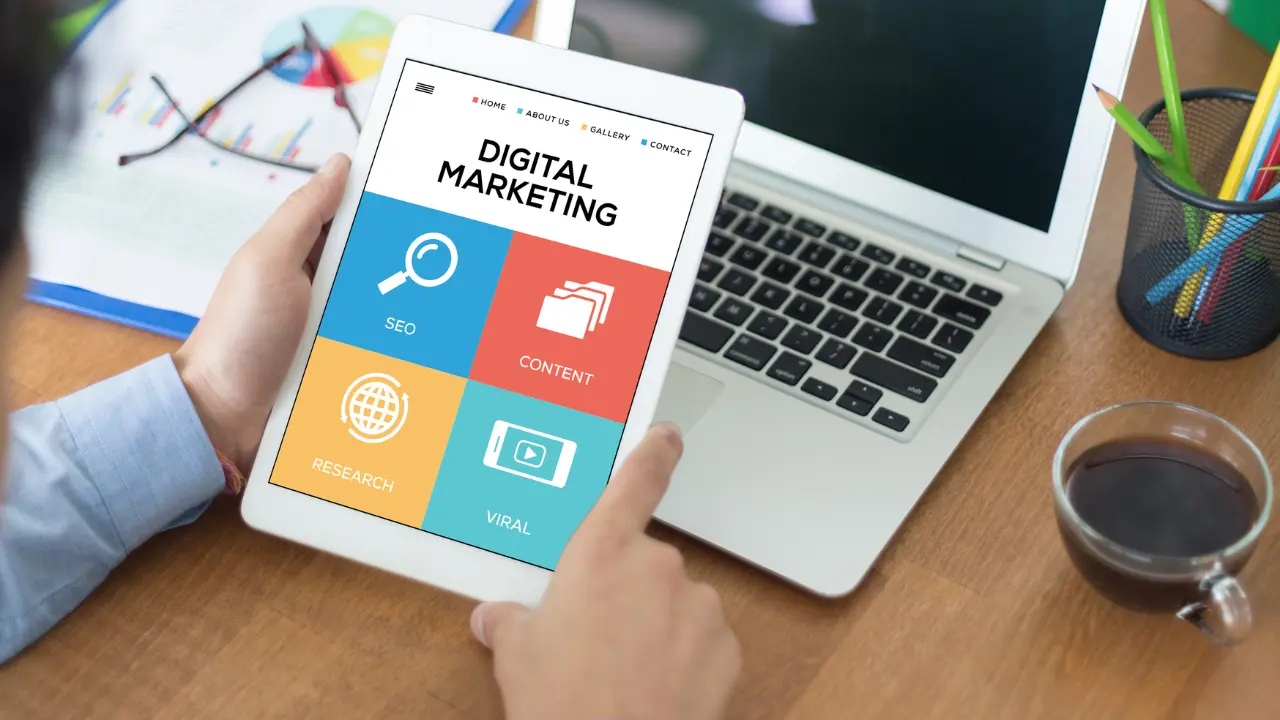
Credit: www.reliablesoft.net
Common Challenges And Solutions
Digital marketing has many challenges. These challenges can slow progress and cause frustration. Knowing common problems and their solutions helps keep efforts on track.
Understanding these issues prepares marketers to face obstacles with confidence. It also improves results over time. Below are three common challenges and ways to handle them.
Dealing With Competition
Many businesses compete for the same audience online. Standing out can be tough. Focus on unique value and clear messaging. Use targeted ads and quality content. Keep an eye on competitors’ strategies. Adapt and improve your approach regularly.
Adapting To Algorithm Changes
Search engines and social platforms change their rules often. These changes affect how content ranks and reaches users. Stay updated by following official channels and experts. Test new methods and track results. Flexibility helps keep your campaigns effective despite changes.
Managing Budget Constraints
Budgets are often limited, especially for small businesses. Prioritize marketing activities with the highest return. Use free or low-cost tools for research and analysis. Focus on organic growth through SEO and social media. Measure performance to avoid wasting money.
Frequently Asked Questions
What Is Digital Marketing And Why Is It Important?
Digital marketing uses online channels to promote products and services. It helps businesses reach a wider audience, increase sales, and build brand awareness effectively and affordably.
How Do Seo And Digital Marketing Relate?
SEO improves website visibility on search engines. It is a key digital marketing strategy that drives organic traffic and boosts online presence for better business growth.
What Are The Main Types Of Digital Marketing?
Main types include SEO, content marketing, social media, email marketing, PPC ads, and affiliate marketing. Each targets audiences differently to maximize engagement and conversions.
How Can Small Businesses Benefit From Digital Marketing?
Small businesses gain cost-effective advertising, targeted reach, and measurable results through digital marketing. It helps them compete with larger brands and grow their customer base efficiently.
Conclusion
Digital marketing is a key part of business growth today. It helps reach more people online. Use the right tools and strategies to connect with your audience. Keep learning and adapting to new trends. Small steps lead to big results over time.
Stay consistent and measure your progress often. Success comes from effort and smart choices. This guide gives you a solid start. Now, take action and watch your business grow.


