
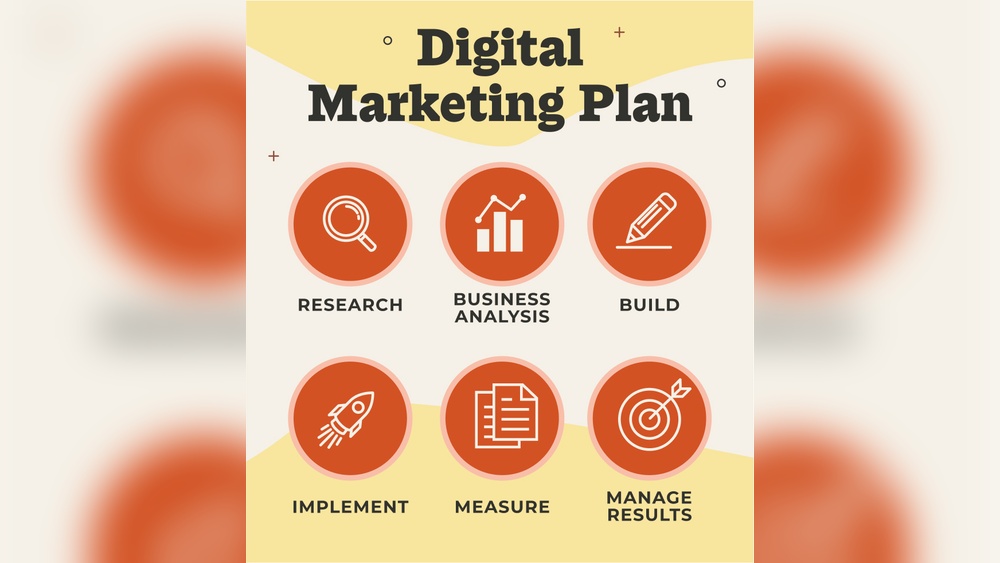
Are you ready to take your business to the next level? Understanding digital marketing is the key to reaching more customers and growing your brand.
This guide will break down everything you need to know, step by step. You’ll discover simple strategies that work, avoid common mistakes, and learn how to make your marketing efforts pay off. By the end, you’ll feel confident and ready to boost your business like never before.
Keep reading—your success starts here.
Credit: rboa.com
Digital Marketing Basics
Digital marketing basics help business owners reach customers online. It involves using the internet and digital tools. These tools promote products and services efficiently. Learning the basics makes marketing clear and manageable. Start small and grow your digital presence over time.
Key Channels To Explore
Social media platforms connect businesses with people worldwide. Facebook, Instagram, and LinkedIn offer different audiences. Email marketing sends direct messages to interested customers. Search engine optimization (SEO) helps websites appear in search results. Pay-per-click ads show your business to potential buyers quickly. Each channel has unique benefits to fit your goals.
Essential Tools For Beginners
Google Analytics tracks website visitors and their actions. It shows what works and what needs change. Canva helps create simple, attractive images for posts and ads. Mailchimp manages email campaigns and subscriber lists. Hootsuite schedules social media posts in advance. These tools save time and improve marketing results. Start with free versions before moving to paid plans.
Crafting Your Strategy
Crafting your digital marketing strategy is the first step to success. It gives your business a clear path to follow. A good strategy helps you focus on what matters most. This way, you can use your time and money wisely.
Every business is different. Your plan should fit your needs and goals. Think about what you want to achieve. Who you want to reach. And how much you can spend. These details shape a strong strategy.
Setting Clear Goals
Start by deciding what your business needs. Do you want more website visitors? Or more sales? Maybe you want to grow your email list. Clear goals help you measure success. Write your goals down. Make them specific and easy to track.
Identifying Your Target Audience
Know who your customers are. What age are they? Where do they live? What do they like? Understanding your audience helps you create messages that connect. Use tools like surveys or social media insights. This information guides your marketing efforts.
Budget Planning Tips
Set a budget that fits your business size. Start small and increase when you see results. Divide your budget by channels like ads, content, and tools. Keep track of every expense. This helps avoid overspending and keeps you focused.
Content Marketing Tactics
Content marketing is key for business owners to attract and keep customers. It helps build trust and shows your expertise. Good content can bring visitors to your site and turn them into buyers. Below are some simple tactics to create content that works well.
Creating Engaging Content
Start with topics that your audience cares about. Use clear and simple words. Tell stories or share helpful tips. Ask questions to make readers think. Use short sentences and easy examples. Keep content useful and to the point. Images and headings break up text and hold attention.
Utilizing Blogs And Videos
Blogs help explain your products or services in detail. Write regularly to keep your audience interested. Videos show how things work or tell a story fast. Use videos on your website and social media. Both blogs and videos help your site rank better in search results.
Repurposing Content Effectively
Turn blog posts into short social media posts. Change videos into written guides or infographics. Use old content with new facts or updates. This saves time and reaches more people. Repurposed content keeps your message fresh and useful.
Credit: sachsmarketinggroup.com
Social Media Impact
Social media has changed how businesses connect with customers. It offers a powerful way to share your brand story and reach many people. Using social media well can boost your business’s visibility and trust. Understanding its impact helps you use it wisely to grow your business.
Choosing The Right Platforms
Not all social media sites fit every business. Pick platforms where your customers spend time. For example, Instagram works well for visual brands. LinkedIn suits professional services. Focus on a few platforms to manage well and stay active.
Building Community Engagement
Engage with your followers by sharing useful content. Ask questions and reply to comments quickly. This creates trust and builds loyal customers. Show your brand’s personality to make connections stronger. Regular interaction keeps your audience interested and involved.
Using Paid Advertising
Paid ads help reach more people fast. You can target ads by location, age, and interests. This ensures your message reaches the right audience. Set a budget that fits your business goals. Track ad results to improve future campaigns and save money.
Search Engine Optimization
Search Engine Optimization (SEO) helps businesses appear higher in search results. It improves website traffic and attracts potential customers. SEO involves strategies that make your site more visible on Google and other search engines. Understanding SEO basics can help any business owner grow online.
Improving Website Visibility
Website visibility means how easy it is for people to find your site online. Search engines use algorithms to rank websites. Good SEO helps your site rank higher. This leads to more visitors and better chances of sales. Simple steps like fast loading pages and mobile-friendly design boost visibility. Content that answers users’ questions also helps search engines notice your site.
Keyword Research Basics
Keywords are the words people type in search engines. Finding the right keywords is key to SEO success. Use tools to discover popular words related to your business. Choose keywords with good search volume but low competition. Place these keywords naturally in your titles, headers, and content. Avoid keyword stuffing. Focus on words your customers use to find products or services.
On-page And Off-page Seo
On-page SEO means optimizing parts of your website. This includes titles, meta descriptions, and images. Clear, simple content with keywords improves on-page SEO. Off-page SEO involves actions outside your website. Building links from other trusted sites increases your site’s authority. Social media sharing and online reviews also help. Both on-page and off-page SEO work together to boost search rankings.
Email Marketing Tips
Email marketing remains a strong tool for business owners. It builds trust and keeps customers informed. This section shares tips to improve your email marketing efforts. Simple strategies can lead to better engagement and more sales.
Growing Your Subscriber List
Start by adding sign-up forms on your website. Make them easy to find and use. Offer a small freebie, like a discount or guide, for signing up. Collect emails at events or in-store visits. Always ask permission before adding emails to your list.
Crafting Compelling Campaigns
Write clear and short subject lines. They should invite readers to open the email. Use simple language and focus on one main message. Include a call to action that tells readers what to do next. Use images that support your message but don’t slow down loading.
Automation And Personalization
Set up automatic emails for welcome messages and reminders. Personalize emails with the recipient’s name and past purchases. Send emails based on user behavior, like cart abandonment. Automation saves time and keeps your audience engaged. Personal touches make readers feel valued.
Analyzing Performance
Analyzing performance is a vital step in digital marketing. It helps business owners see what works and what doesn’t. You can improve your campaigns by checking their results. This section explains how to track key metrics, use analytics tools, and adjust strategies based on data.
Tracking Key Metrics
Start by choosing the right metrics to track. Metrics like website traffic, conversion rate, and click-through rate show how well your marketing performs. Focus on numbers that match your business goals. Tracking these metrics regularly helps spot trends and issues early. This way, you know which parts of your campaign need change.
Using Analytics Tools
Analytics tools collect and display your marketing data clearly. Google Analytics is a popular choice. It shows where visitors come from and what they do on your site. Other tools track social media engagement and email campaign success. Using these tools saves time and provides accurate insights. They make it easier to understand your audience’s behavior.
Adjusting Strategies Based On Data
Data guides your marketing decisions. If a campaign performs poorly, use data to find the cause. Change your ads, content, or targeting to improve results. Testing small changes helps find the best approach. Keep monitoring performance after adjustments. This cycle of testing and improving keeps your marketing effective and efficient.
Credit: www.businessexpertpress.com
Common Challenges
Digital marketing offers great chances for business growth. Yet, many owners face common challenges. These issues can slow progress and cause frustration. Understanding these challenges helps businesses prepare better. This section explores key hurdles and ways to handle them.
Overcoming Limited Resources
Many small businesses work with tight budgets. They may lack staff or technology. Prioritizing tasks is essential. Focus on marketing efforts that bring the best results. Use free or low-cost tools for social media and email marketing. Outsource tasks only if it fits the budget.
Staying Updated With Trends
Digital marketing changes fast. New tools and strategies appear often. Business owners struggle to keep up. Following trusted blogs and experts helps. Join online groups or forums for fresh ideas. Test new tactics on a small scale before full use.
Managing Customer Expectations
Customers expect quick answers and helpful service. Meeting these demands can be tough. Set clear communication rules. Use automated replies for common questions. Always respond politely and quickly. Honest and clear messages build trust and loyalty.
Frequently Asked Questions
What Is Digital Marketing And Why Is It Important?
Digital marketing uses online channels to promote products or services. It helps businesses reach a wider audience, increase sales, and build brand awareness effectively.
How Can Business Owners Start With Digital Marketing?
Start by defining goals, understanding your audience, and choosing the right platforms. Create quality content and use analytics to improve strategies continuously.
Which Digital Marketing Channels Are Best For Small Businesses?
Social media, email marketing, and SEO are ideal for small businesses. They are cost-effective, easy to manage, and help build customer relationships.
How Does Seo Improve Online Business Visibility?
SEO optimizes your website to rank higher on search engines. This increases organic traffic, attracts potential customers, and boosts credibility.
Conclusion
Digital marketing helps businesses reach more customers online. Start small and focus on key strategies like social media and email. Track your results and adjust your plans often. Consistency and patience bring better results over time. Use simple tools and learn from your audience’s feedback.
Keep your goals clear and stay open to new ideas. Success in digital marketing grows step by step. Take action today and watch your business grow steadily.


