
Are you ready to take control of your online presence and grow your business? Digital marketing can feel overwhelming, but it doesn’t have to be.
This guide breaks down the essential steps you need to succeed, in simple and clear terms. By following these how-to tips, you’ll learn exactly what works and how to apply it to your own goals. Keep reading, and you’ll discover easy strategies that can boost your reach, attract more customers, and make your efforts pay off faster than you expect.
Your path to mastering digital marketing starts here.
Digital Marketing Basics
Digital marketing is the way businesses promote their products online. It helps reach more people quickly and shows products to the right audience. Understanding the basics is important for success. This section covers the key ideas, the tools used, and common words you will find.
Key Concepts
Digital marketing involves several important ideas. First, targeting means choosing the right group of people. Next, content is the message or information shared with the audience. SEO, or Search Engine Optimization, helps websites appear in search results. Paid ads allow businesses to pay for more visibility. Analytics track how well campaigns perform. Each concept plays a role in reaching goals.
Essential Tools
Several tools help with digital marketing tasks. Google Analytics shows website traffic and user behavior. Email marketing platforms send messages to many users. Social media tools schedule posts and manage accounts. SEO tools check website health and keywords. Ad platforms like Google Ads create and manage paid ads. Using these tools makes work easier and more effective.
Common Terms
Some words appear often in digital marketing. CPC means Cost Per Click, the price for each ad click. CTR is Click-Through Rate, showing how many people click an ad. Bounce Rate measures visitors who leave quickly. Keywords are words people type in search engines. Conversion is when a visitor completes a goal, like buying or signing up. Knowing these terms helps understand marketing reports and plans.
Building A Strategy
Building a digital marketing strategy is the first step to online success. It helps you focus your efforts and resources. A clear strategy guides every action you take. It makes your campaigns more effective and easier to manage.
Start by understanding what you want to achieve. Then, learn who you want to reach. Finally, pick the best channels to connect with your audience. Each part is important and works together.
Setting Clear Goals
Goals give your strategy direction. They tell you what success looks like. Choose specific and simple goals. Examples include increasing website visits or boosting sales. Make sure your goals are measurable. This helps track progress and make changes if needed.
Identifying Target Audience
Know who your audience is. Think about their age, location, and interests. Understand their problems and needs. This helps create messages that speak directly to them. A clear audience focus saves time and money. It makes your marketing more relevant and effective.
Choosing Channels
Select channels where your audience spends time. Popular options include social media, email, and search engines. Each channel has strengths and suits different goals. Focus on a few channels and do them well. Avoid spreading yourself too thin. Quality beats quantity in digital marketing.
Content Marketing Tactics
Content marketing tactics help businesses connect with their audience. They build trust and encourage action. Good tactics focus on creating value and sharing it widely. Measuring results guides improvements and boosts success.
Creating Engaging Content
Start with topics your audience cares about. Use clear, simple words to explain ideas. Stories and examples make content more interesting. Add images or videos to keep attention. Short paragraphs and bullet points improve reading.
Content Distribution
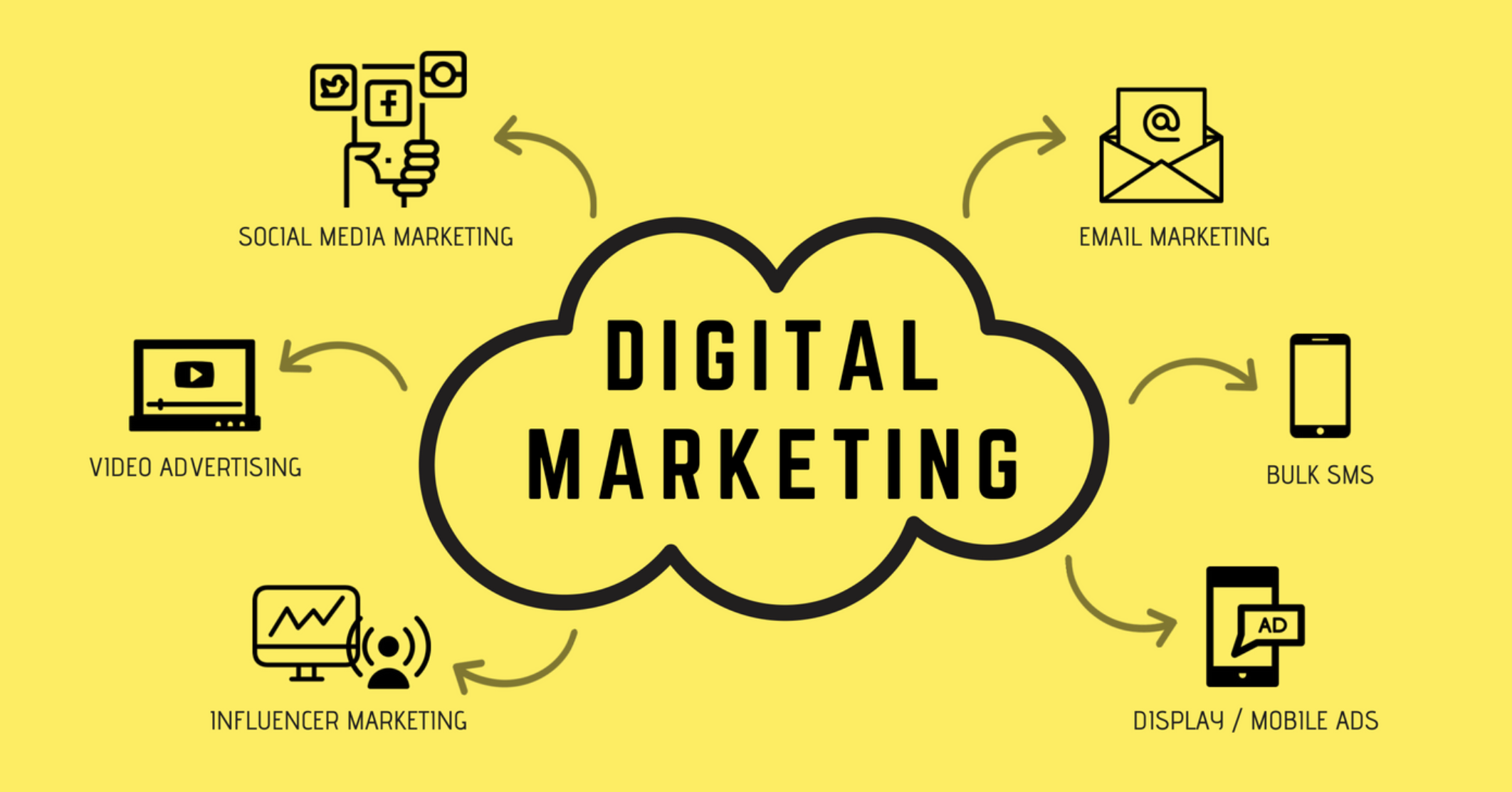
Share content on social media platforms where your audience is active. Use email newsletters to reach subscribers directly. Post on your website to improve search rankings. Collaborate with influencers or partners for wider reach. Regular posting keeps your brand visible.
Measuring Performance
Track views, clicks, and shares to see what works. Use tools like Google Analytics for detailed data. Check how long visitors stay on pages. Look at conversion rates to gauge success. Use results to adjust your strategy and improve.
Credit: www.springboard.com
Social Media Techniques
Social media is a powerful tool for digital marketing. It helps brands reach many people fast. Using the right social media techniques can improve your results. Focus on the best platforms, growing followers, and boosting engagement.
Platform Selection
Choose social media platforms that fit your audience. Different platforms attract different groups of people. For example, Instagram is good for young users. LinkedIn works well for professionals. Pick platforms where your potential customers spend time. Avoid spreading yourself too thin across many sites.
Growing Followers
Post content that interests your audience regularly. Use clear and simple messages. Respond quickly to comments and messages. Follow people who fit your target market. Encourage followers to share your posts. Consistency helps build a loyal follower base over time.
Boosting Engagement
Ask questions to start conversations. Use images and videos to catch attention. Run contests or polls to involve followers. Reply to comments to show you care. Share user-generated content to build trust. Engagement makes your audience feel connected to your brand.
Email Marketing Tips
Email marketing remains one of the most effective ways to connect with customers. It helps build trust and encourages repeat visits. Good email strategies improve open rates and boost sales. Follow these simple tips to enhance your email marketing efforts and get better results.
Building Subscriber Lists
Start by collecting emails from people interested in your products. Use signup forms on your website and social media. Offer something useful like a free guide or discount. Always ask permission before adding anyone to your list. Keep your list clean by removing inactive subscribers regularly.
Crafting Effective Campaigns
Write clear and short subject lines to grab attention. Personalize emails by using the subscriber’s name. Use simple language and focus on one main message. Include a clear call to action, such as “Buy Now” or “Learn More.” Add images to make your emails visually appealing.
Automation Best Practices
Set up automatic emails to save time and stay consistent. Welcome new subscribers with a friendly introduction email. Use automated sequences to nurture leads and encourage purchases. Test your emails before sending to avoid mistakes. Monitor results and adjust automation for better performance.

Credit: www.eosfirst.com
Search Engine Optimization
Search Engine Optimization (SEO) helps websites rank higher on search engines like Google. It drives more visitors to your site by improving visibility. SEO involves many steps that work together to boost your online presence. Understanding the basics can make your digital marketing efforts more effective.
Keyword Research
Keyword research finds the words people type in search engines. Choose keywords related to your business and audience. Use tools to see how often people search these terms. Pick keywords with good search volume and low competition. This helps your site attract the right visitors.
On-page Seo
On-page SEO improves elements on your website pages. Include keywords in titles, headings, and content naturally. Write clear and useful descriptions for each page. Use short URLs that describe the page topic. Optimize images by adding alt text with keywords. Fast loading pages and mobile-friendly design are crucial too.
Link Building
Link building means getting other websites to link to yours. Quality links boost your site’s trust and ranking. Reach out to relevant sites for guest posts or partnerships. Create helpful content others want to share. Avoid spammy links from low-quality sites. Focus on building real relationships online.
Pay-per-click Advertising
Pay-Per-Click (PPC) advertising is a popular way to reach new customers online. It lets businesses show ads on search engines and websites. Advertisers pay only when someone clicks their ad. This method helps control costs and target specific audiences.
Effective PPC campaigns require careful planning and ongoing adjustments. Small changes can improve results and lower costs. Learning to create, manage, and optimize PPC ads is key to success.
Creating Campaigns
Start by choosing the right platform, such as Google Ads or Bing Ads. Define your campaign goals clearly. Set your target audience by location, age, and interests. Select keywords that match what people search for. Write short, clear ads with strong calls to action. Organize your ads into groups based on themes or products.
Budget Management
Decide how much to spend daily or monthly. Set bids for keywords based on their value to your business. Monitor spending closely to avoid overspending. Adjust bids to focus on high-performing keywords. Use budget limits to control overall costs. Track return on investment to make smart budget choices.
Optimizing Ads
Test different headlines and descriptions to find what works best. Use ad extensions to provide extra information like phone numbers or links. Analyze click-through rates and conversion data regularly. Pause or remove ads that perform poorly. Refine keywords to target the most relevant searches. Keep ads relevant to your audience’s needs and interests.
Credit: www.feedough.com
Analytics And Reporting
Analytics and reporting are essential parts of digital marketing. They help you understand how your campaigns perform. By analyzing data, you can see what works and what does not. This knowledge lets you make better choices to improve your marketing efforts.
Tracking the right information helps you measure success. Reporting organizes this data so you can review it easily. Together, they provide clear insights to guide your strategy.
Tracking Metrics
Tracking metrics means measuring key numbers that show campaign performance. These include website visits, click rates, and conversions. Each metric tells a story about user behavior. Focus on metrics that match your goals. For example, if sales are the goal, track conversion rates. Keep metrics simple and clear for quick understanding.
Using Data Tools
Data tools collect and display your marketing data. Tools like Google Analytics show website traffic details. Social media platforms offer insights on post engagement. Choose tools that fit your needs and budget. Learn basic functions to get useful reports. Regularly check these tools to stay updated.
Improving Results
Use your data to find strengths and weaknesses. Adjust your ads or content based on what the data shows. Test small changes to see their impact. Repeat this process to keep improving. Data-driven decisions lead to better marketing results.
Common Mistakes To Avoid
Many beginners face common errors in digital marketing. These mistakes can slow progress and waste resources. Avoiding them helps create better campaigns and stronger connections with your audience.
Overlooking Audience Needs
Understanding your audience is key. Ignoring their preferences leads to weak messages. Tailor content to solve their problems and meet their interests. Engage with your audience by listening and adapting your approach.
Ignoring Data Insights
Data shows what works and what does not. Skipping this step causes repeated errors. Track your campaigns and study results carefully. Use this information to improve your strategies continuously.
Neglecting Mobile Users
Most people use phones to browse online. Websites and ads must work well on small screens. Neglecting mobile users loses many potential customers. Always check your digital content on different devices for best results.
Tips For Quick Mastery
Digital marketing skills grow faster with clear tips and good habits. Quick mastery comes from focused learning and steady practice. Small, smart steps build strong knowledge over time.
Learning Resources
Choose easy guides and videos for quick understanding. Use trusted websites and blogs made for beginners. Books with simple language also help build strong basics. Online courses with short lessons keep learning clear and simple.
Practical Exercises
Try small projects to use new skills right away. Create social media posts or simple ads to practice. Test different ideas and see what works best. Practice helps ideas stick and builds your confidence.
Staying Updated
Digital marketing changes fast. Follow top blogs and news to stay informed. Subscribe to newsletters for quick updates. Join groups or forums where people share new tips. Keep learning to stay ahead and improve skills.
Frequently Asked Questions
What Is Digital Marketing And Why Is It Important?
Digital marketing uses online channels to promote products and services. It helps businesses reach wider audiences, increase brand awareness, and boost sales cost-effectively. It’s essential in today’s digital world to stay competitive and connect with target customers where they spend most of their time.
How Do I Start A Digital Marketing Campaign?
Begin by defining clear goals and understanding your audience. Choose suitable channels like social media, email, or SEO. Create engaging content and set a budget. Monitor your campaign’s performance regularly and optimize based on data to improve results and maximize ROI.
What Are The Key Digital Marketing Strategies?
Effective strategies include SEO to improve search rankings, content marketing to engage audiences, social media marketing for brand visibility, email marketing for direct communication, and PPC ads for immediate traffic. Combining these approaches helps build a strong online presence and drive conversions.
How Can I Measure Digital Marketing Success?
Track metrics like website traffic, conversion rates, click-through rates, and ROI. Use tools like Google Analytics and social media insights. Regularly analyze this data to assess campaign effectiveness and make informed decisions to enhance your digital marketing efforts.
Conclusion
Digital marketing guides help you take clear steps forward. You learn how to reach more people online. Simple actions bring better results for your business. Keep practicing each method one by one. Watch your skills and confidence grow over time.
Stay patient and keep trying new ideas. Success comes from steady work and learning. Use these guides to build your online presence. Your efforts will show in better engagement and sales. Keep moving forward with the right digital marketing tools.


