

You want your digital marketing efforts to stand out and connect with your audience instantly. But without a clear style guide, your messages can end up inconsistent, confusing, or even off-brand.
Imagine having a simple, easy-to-follow playbook that keeps every piece of content, every social post, and every email perfectly aligned with your brand’s voice and look. That’s exactly what a Digital Marketing Style Guide does for you. It saves you time, boosts your brand’s trust, and makes your marketing more effective.
Ready to discover how to create one that works for your business? Keep reading, and you’ll learn the key steps to build a style guide that makes your digital marketing shine.
Credit: www.institutedata.com
Core Elements
Core elements form the foundation of any digital marketing style guide. They ensure brand consistency across all platforms. Clear rules help teams present a unified image. Each element supports the brand’s identity and message.
Logo Usage
The logo represents the brand’s face. Use it consistently to build recognition. Define clear rules for size, spacing, and placement. Avoid stretching or altering the logo colors. Provide examples of correct and incorrect logo use.
Color Palette
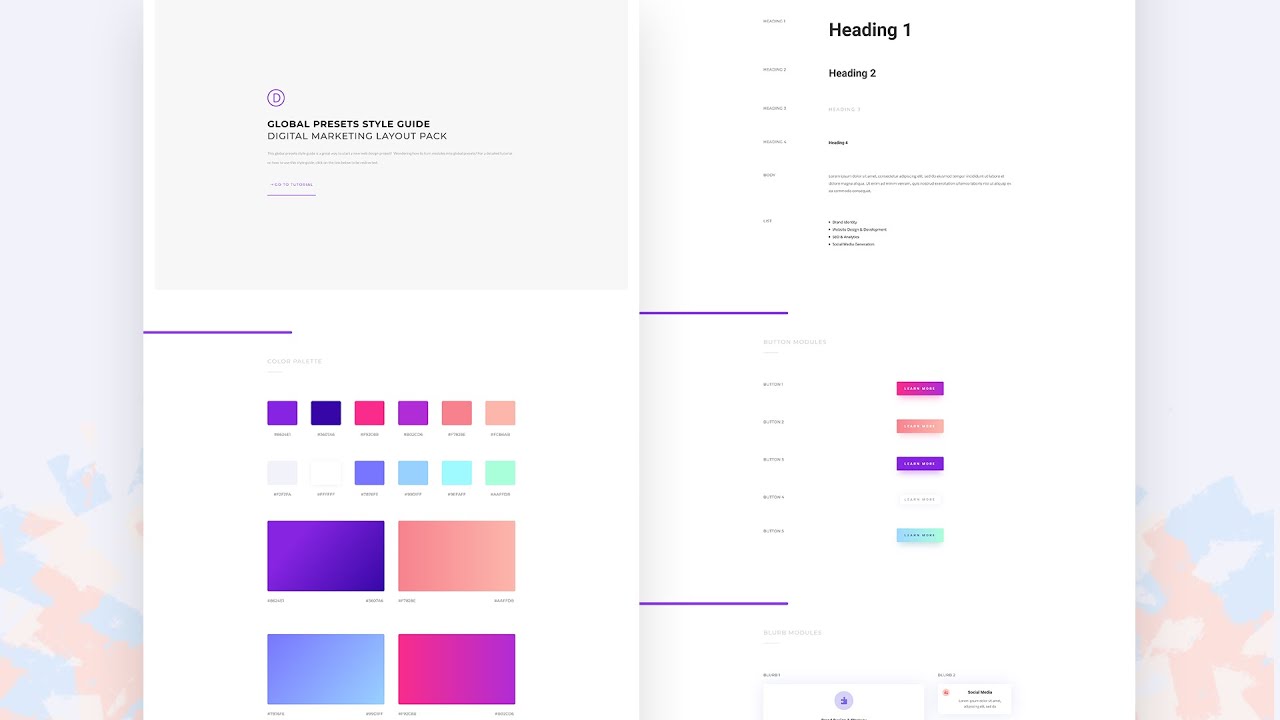
Colors evoke emotions and strengthen brand recall. Choose a limited palette that fits the brand personality. Specify primary and secondary colors with exact codes. Use colors consistently in all marketing materials. Define background, text, and accent color uses.
Typography
Typography shapes the brand’s voice visually. Select fonts that are clear and easy to read. Specify font families for headings, body text, and accents. Set rules for size, weight, and line spacing. Maintain uniform text styles across all digital channels.
Imagery Style
Images communicate the brand’s tone and style. Define the types of photos, illustrations, or icons to use. Maintain a consistent mood, color treatment, and subject matter. Avoid images that clash with brand values. Use visuals that support the message clearly.
Voice And Tone
The voice and tone in a digital marketing style guide shape how your brand speaks to its audience. Voice remains consistent across all content, reflecting the brand’s personality. Tone changes based on the message and the audience’s needs. This balance helps create clear, relatable communication.
Brand Personality
Brand personality defines the human traits of your brand. It guides the voice and tone to sound natural and consistent. For example, a friendly brand uses warm, approachable language. A professional brand stays formal and respectful. Knowing your brand’s personality helps keep all messages aligned.
Messaging Guidelines
Messaging guidelines set rules for clear and effective communication. Use simple words and short sentences for easy understanding. Avoid jargon or complex phrases that might confuse readers. Always focus on the audience’s needs and emotions. This makes your content more engaging and trustworthy.
Content Style
Content style covers the way you write and present your message. Keep sentences brief and use active voice to sound direct. Use positive language to build a good connection with readers. Break text into small paragraphs and use headings to improve readability. Consistent style improves user experience and brand recognition.
Digital Channels
Digital channels form the backbone of any modern marketing strategy. Each channel serves a unique purpose and requires specific guidelines to maintain brand consistency. Clear rules help teams communicate effectively and create a unified brand experience across platforms.
Following standards ensures your message stays clear and professional. It also builds trust and recognition among your audience. Below are key digital channels and their essential style guidelines.
Website Standards
Websites must reflect your brand’s voice and look. Use consistent fonts, colors, and logos throughout all pages. Keep navigation simple and user-friendly. Write clear headlines and short paragraphs for easy reading. Optimize images to load quickly without losing quality. Ensure all links work and direct users to relevant pages. Mobile responsiveness is critical. Test your site on multiple devices and browsers regularly. Accessibility matters; include alt text for images and proper contrast for text.
Social Media Rules
Social media posts should match your brand tone and style. Use friendly and clear language. Keep posts brief and engaging. Post regularly but avoid spamming followers. Use approved hashtags and avoid slang or jargon. Always respond politely to comments and messages. Share content that adds value or entertains your audience. Use consistent profile pictures and cover images. Follow platform-specific guidelines for image sizes and video formats.
Email Marketing
Emails must be clear and concise. Use a consistent sender name and email address. Write subject lines that catch attention but stay honest. Structure emails with a clear hierarchy: headline, body, and call to action. Personalize emails when possible. Avoid large images or attachments that slow loading. Include an easy way to unsubscribe. Test emails on different devices and email clients. Check for spelling and grammar errors before sending.
Paid Advertising
Paid ads need to align with brand visuals and messages. Use clear, compelling headlines and calls to action. Keep copy short and focused on benefits. Use high-quality images or videos that match your brand style. Target ads carefully to reach the right audience. Monitor ad performance and adjust as needed. Follow platform rules to avoid disapproval. Ensure landing pages match the ad content for a smooth user experience.
Credit: www.youtube.com
Consistency Tips
Maintaining consistency is key in digital marketing. It builds trust and strengthens your brand identity. Consistency tips help keep your message clear and unified. Follow these strategies to ensure your digital marketing stays cohesive across all channels.
Cross-platform Uniformity
Use the same colors, fonts, and logos on every platform. This uniformity makes your brand instantly recognizable. Tailor content to fit each platform’s style, but keep core elements steady. Avoid mixing tones or designs that confuse your audience.
Template Usage
Create templates for emails, social posts, and ads. Templates save time and keep design consistent. They ensure every piece reflects your brand’s voice and look. Update templates regularly to stay current with your style guide.
Review And Approval
Set up a review process for all marketing materials. This step catches errors and maintains brand standards. Assign a team or person to approve content before publishing. Consistent review prevents off-brand messages from reaching your audience.
Tools And Resources
Creating a digital marketing style guide needs the right tools and resources. These help keep your brand consistent across all channels. Using proper tools makes the process easier and more efficient. It also supports teamwork and clear communication.
Style Guide Software
Style guide software helps create and manage brand rules. These tools store fonts, colors, logos, and tone guidelines in one place. Teams access the guide anytime, keeping marketing materials uniform. Popular options include Frontify, Brandfolder, and Bynder. These platforms offer easy editing and sharing features. They reduce errors and speed up content creation.
Template Libraries
Template libraries provide ready-made designs for marketing content. Templates save time by offering structured layouts for emails, ads, and social posts. They ensure brand elements appear correctly in every piece. Many tools like Canva and Adobe Spark offer large template collections. Templates help non-designers create polished, branded materials quickly. They also maintain visual consistency across campaigns.
Collaboration Platforms
Collaboration platforms support teamwork on style guides and marketing projects. Tools like Slack, Microsoft Teams, and Google Workspace allow real-time communication and file sharing. Teams discuss updates, give feedback, and track changes efficiently. These platforms keep everyone aligned on brand standards. They reduce misunderstandings and improve productivity. Collaboration tools help build a stronger, unified brand voice.
Common Mistakes
Common mistakes in digital marketing style guides can weaken your brand’s impact. Avoiding these errors keeps your marketing clear and consistent. Here are three frequent pitfalls to watch out for.
Brand Misuse
Using logos, colors, or fonts incorrectly harms brand recognition. Incorrect logo sizes or colors confuse your audience. Always follow exact brand specifications to maintain trust.
Inconsistent Messaging
Messages that change tone or style create confusion. Your brand voice must stay steady across platforms. Consistency helps build a strong connection with your audience.
Overcomplicating Guidelines
Too many rules make the guide hard to follow. Complex instructions discourage team members from using it. Keep your style guide simple and clear for easy use.
Measuring Success
Measuring success is key to improving any digital marketing strategy. It shows which efforts work and which need change. Clear metrics help track progress and keep your brand consistent.
Brand Recognition Metrics
Brand recognition measures how well people identify your brand. Track mentions on social media and search engines. Monitor direct website visits and branded keyword searches. These show how many people know and remember your brand.
Engagement Tracking
Engagement shows how audiences interact with your content. Look at likes, shares, and comments on posts. Measure time spent on pages and click-through rates. These numbers reveal how interested and active your audience is.
Feedback Loops
Feedback loops gather opinions from customers and users. Use surveys, reviews, and polls to collect responses. Analyze this data to find strengths and weaknesses. Regular feedback helps improve your marketing efforts over time.
Credit: www.template.net
Frequently Asked Questions
What Is A Digital Marketing Style Guide?
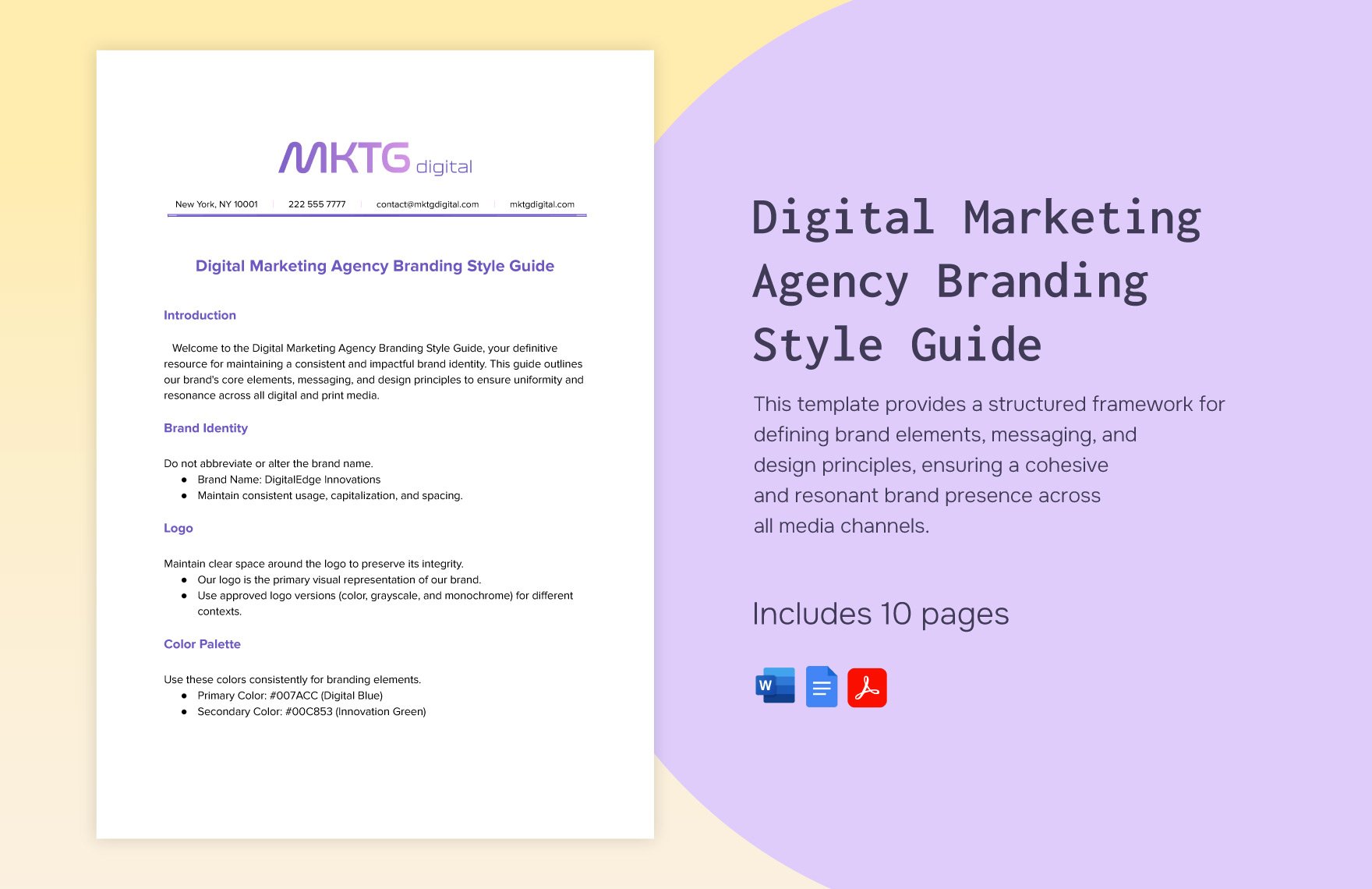
A Digital Marketing Style Guide is a set of rules for consistent branding. It ensures all marketing materials align in tone, design, and messaging. This consistency builds trust and recognition with your audience across digital platforms.
Why Is Consistency Important In Digital Marketing?
Consistency creates a unified brand experience, improving customer trust and recall. It helps your audience easily recognize your brand, boosting engagement and loyalty. A style guide enforces this consistency across all digital content.
What Key Elements Should A Style Guide Include?
A style guide should cover logo usage, color palettes, typography, tone of voice, and imagery guidelines. It may also include social media rules and content formatting standards. These elements keep your brand presentation cohesive.
How Does A Style Guide Improve Team Collaboration?
It provides clear instructions to marketers, designers, and writers, reducing confusion. Everyone follows the same standards, ensuring faster approvals and fewer revisions. This streamlines workflows and improves project efficiency.
Conclusion
A clear digital marketing style guide keeps your brand consistent and strong. It helps teams communicate clearly and avoid mistakes. Use simple rules for colors, fonts, and tone to create a unified message. Regular updates keep the guide relevant and effective.
A well-made style guide supports your marketing success every step of the way.


