
Are you ready to unlock the power of digital marketing but don’t know where to start? You’re in the right place.
This guide is made just for you—simple, clear, and easy to follow. Imagine reaching more customers, growing your business, and standing out online without feeling overwhelmed. By the end of this article, you’ll have practical steps you can use right away.
Let’s dive in and make digital marketing work for you.
Basics Of Digital Marketing
Digital marketing is the way businesses promote products online. It uses the internet and digital tools to reach customers. Understanding the basics helps anyone start with online marketing. This section explains key ideas and different types of digital marketing.
Key Concepts To Know
Digital marketing involves several important ideas. First, there is SEO, which means making websites easy to find on search engines like Google. Next is content marketing, creating useful articles or videos to attract visitors. Pay-per-click or PPC means paying for ads that appear when people search. Email marketing sends messages directly to customers’ inboxes. Lastly, social media marketing uses platforms like Facebook or Instagram to connect with people.
Types Of Digital Marketing
Several types exist to suit different goals. Search Engine Optimization (SEO) helps websites rank higher in search results. Social Media Marketing builds brand awareness through posts and ads on social networks. Email Marketing keeps customers updated with offers and news. Content Marketing provides valuable information to attract and keep visitors. Pay-Per-Click Advertising (PPC) drives traffic fast by paying for ads shown to target audiences.

Credit: fivechannels.com
Setting Clear Goals
Setting clear goals is the first step in any digital marketing plan. Goals give direction and focus. They help you decide what actions to take. Without clear goals, efforts can become scattered and less effective. Clear goals also make it easier to measure progress and success.
Identifying Your Target Audience
Knowing your target audience is key to setting clear goals. Think about who needs your product or service. Consider their age, location, interests, and habits. This helps tailor your marketing messages. It also ensures your efforts reach the right people. Defining your audience avoids wasting resources on uninterested groups.
Measuring Success Metrics
Success metrics show if your goals are met. Common metrics include website traffic, sales, and engagement rates. Choose metrics that match your goals. Track them regularly to see progress. Use tools like Google Analytics for accurate data. Measuring success helps you adjust strategies for better results.
Building A Strong Online Presence
Building a strong online presence is key to digital marketing success. It helps people find your business easily. A clear and simple website shows your brand well. It builds trust and encourages visitors to take action. A strong presence grows your audience and sales steadily.
Creating A Website That Converts
Your website must be easy to use. Clear menus and simple pages help visitors explore. Use strong headlines that explain your offer quickly. Add calls to action that tell visitors what to do next. Use images that match your message and attract attention. Keep the design clean with enough white space. Fast loading speed keeps visitors from leaving.
Optimizing For Mobile Users
Many people use phones to browse online. Your website must look good on small screens. Text should be large enough to read easily. Buttons must be big enough to tap without mistakes. Avoid clutter and complex layouts on mobile. Test your site on different devices often. A mobile-friendly site keeps visitors longer and improves search rankings.
Content Marketing Made Simple
Content marketing is an important part of digital marketing. It helps businesses share useful information with people. This builds trust and brings more visitors to websites. Simple content marketing means creating helpful and interesting material. This material connects with the audience and keeps them coming back.
Good content can be in many forms. It can teach, entertain, or solve problems. The goal is to make the audience want to read or watch more. This guide will explain easy ways to create and use content effectively.
Crafting Engaging Content
Start by knowing who you want to reach. Think about their needs and questions. Write in a clear and friendly way. Use short sentences and simple words. Stories and examples help make ideas easy to understand. Add useful tips that people can apply right away.
Use headlines to grab attention. Break text into small paragraphs. Use lists to organize information. Pictures and graphics can make content more interesting. Always check for errors and keep the tone positive.
Using Blogs And Videos Effectively
Blogs are great for sharing detailed information. Post regularly to keep your audience interested. Use keywords naturally to help people find your posts online. Answer common questions and solve problems in your blogs.
Videos catch attention quickly. They work well on social media and websites. Keep videos short and focused on one topic. Use captions for those who watch without sound. Show how to use products or explain ideas clearly. Combining blogs and videos can reach more people and make your message stronger.
Mastering Social Media
Social media is a powerful tool for any digital marketing plan. It helps you connect with people and share your message. Learning how to use social media well can grow your brand and increase your reach. The key is to focus on the right platforms and keep a steady flow of posts.
Choosing The Right Platforms
Not all social media sites are the same. Each platform has its own audience and style. Pick the platforms where your customers spend most of their time. For example, use Instagram for images and stories. Use LinkedIn for professional content and networking. Spend time on platforms that fit your brand and goals. Avoid spreading yourself too thin across too many sites.
Scheduling And Consistency Tips
Posting often keeps your audience interested. Create a simple schedule for your posts. Plan your content ahead to avoid last-minute stress. Use tools like social media schedulers to save time. Keep your posting times regular to build trust. Consistency helps your followers know when to expect new content. It also improves your chances of being seen by more people.
Search Engine Optimization (seo)
Search Engine Optimization, or SEO, helps websites appear higher in search results. It makes your site easier to find for people using Google and other search engines. SEO involves many small steps that work together. These steps improve your site’s visibility and attract more visitors. Understanding the basics of SEO can help your site grow and reach a wider audience.
On-page Seo Basics
On-page SEO means improving parts of your own website. This includes using the right words in titles and text. It helps search engines understand what your page is about. Use clear headings and short sentences. Add keywords naturally in your content. Make sure your website loads fast and works well on phones. Good on-page SEO makes your site friendly for both users and search engines.
Off-page Seo Strategies
Off-page SEO focuses on actions outside your website. It builds your site’s reputation and trust. One main method is getting links from other sites. These links act like votes showing your site is useful. Share your content on social media and forums. Engage with others in your niche to gain attention. Strong off-page SEO helps your site rank higher in search results.
Email Marketing Essentials
Email marketing is a powerful tool to connect with your audience directly. It allows businesses to share news, offers, and updates right in the inbox. This method helps build trust and keeps customers informed about products or services. Understanding the basics can improve your results and grow your business.
Building A Subscriber List
A strong subscriber list is the foundation of email marketing. Start by asking website visitors to sign up for newsletters. Use simple forms with clear benefits. Offer something valuable like a discount or a free guide to encourage sign-ups. Always ask for permission to send emails. Quality matters more than quantity. Keep your list clean by removing inactive subscribers regularly.
Creating Effective Campaigns
Effective email campaigns grab attention quickly. Write clear and short subject lines that spark interest. Personalize emails by using the recipient’s name. Use images and buttons to make emails easy to read and act on. Include one main call to action per email. Test different sending times to find what works best. Track results to improve future emails.
Paid Advertising Tactics
Paid advertising is a key part of digital marketing. It helps businesses reach more people fast. This method uses online ads to attract customers and increase sales. Understanding how paid ads work is important for success. Let’s explore some basic tactics to get started.
Understanding Ppc
PPC stands for Pay-Per-Click. It means you pay only when someone clicks your ad. Ads appear on search engines or social media platforms. You choose keywords related to your business. When users search those words, your ad may show up.
This method drives traffic quickly. It targets specific groups of people. You can control who sees your ad by choosing location, age, and interests. PPC gives clear results. You know exactly how many clicked your ad and visited your site.
Budgeting For Ads
Set a clear budget before starting paid ads. Decide how much money you want to spend daily or monthly. Small budgets work well for beginners. You can increase spending as you learn what works best.
Track your ad costs and results closely. Stop ads that cost too much without good results. Focus money on ads that bring more visitors or sales. Budgeting helps avoid overspending and makes ads more effective.
Analyzing And Improving
Analyzing and improving are key steps in digital marketing. They help you understand what works and what does not. Without analysis, you cannot grow or fix problems. Improvement comes from learning through data. This process makes your marketing efforts smarter and more effective.
Using Analytics Tools
Analytics tools collect data from your website and campaigns. They show how many people visit and what they do. You can see which pages are popular and where visitors leave. Tools like Google Analytics are free and easy to use. They help track clicks, traffic sources, and user behavior. This information guides your decisions and saves time.
Adjusting Strategies For Better Results
After studying the data, change your strategies to improve results. Focus more on what brings traffic and sales. Drop or fix parts that do not perform well. Test different headlines, images, and calls to action. Small changes can make a big difference. Keep testing and adjusting often for steady growth.

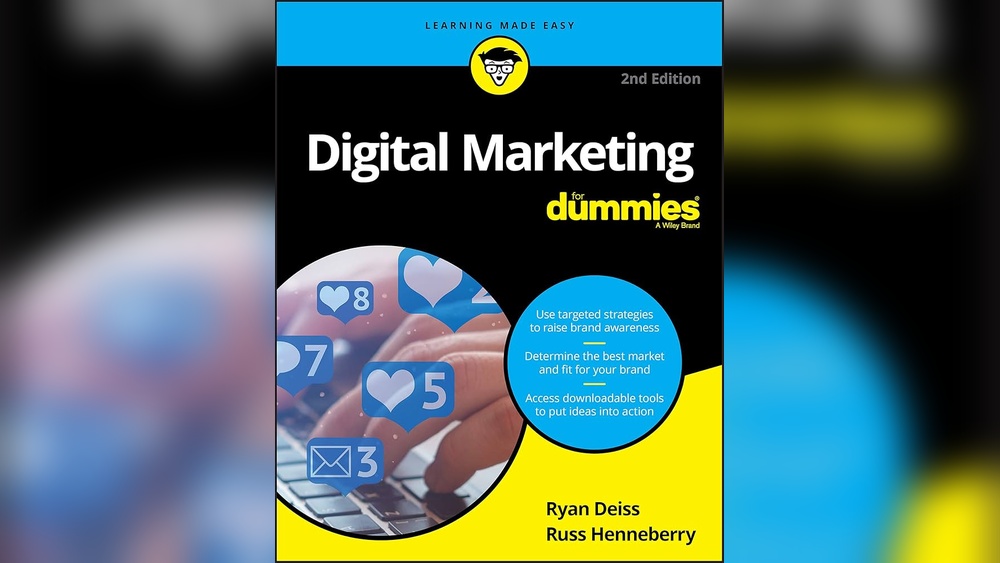
Credit: www.amazon.com

Credit: fivechannels.com
Frequently Asked Questions
What Is Digital Marketing And Why Is It Important?
Digital marketing is promoting products or services online using channels like SEO, social media, and email. It helps businesses reach a wider audience, increase brand awareness, and drive sales efficiently compared to traditional marketing methods.
How Does Seo Improve Digital Marketing Results?
SEO optimizes website content to rank higher on search engines. This increases organic traffic, boosts visibility, and attracts potential customers actively searching for relevant products or services, enhancing overall marketing success.
What Are The Key Digital Marketing Channels Beginners Should Know?
Beginners should focus on SEO, social media marketing, email marketing, and pay-per-click advertising. These channels offer cost-effective ways to engage audiences, build brand loyalty, and generate leads quickly.
How Can Social Media Boost My Digital Marketing Efforts?
Social media platforms help businesses connect with their audience directly. It increases engagement, builds brand trust, and drives traffic to your website, making it a powerful tool for digital marketing growth.
Conclusion
Digital marketing can seem hard at first. Start with small steps and learn as you go. Focus on creating helpful content and connecting with your audience. Use tools like social media and email to share your message. Track your results to see what works best.
Keep trying new ideas and improve your skills over time. This guide gives you a simple way to begin. Stay patient and consistent. Success takes time, but it is possible. Your digital journey is just starting. Keep moving forward.


