
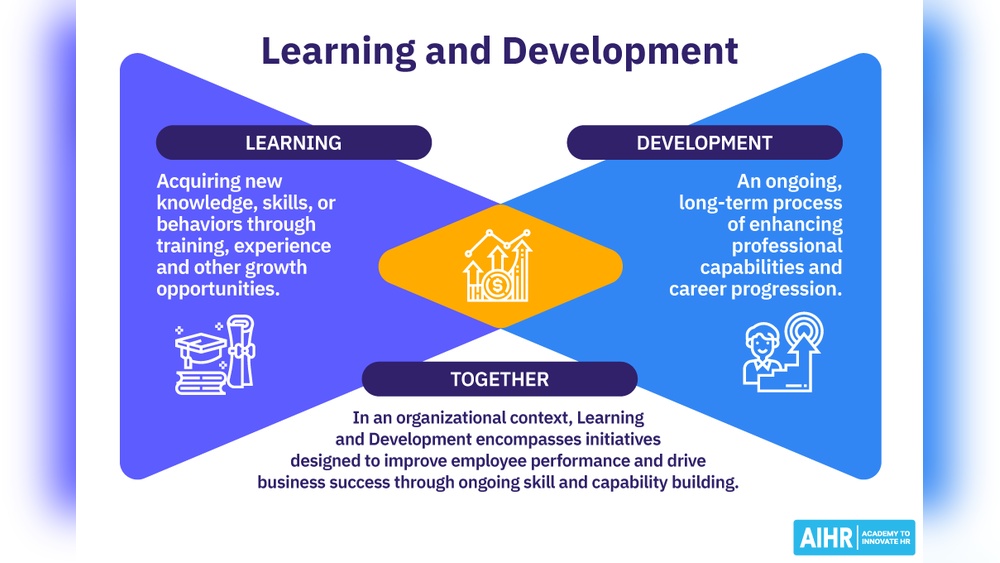
Are you looking to boost your digital marketing agency’s performance and keep your team ahead of the competition? Training and development hold the key to unlocking your agency’s full potential.
Imagine your team mastering the latest tools, strategies, and trends—delivering better results for your clients every time. This guide will show you exactly how to create effective training programs that fit your agency’s needs. Keep reading to discover practical tips that will transform your team’s skills and drive real growth for your business.
Importance Of Training In Digital Marketing
Training is a key part of success in digital marketing. The digital world changes fast. New tools, trends, and strategies appear often. Teams must keep learning to stay effective and competitive.
Without regular training, skills become outdated. Agencies may miss chances to grow clients’ businesses. Training helps teams perform better and deliver strong results.
Enhancing Skill Sets
Training improves team members’ skills. It teaches new techniques and tools. Staff learn to use software and platforms better. Improved skills mean better campaign planning and execution.
Each team member becomes more confident and capable. This leads to higher quality work and happier clients.
Adapting To Industry Changes
The digital marketing field evolves quickly. Search engines update algorithms often. Social media trends shift rapidly. Training helps teams stay current with these changes.
Teams learn how to adjust strategies fast. This keeps campaigns effective and relevant. Agencies that adapt well stay ahead of competitors.
Improving Team Performance
Training builds teamwork and communication. Team members share knowledge and skills. This creates a stronger, more united group.
Well-trained teams work faster and smarter. They solve problems easily and meet deadlines. Better performance leads to satisfied clients and business growth.
Key Training Areas For Agencies
Training and development in digital marketing agencies focus on core skills. Agencies need to keep their teams updated on key areas. These areas help improve service quality and client satisfaction.
Understanding these key training areas ensures teams work efficiently. It also helps agencies stay competitive in a fast-changing market.
Seo And Content Marketing
SEO helps websites rank higher in search results. Training should cover keyword research, on-page SEO, and link building. Content marketing teaches how to create valuable and relevant content. This content attracts and engages target audiences. Both skills are essential for driving organic traffic.
Social Media Strategies
Social media platforms offer vast opportunities for promotion. Training covers platform-specific tactics and content planning. Teams learn how to engage audiences and build brand loyalty. Understanding social media algorithms helps improve reach. Effective social media strategies boost visibility and customer interaction.
Data Analytics And Reporting
Data guides marketing decisions and measures success. Training includes tools like Google Analytics and other reporting software. Teams learn to analyze traffic, behavior, and campaign performance. Clear reporting helps show results to clients. Data skills improve strategy adjustments and return on investment.
Paid Advertising Techniques
Paid ads bring fast and targeted traffic. Training covers platforms like Google Ads and Facebook Ads. Teams learn ad creation, bidding, and budget management. Understanding audience targeting increases ad effectiveness. Paid advertising skills help agencies deliver measurable results.
Designing Effective Training Programs
Designing effective training programs is essential for digital marketing agencies. These programs help teams learn new skills and stay updated with industry trends. A well-structured program improves employee performance and boosts agency success.
Start by understanding the team’s current skills and what they need to learn. Clear goals guide the training process and make it easier to measure progress. Picking the right training formats keeps the team engaged and ensures knowledge is absorbed properly.
Assessing Skill Gaps
First, identify what skills the team has and what skills they lack. Use surveys, tests, or performance reviews to gather this information. Focus on key areas like SEO, content creation, and social media management. This step helps to target training efforts efficiently.
Setting Clear Objectives
Define specific goals for the training program. These goals should be simple and measurable. Examples include improving ad campaign skills or increasing content writing speed. Clear objectives keep the training focused and help track success.
Choosing Training Formats
Select training methods that suit your team’s needs. Options include online courses, workshops, and hands-on projects. Mix formats to keep sessions interesting. Choose formats that allow practice and real-world application.

Credit: www.aihr.com
Utilizing Technology For Learning
Technology plays a key role in training and development for digital marketing agencies. It offers many ways to learn and improve skills. Using technology makes training flexible and accessible. Employees can learn at their own pace and convenience. It also helps agencies keep up with fast changes in digital marketing trends.
Digital tools create interactive and engaging learning experiences. They allow teams to practice real-world scenarios. Tracking progress becomes easier with technology. This helps managers see skill improvements clearly. Below are some common tech options for learning in digital marketing agencies.
Online Courses And Webinars
Online courses provide structured lessons on marketing topics. They cover basics and advanced strategies. Webinars offer live sessions with experts. Employees can ask questions during webinars. These formats fit busy schedules well. They allow learning from anywhere with internet access. Many platforms offer certificates after course completion. This adds value to employee resumes.
Learning Management Systems
Learning Management Systems (LMS) organize training materials in one place. They track learner progress and test results. LMS platforms support videos, quizzes, and documents. Managers can assign courses and deadlines easily. LMS helps keep training consistent across teams. It saves time by automating reminders and reports. Agencies can customize content to fit their needs.
Interactive Tools And Simulations
Interactive tools engage learners by making training hands-on. Simulations replicate real marketing tasks and challenges. Employees practice skills in a safe environment. This builds confidence before working on actual projects. Games and quizzes make learning fun and memorable. These tools boost retention and apply knowledge quickly. Agencies benefit from better-trained and ready-to-work staff.
Fostering A Culture Of Continuous Learning
Building a culture of continuous learning helps digital marketing agencies stay ahead. It keeps teams sharp and ready for change. Learning becomes part of daily work, not just a task. This mindset helps agencies adapt fast and deliver better results.
Employees feel motivated to grow and improve. A learning culture builds teamwork and trust. It encourages sharing ideas and skills freely. Agencies that learn together build stronger connections and innovate more.
Encouraging Knowledge Sharing
Team members should share their knowledge often. Create spaces for open talks and idea exchange. Use tools like chat groups or weekly meetings. Sharing helps solve problems faster and spreads useful tips.
Everyone learns from others’ experiences. This reduces repeated mistakes and speeds up growth. Make sharing easy and part of the workflow. Celebrate those who contribute useful information.
Regular Feedback And Coaching
Feedback guides employees to improve their skills. Set up regular check-ins to discuss progress and goals. Coaching helps clarify doubts and build confidence. It creates a safe space to ask questions and learn.
Use feedback to focus on strengths and areas to grow. Keep it clear, kind, and constructive. Good coaching supports continuous learning and better job performance.
Rewarding Development Efforts
Recognize when employees improve or learn new skills. Rewards can be simple, like praise or small bonuses. This shows the agency values growth and hard work. It motivates others to keep learning too.
Celebrate milestones and achievements openly. Rewards create positive energy and encourage ongoing training. A culture that honors development attracts and keeps talent.

Credit: masterful-marketing.com
Measuring Training Impact
Measuring training impact is key for digital marketing agencies. It shows if learning efforts work well. Agencies can see what skills improve and what needs change. Clear measurement helps in making smart decisions. It keeps training useful and aligned with goals.
Tracking Performance Metrics
Track specific metrics to know training results. Look at employee productivity before and after training. Measure campaign success rates and client feedback. Use tools to gather data on task completion and error rates. Tracking helps identify strong and weak areas in skills.
Evaluating Roi
Calculate the return on investment (ROI) of training programs. Compare training costs with benefits gained from improved work. Include factors like increased sales, better client retention, and faster project delivery. A positive ROI means training adds value to the agency. This evaluation ensures resources are well spent.
Adjusting Programs For Improvement
Use measurement results to improve training programs. Change content or methods based on feedback and data. Add more practical exercises or focus on weak skills. Regular adjustments keep training relevant and effective. This process builds stronger teams and better results over time.
Challenges And Solutions In Training
Training and development in digital marketing agencies face unique challenges. These challenges affect how teams learn and grow. Knowing these obstacles helps create better training programs. Solutions must fit the busy and diverse nature of agencies.
Overcoming Time Constraints
Time is limited in fast-moving agencies. Staff juggle many tasks daily. Training must fit into tight schedules. Short, focused sessions work best. Use microlearning with quick lessons. Allow flexible timing for learning. This approach saves time and keeps learning consistent.
Addressing Diverse Learning Styles
People learn in different ways. Some prefer videos, others like reading. Hands-on practice helps many learners. Combine various formats in training materials. This mix supports all learning types. It boosts understanding and skill retention. Tailoring content helps everyone progress equally.
Maintaining Engagement
Keeping learners interested is tough. Long lectures often cause boredom. Interactive content grabs attention better. Use quizzes and group discussions. Real-life examples make lessons relatable. Reward progress to motivate learners. Engaged teams absorb knowledge faster and apply it well.
Credit: nativeexpertsblog.medium.com
Frequently Asked Questions
What Is Training And Development In Digital Marketing?
Training and development in digital marketing involve improving skills and knowledge. Agencies focus on SEO, content, analytics, social media, and paid ads. This helps teams stay updated and competitive in fast-changing digital trends.
Why Is Training Important For Digital Marketing Agencies?
Training ensures teams learn new tools and strategies. It boosts productivity, creativity, and campaign effectiveness. Well-trained staff deliver better results and adapt quickly to industry changes.
How Often Should Digital Marketing Agencies Conduct Training?
Agencies should conduct training quarterly or bi-annually. Regular sessions keep skills sharp and knowledge current. Frequent updates help teams respond to evolving digital marketing trends.
What Are Common Training Methods For Digital Marketing Teams?
Common methods include workshops, online courses, webinars, and hands-on projects. Combining theory with practice helps retain knowledge. Interactive sessions encourage collaboration and real-time problem-solving.
Conclusion
Training and development help digital marketing teams grow skills fast. Regular learning keeps agencies competitive and ready for change. Clear goals guide each training step. Hands-on practice makes learning real and useful. Encourage teamwork and sharing ideas during sessions. This builds stronger, smarter teams.
Track progress to see what works best. Invest time in training to improve results. Small, steady steps lead to big improvements. Keep learning simple and focused for best impact.


