
Are you ready to unlock the full potential of your business online? This Marketing Digital Guide is designed just for you.
Whether you’re starting from scratch or looking to sharpen your skills, you’ll find clear steps and smart strategies that work. Imagine reaching more customers, boosting your sales, and standing out from the crowd—all with simple, proven digital marketing techniques. Keep reading, and discover how to turn your ideas into real results.
Your success story begins here.
Credit: digicobweb.com
Digital Marketing Basics
Understanding digital marketing basics is essential for any business today. It helps you connect with customers online and grow your brand. These basics cover key methods and ideas that form the foundation of all marketing efforts on the web.
Digital marketing uses different tools and strategies to reach people. It focuses on promoting products or services through digital channels. Learning these basics makes your marketing clearer and more effective.
Key Channels
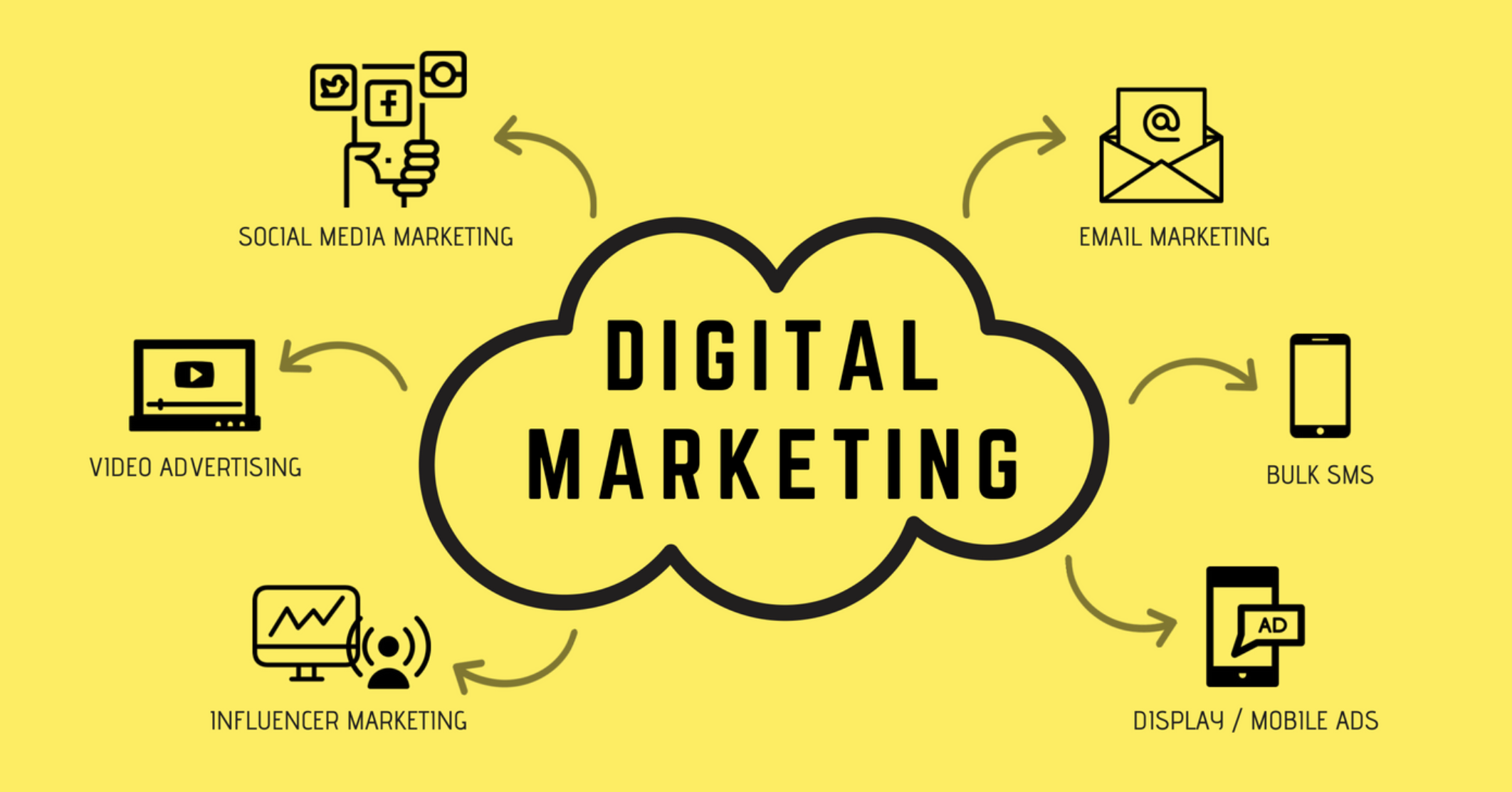
Digital marketing channels are the paths to reach customers. Common channels include social media, email, search engines, and websites. Each channel has its own way of engaging users and sharing messages.
Social media platforms like Facebook and Instagram help build communities. Email marketing sends personalized offers directly to inboxes. Search engines bring visitors through organic results or paid ads. Websites act as the main hub for all digital efforts.
Target Audience
Knowing your target audience means understanding who needs your product. It involves studying their age, interests, location, and habits. This knowledge guides your marketing messages and channel choices.
Clear audience targeting avoids wasting resources on uninterested people. It makes your campaigns more focused and cost-effective. Tailored content speaks directly to your ideal customers, increasing engagement and sales.
Marketing Funnel
The marketing funnel shows the customer journey from awareness to purchase. It has three main stages: top, middle, and bottom.
The top stage attracts new visitors using broad messages. The middle stage nurtures interest with useful information. The bottom stage encourages buying through offers and calls to action.
This funnel helps marketers design content and strategies for each step. It improves conversion rates by guiding customers smoothly through the process.
Content Marketing Tactics
Content marketing tactics help businesses attract and keep customers. Good tactics create value and trust. They make brands stand out. These tactics guide you in making content that connects with your audience.
Creating Engaging Content
Engaging content grabs attention fast. Use simple words and clear ideas. Tell stories that relate to your audience’s needs. Use questions to spark curiosity. Add images or videos to make content lively. Short paragraphs keep readers interested. Always aim to solve problems or answer questions.
Content Distribution
Content must reach the right people. Share it on social media channels your audience uses. Use email newsletters to keep followers updated. Post regularly to stay visible and build trust. Join online groups to share content and join conversations. Track where your content performs best and focus there.
Seo Best Practices
SEO helps your content appear in search results. Use keywords that people type when searching. Place keywords in titles, headings, and first sentences. Write clear, descriptive meta descriptions. Use links to related content within your site. Optimize images with proper file names and alt text. Fast loading pages improve user experience and ranking.
Social Media Strategies
Social media strategies shape your digital marketing success. They help you reach the right people. Good strategies build trust and grow your brand. Focus on smart choices and clear goals.
Platform Selection
Choose platforms where your audience spends time. Facebook, Instagram, LinkedIn, and TikTok serve different groups. Understand each platform’s strengths. Match your content style to the platform. Avoid spreading yourself too thin across many sites.
Audience Engagement
Talk to your followers often. Reply to comments and messages quickly. Ask questions to invite replies. Share content that solves problems or entertains. Consistency builds a loyal audience over time.
Paid Advertising
Use paid ads to reach more people fast. Target ads by age, interests, and location. Start with a small budget to test results. Adjust ads based on which ones perform best. Paid ads can boost visibility and leads effectively.
Credit: www.springboard.com
Email Marketing Tips
Email marketing remains a powerful tool to connect with audiences directly. It helps businesses share news, offers, and updates right in the inbox. Success depends on smart strategies that keep subscribers interested and engaged. Here are some useful tips to improve your email marketing efforts.
List Building
Start by creating a strong email list. Gather emails from people who want to hear from you. Use sign-up forms on your website and social media. Offer something valuable, like a free guide or discount. Keep your list clean by removing inactive contacts regularly. A focused list means better engagement and results.
Personalization Techniques
Make emails feel personal. Use the subscriber’s name in the greeting. Tailor content based on their interests or past actions. Send birthday wishes or special offers to show care. Personalization builds trust and makes readers more likely to open emails. Keep messages relevant and friendly.
Automation Tools
Use automation to save time and stay consistent. Set up welcome emails for new subscribers. Schedule regular newsletters and follow-ups automatically. Automation helps deliver the right message at the right time. Choose tools that are easy to use and fit your needs. This keeps your email marketing active without extra effort.
Paid Advertising Methods
Paid advertising is a key part of digital marketing. It helps businesses reach more people quickly. This method involves paying to show ads on different platforms. Paid ads target specific groups to increase traffic and sales.
Different types of paid ads serve different goals. Some focus on search engines, while others appear on websites or social media. Understanding each method helps create better campaigns.
Ppc Campaigns
PPC stands for Pay-Per-Click. Advertisers pay only when someone clicks their ad. These ads appear on search engines like Google and Bing. They show at the top or bottom of search results. PPC is effective for driving instant traffic and leads. It targets users actively searching for products or services.
Display Ads
Display ads appear on websites, apps, and social media. They use images, videos, or banners to grab attention. These ads build brand awareness and attract potential customers. Display ads can reach a wide audience across many sites. Targeting options help show ads to specific groups based on interests and behavior.
Retargeting
Retargeting shows ads to people who visited your site before. It reminds visitors about products they viewed or left in their cart. This method increases chances of conversion by keeping your brand visible. Retargeting uses cookies to track user activity and show relevant ads. It helps recover lost sales and improve overall marketing results.
Analytics And Metrics
Analytics and metrics are essential for any digital marketing strategy. They help measure success and identify areas for improvement. Understanding data allows marketers to make smart choices that boost results. Without tracking performance, campaigns run blindly and waste resources.
Tracking Tools
Tracking tools collect data from websites and social media. Google Analytics is a popular choice. It shows visitor behavior, traffic sources, and conversion rates. Other tools include Facebook Insights and HubSpot. These platforms provide clear reports to understand audience actions.
Key Performance Indicators
Key Performance Indicators (KPIs) measure the success of marketing efforts. Common KPIs include website traffic, bounce rate, and conversion rate. Sales growth and customer acquisition cost also matter. Choosing the right KPIs keeps focus on business goals. They give a clear picture of campaign effectiveness.
Data-driven Decisions
Data-driven decisions rely on real numbers, not guesses. Marketers use analytics to adjust strategies quickly. Poor results lead to testing new ideas. Good data helps invest time and budget wisely. This approach improves marketing success step by step.
Emerging Trends
Digital marketing changes fast. New trends appear each year. Businesses must stay updated to reach their audience well. Emerging trends shape how marketers connect with customers. Understanding these trends helps create better strategies and results.
Ai In Marketing
Artificial Intelligence (AI) helps marketers analyze data quickly. It personalizes messages based on user behavior. AI chatbots improve customer service by answering questions instantly. Predictive analytics allow businesses to forecast trends and customer needs. Using AI saves time and improves campaign efficiency.
Voice Search Optimization
More people use voice assistants daily. Voice search changes how users find information online. Marketers optimize content for natural, conversational language. Long-tail keywords become more important. Local SEO gains value as users ask for nearby services or stores.
Interactive Content
Interactive content keeps users engaged longer. Quizzes, polls, and calculators invite participation. This type of content creates a two-way conversation. It improves user experience and builds trust. Interactive content also increases shares and boosts SEO rankings.

Credit: open.umn.edu
Frequently Asked Questions
What Is Digital Marketing And Why Is It Important?
Digital marketing uses online channels to promote products and services. It helps businesses reach a wider audience quickly. It’s cost-effective and measurable, making it essential for growth in today’s digital world.
How Do I Start A Digital Marketing Strategy?
Begin by defining your goals and target audience. Research competitors and choose relevant channels. Create engaging content and track your results regularly to optimize your strategy.
What Are The Main Types Of Digital Marketing?
Key types include SEO, content marketing, social media, email marketing, and PPC advertising. Each channel targets different audiences and helps achieve specific marketing goals.
How Can Seo Improve My Digital Marketing Efforts?
SEO increases website visibility on search engines. It drives organic traffic by optimizing content with relevant keywords. Better rankings lead to more leads and higher conversions.
Conclusion
Digital marketing offers many ways to grow your business online. Use clear goals and simple strategies to reach your audience. Focus on creating helpful content and engaging with customers. Track your results and adjust your plans often. Stay patient and keep learning as you go.
This guide gives you a strong start in digital marketing. Keep practicing, and success will follow.


