
Are you ready to grow your business and reach more customers online? Digital marketing can seem confusing at first, but it doesn’t have to be.
This step-by-step guide will show you exactly what to do, from setting clear goals to mastering key tools. By the end, you’ll have a simple plan that works for your unique needs. Keep reading, because every step you take now brings you closer to success and more sales.
Let’s get started!
Digital Marketing Basics
Digital marketing basics form the foundation for any successful online strategy. Understanding these basics helps you create clear plans. It also guides your efforts in reaching the right audience effectively.
Start with simple concepts. Learn about the main channels. Use the right tools to manage your campaigns well. This section breaks down the essentials in an easy way.
Key Concepts
Digital marketing means promoting products or services online. It uses websites, social media, email, and search engines. The goal is to attract visitors and turn them into customers. Key ideas include SEO, content marketing, and paid ads. Each plays a role in building your brand presence.
Major Channels
Several channels drive digital marketing success. Search engines like Google help users find information fast. Social media platforms connect brands with people directly. Email marketing sends messages to interested users. Paid ads show your offers to targeted groups. Each channel has unique strengths for different goals.
Essential Tools
Tools help you plan, track, and improve your marketing efforts. Google Analytics shows website traffic details. Keyword research tools find popular search terms. Social media managers schedule posts easily. Email marketing platforms automate campaigns. Using these tools saves time and boosts results.
Setting Clear Goals
Setting clear goals is the first step in any digital marketing plan. Goals guide your actions and help you focus on what matters most. Without clear goals, you might waste time and resources on the wrong tasks.
Clear goals make it easier to track progress. They also help you adjust strategies to improve results. Start by defining what you want to achieve. Then, create a plan to reach those targets.
Identifying Objectives
Begin by listing specific results you want from your marketing efforts. Objectives could include increasing website traffic, boosting sales, or growing your email list. Be as precise as possible. For example, aim to increase website visits by 20% in three months.
Think about your audience and their needs. Your goals should match what your customers want. This makes your marketing more effective. Clear objectives focus your team and guide your daily work.
Measuring Success
Decide how you will track your progress. Use tools like Google Analytics to measure website traffic and user behavior. Look at metrics that match your goals, such as conversion rates or social media engagement.
Set regular check-ins to review data. This helps you see what works and what doesn’t. Adjust your strategy based on these insights. Measuring success keeps your marketing efforts on track and productive.
Building Your Audience
Building your audience is a key step in digital marketing. It means finding the right people who will be interested in your products or services. Without an audience, your marketing efforts will not bring good results. Focus on understanding who your potential customers are. This helps create messages that speak directly to them.
Knowing your audience saves time and money. It allows you to tailor your marketing strategy. You can choose the right channels and content types to reach them. Building an audience is not just about numbers. It is about quality and engagement.
Target Market Research
Target market research helps identify who needs your product. It involves studying your industry and competitors. Find out who buys similar products. Look at their age, location, and interests. Use surveys, interviews, and online tools. This data shows you where to focus your marketing. Knowing your target market prevents wasted efforts on the wrong people.
Creating Buyer Personas
Buyer personas are detailed profiles of your ideal customers. They include information like age, job, hobbies, and challenges. Create personas using your research data. Give each persona a name and story. This makes them feel real. Personas guide your content and ads. They help you speak directly to your audience’s needs and desires.
Content Creation Strategies
Content creation is a key part of digital marketing. It helps brands reach and engage their audience. Good content builds trust and brings more visitors to your site.
Effective content strategies focus on creating useful, clear, and interesting material. This keeps readers coming back and sharing your content. The right strategy also supports your marketing goals and improves your online presence.
Types Of Content
Different types of content serve different purposes. Blog posts educate and inform readers. Videos capture attention and explain ideas quickly. Infographics show data in a simple way. Social media posts engage users and start conversations. Choosing the right type depends on your audience and goals.
Content Planning
Planning content helps keep your marketing organized. Start by setting clear goals. Decide what topics matter most to your audience. Create a content calendar to schedule posts regularly. Consistency helps build a loyal audience. Review your plan often and adjust based on results.
Seo Best Practices
SEO makes your content easier to find on search engines. Use keywords that your audience searches for. Write clear titles and descriptions. Use headings to organize your content. Add links to useful pages. Optimize images with descriptive text. Fast loading speed also improves SEO. These steps help your content rank higher.
Social Media Marketing
Social media marketing is a key part of digital marketing today. It helps businesses reach many people fast. Social media platforms let brands share content, talk with customers, and build trust. Effective social media marketing grows your audience and drives sales. Focus on clear goals and consistent posting to see results.
Choosing Platforms
Select platforms where your audience spends time. Facebook suits older users, while Instagram attracts younger crowds. LinkedIn works well for professionals and B2B marketing. Study each platform’s features and user habits. Avoid spreading too thin; pick two or three platforms to focus on. Quality over quantity wins here.
Engagement Techniques
Engagement means more than just posting content. Respond to comments quickly to show you care. Use questions to start conversations. Share stories that connect emotionally with followers. Run polls or contests to boost interaction. Regularly check analytics to see what content works best.
Advertising Options
Social media ads help reach a wider audience. Most platforms offer targeted ads based on location, age, and interests. Start with small budgets to test ad performance. Use clear images and simple text for better results. Track ad data to improve future campaigns and reduce costs.
Credit: www.gobrandverge.com
Email Marketing Tactics
Email marketing remains a powerful tool for businesses to connect with their audience directly. It allows for personalized messages that can boost engagement and sales. Success depends on clear strategies and smart use of resources. Below are essential email marketing tactics to help you build and maintain strong customer relationships.
List Building
Start by collecting email addresses from people interested in your brand. Use sign-up forms on your website and social media pages. Offer something valuable like a discount or free guide to encourage sign-ups. Keep your list clean by removing inactive subscribers regularly. A quality list improves your email delivery and engagement rates.
Crafting Effective Emails
Create emails that grab attention quickly. Use clear subject lines that explain the email content. Keep the message short and to the point. Use simple language and avoid jargon. Include a clear call to action so readers know what to do next. Personalize emails with the recipient’s name for better connection.
Automation Tools
Use automation tools to send emails at the right time. Set up welcome emails for new subscribers automatically. Schedule follow-up emails based on user actions, like clicks or purchases. Automation saves time and keeps your audience engaged without extra effort. Choose tools that fit your needs and budget for best results.
Pay-per-click Advertising
Pay-Per-Click (PPC) advertising is a popular way to get traffic fast. It lets you show ads to people who search for terms related to your business. You pay only when someone clicks your ad. This method helps target the right audience and control your spending.
Effective PPC needs careful planning. Every step matters from setting up your campaign to managing your budget. Understanding each part helps you get better results and avoid wasting money.
Campaign Setup
Start by choosing the right platform for your ads. Google Ads is the most common choice. Create a new campaign and select your goal, like website visits or sales. Set your target location and language to reach the right people. Design your ads with clear, simple messages. Use strong calls to action to encourage clicks.
Keyword Research
Pick keywords that match what your customers search for. Use tools like Google Keyword Planner to find relevant words. Choose keywords with good search volume but low competition. Include both broad and specific terms. Avoid very general keywords that waste your budget. Keep your list clean and focused.
Budget Management
Decide how much money you want to spend each day. Start with a small budget and increase it as you learn what works. Monitor your spending closely. Pause or adjust ads that cost too much without results. Use bid strategies to control how much you pay per click. Good budget management keeps your campaign profitable.

Credit: www.belmoredigital.com
Analyzing Performance
Analyzing performance is a key part of any digital marketing plan. It helps to know what works and what needs change. By checking results regularly, you can make your campaigns better and reach your goals faster.
Tracking Metrics
Start by choosing the right metrics to track. Focus on numbers like website visits, click rates, and conversion rates. These show how people interact with your ads and content. Track these metrics daily or weekly to see clear trends. This data tells you what parts of your marketing bring results.
Using Analytics Tools
Use tools like Google Analytics or social media insights. These tools collect data and show it in easy charts. They help you understand your audience’s behavior. You can see which pages get the most visits and which ads get the most clicks. These insights guide your next steps.
Adjusting Strategies
Use the data to change your marketing tactics. Stop ads that do not bring good results. Boost budgets on campaigns that perform well. Try new ideas based on what the data shows. Keep testing and improving to get better outcomes each time.
Staying Updated
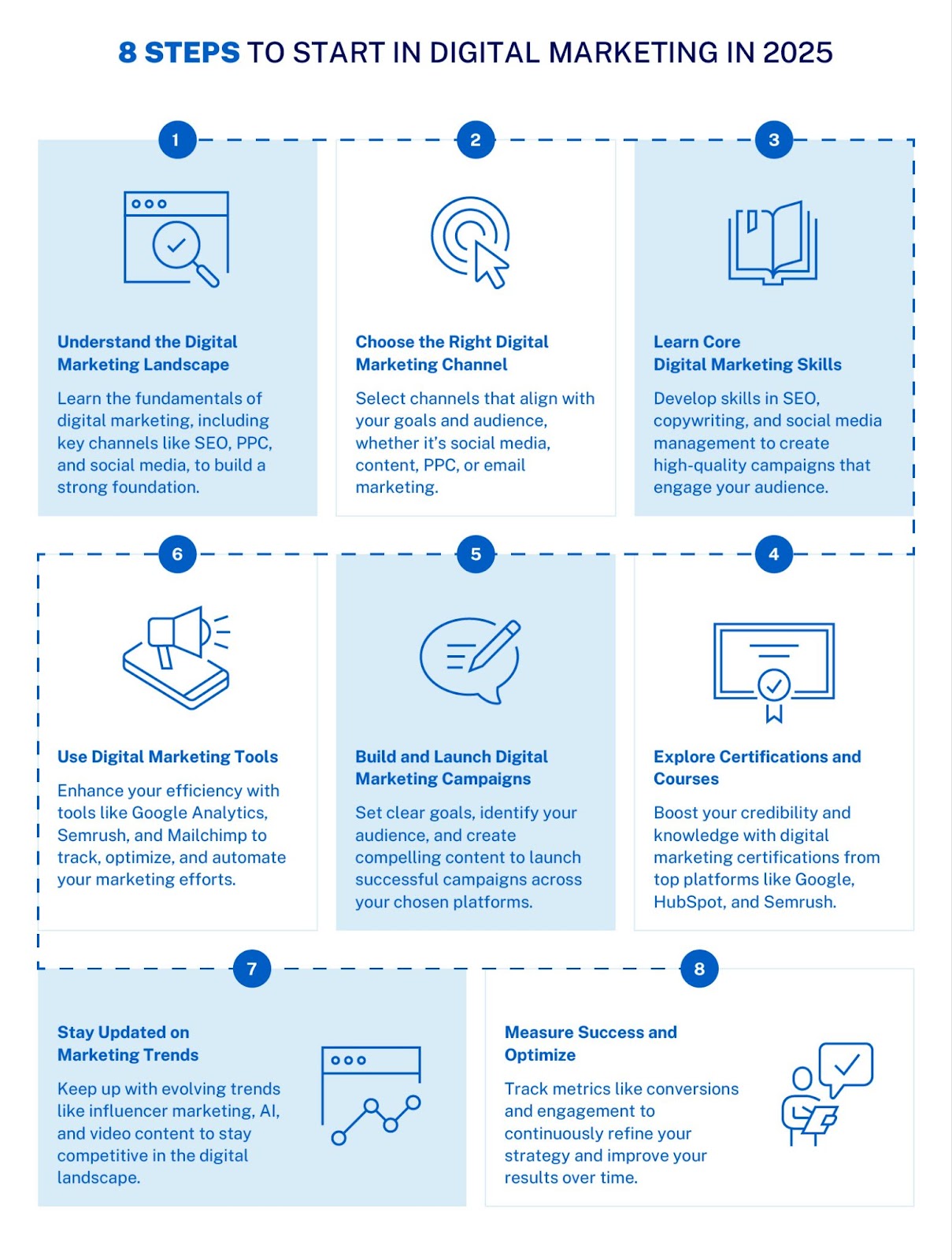
Staying updated is essential for anyone involved in digital marketing. The field changes fast, with new tools, rules, and methods appearing regularly. Keeping up helps you make better decisions and stay ahead of competitors.
Being aware of the latest trends and learning continuously supports growth. It builds skills and knowledge needed for success. Here are two key areas to focus on for staying updated.
Industry Trends
Watch for new trends in digital marketing. Follow reliable news sources and blogs. Trends include changes in social media, search engine rules, and advertising methods. Knowing these helps adjust your strategies quickly. Trends reveal what works now and what may stop working soon.
Pay attention to data and reports from top marketing platforms. They show how audiences behave and what they prefer. This insight guides your campaigns to perform better. Ignoring trends risks losing audience interest and wasting resources.
Continuous Learning
Keep learning new skills and ideas. Take online courses or attend webinars. Practice new tools and techniques regularly. Learning keeps you flexible and ready for changes. It also builds confidence in your marketing choices.
Join marketing groups or forums to share knowledge with peers. Discussing challenges and solutions helps understand real-world issues. Continuous learning turns experience into valuable expertise. It ensures you stay relevant and effective in digital marketing.
Credit: www.imd.org
Frequently Asked Questions
What Are The Basic Steps In Digital Marketing?
Digital marketing starts with research, planning, and setting goals. Then, create content, optimize SEO, use social media, run ads, and analyze results. Each step builds your online presence and attracts customers effectively.
How Long Does Digital Marketing Take To Show Results?
Results vary but usually appear within 3 to 6 months. SEO and content marketing take longer, while paid ads show faster outcomes. Consistency and strategy quality significantly impact how quickly you see results.
What Tools Are Essential For Digital Marketing Beginners?
Key tools include Google Analytics, SEMrush, Canva, Mailchimp, and Hootsuite. These help track performance, create content, manage emails, and schedule social posts. Using the right tools improves efficiency and campaign success.
How Can I Measure Digital Marketing Success?
Measure success through metrics like website traffic, conversion rates, engagement, and ROI. Use analytics tools to monitor these KPIs regularly. Adjust your strategy based on data for continuous improvement.
Conclusion
Digital marketing grows step by step. Start small, learn, and improve often. Use tools and tips from this guide. Track your progress to see what works best. Stay patient and keep trying new ideas. Success comes with time and effort.
Keep your message clear and your audience in mind. This guide helps you begin your digital marketing journey. Take action today and build your online presence.


