

Are you ready to unlock the full potential of your business online? Whether you’re just starting out or looking to boost your current efforts, understanding digital marketing is key.
This complete guide breaks down everything you need to know in simple, clear steps. You’ll discover proven strategies that can help you attract more customers, increase sales, and grow your brand. Keep reading, and you’ll gain practical tips that you can start using right away to see real results.
Don’t miss out on the chance to take control of your digital success.
Digital Marketing Fundamentals
Digital marketing fundamentals form the base of any successful online campaign. Understanding these basics helps businesses connect with their audience efficiently. It also saves time and money by focusing efforts on what matters most. The right approach improves brand visibility and customer engagement.
Key Channels And Tools
Digital marketing uses several channels to reach people. Popular channels include social media, email, search engines, and websites. Each channel offers unique ways to share messages and attract visitors.
Tools like Google Analytics, email platforms, and content management systems help manage campaigns. These tools track performance and provide useful data. This data guides marketers to improve their strategies over time.
Audience Targeting Basics
Knowing the audience is crucial in digital marketing. It means understanding who the customers are and what they want. Marketers use data like age, location, and interests to target ads accurately.
Clear targeting reduces wasted effort and boosts campaign success. It ensures messages reach the right people at the right time. This increases the chances of turning visitors into customers.
Setting Marketing Goals
Every campaign needs clear goals. Goals give direction and help measure success. Common goals include increasing website traffic, generating leads, or boosting sales.
Goals must be specific, measurable, and realistic. Setting clear targets helps teams stay focused and motivated. It also provides a way to track progress and adjust plans if needed.
Content Marketing Strategies
Content marketing strategies play a key role in digital marketing success. They help businesses connect with their audience and build trust. Good strategies ensure your message reaches the right people. They also keep your audience interested and engaged.
Creating Engaging Content
Start by understanding your audience’s needs and interests. Use clear, simple language to explain your ideas. Stories and examples make content more relatable. Visuals like images and videos increase engagement. Keep paragraphs short and use headings to improve readability. Ask questions to involve readers and spark curiosity.
Content Distribution Methods
Choose the right channels to share your content. Social media platforms reach wide audiences quickly. Email newsletters deliver content directly to interested readers. Blogs help improve search engine rankings and attract visitors. Collaborations with influencers can expand your reach. Consistent posting schedules keep your audience coming back.
Measuring Content Performance
Track key metrics to understand what works best. Monitor page views to see popular content. Check time spent on pages to measure engagement. Look at shares and comments for social interaction. Use tools like Google Analytics for detailed reports. Adjust strategies based on data to improve results.
Search Engine Optimization
Search Engine Optimization (SEO) is the process of improving a website’s visibility on search engines. It helps websites rank higher in search results. Better rankings mean more visitors and potential customers. SEO involves many strategies, each targeting different parts of a website and its presence online.
On-page Seo Techniques
On-page SEO focuses on the content and structure of your website. Use clear and simple titles with keywords. Write short paragraphs that are easy to read. Add headings to organize content and include keywords naturally. Optimize images by using descriptive file names and alt text. Ensure URLs are short and include target keywords. Internal links help visitors and search engines navigate your site.
Off-page Seo Tactics
Off-page SEO involves actions outside your website to improve rankings. Building quality backlinks from trusted sites boosts your site’s authority. Engage with social media to increase brand exposure. Online reviews and mentions also affect your reputation. Participate in relevant forums or blogs to share your expertise. These tactics improve your site’s trustworthiness and popularity.
Technical Seo Essentials
Technical SEO ensures search engines can easily crawl and index your site. A fast-loading website improves user experience and rankings. Use a mobile-friendly design since many users browse on phones. Create an XML sitemap to guide search engines through your pages. Fix broken links and remove duplicate content. Secure your site with HTTPS to protect visitors’ data.
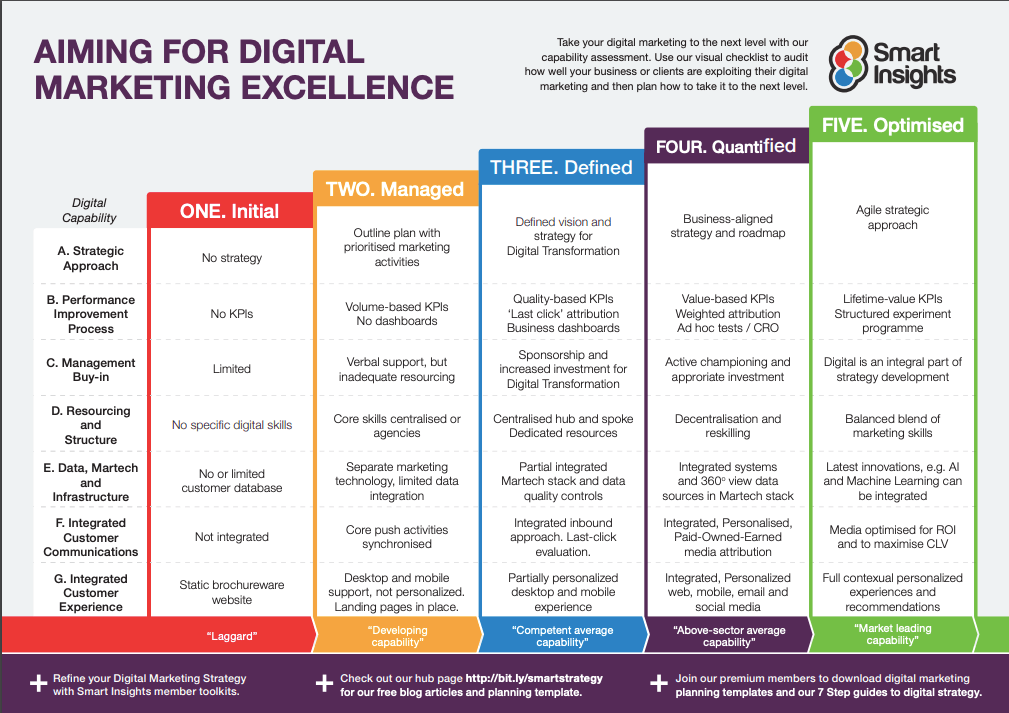
Credit: www.smartinsights.com
Social Media Marketing
Social media marketing helps brands connect with people online. It creates opportunities to share content and build strong relationships. Using social media well can increase brand awareness and drive sales.
Success depends on choosing the right platforms, engaging the community, and using paid ads smartly. Each step plays a key role in reaching your audience effectively.
Choosing The Right Platforms
Select platforms where your audience spends time. Not every network fits every business. For example, Instagram works well for visual brands. LinkedIn suits B2B companies better.
Focus on quality over quantity. Manage fewer platforms but do it well. Research your audience’s habits to pick the best options.
Building Community Engagement
Engage your followers with regular posts and replies. Ask questions to invite comments. Respond quickly to messages and feedback.
Create content that adds value and sparks interest. Share stories, tips, or behind-the-scenes looks. Engagement builds trust and loyalty over time.
Paid Social Advertising
Use paid ads to reach a wider audience quickly. Target specific groups by age, location, or interests. Set clear goals to track ad success.
Test different ads to see what works best. Adjust budgets based on performance. Paid ads can boost visibility and support organic growth.
Email Marketing Tactics
Email marketing remains a powerful tool to connect with your audience directly. It helps build relationships and encourages repeat visits. Successful email marketing depends on clear strategies that target the right people with the right message. Focus on growing your list, creating strong campaigns, and using automation wisely.
List Building Strategies
Start by offering value to attract subscribers. Use sign-up forms on your website and social media pages. Provide free guides, discounts, or newsletters to encourage sign-ups. Make sure the form is simple and asks for only essential information. Segment your list by interests or behaviors for better targeting later. Keep your list clean by removing inactive subscribers regularly.
Crafting Effective Campaigns
Write clear and catchy subject lines to increase open rates. Personalize emails with the recipient’s name for a friendly touch. Use short paragraphs and bullet points for easy reading. Add a clear call to action that tells readers what to do next. Test different sending times and email designs to see what works best. Always include an option to unsubscribe to respect privacy.
Automation And Personalization
Automation saves time by sending emails based on user actions. Set up welcome emails for new subscribers automatically. Use behavior-based triggers, like abandoned cart reminders, to boost sales. Personalize content based on past purchases or browsing habits. Keep messages relevant to each subscriber’s needs and preferences. Regularly update your automation to keep it effective and fresh.
Pay-per-click Advertising
Pay-Per-Click (PPC) advertising is a popular way to attract visitors quickly. It allows businesses to pay only when someone clicks their ad. This method targets people searching for specific products or services. PPC helps increase website traffic and potential sales.
Effective PPC campaigns need careful planning and constant attention. The key is to reach the right audience with the right message. Every click counts, so managing your budget wisely is crucial.
Setting Up Campaigns
Start by choosing the platform for your ads, such as Google Ads or Bing Ads. Create your campaign with clear goals, like increasing sales or website visits. Organize your ads into groups based on themes or products. Set a daily budget that fits your marketing plan. Write simple and clear ad copy that grabs attention fast.
Keyword Research And Bidding
Select keywords that your audience uses when searching. Use tools like Google Keyword Planner to find relevant terms. Focus on keywords with good traffic but less competition. Set bids for each keyword based on its value to your campaign. Adjust bids regularly to stay competitive and control costs.
Optimizing Ad Performance
Track key metrics like click-through rate and conversion rate. Test different ad headlines and descriptions to see what works best. Use negative keywords to avoid irrelevant clicks. Pause or remove ads that perform poorly. Regular updates keep your campaign efficient and profitable.
Analytics And Data Insights
Analytics and data insights help you see how well your marketing works. They show what people do on your website and how they find you. This information helps improve your campaigns. You can focus on what works and change what does not. Understanding data is key to success in digital marketing.
Tracking Key Metrics
Key metrics tell you the health of your marketing efforts. These include website traffic, bounce rate, and conversion rate. Tracking these numbers shows where visitors come from and what they do. You can learn which pages keep visitors engaged. Tracking sales and leads helps measure your return on investment.
Using Google Analytics
Google Analytics is a free tool to collect website data. It shows how users interact with your site in detail. You can see how many people visit, how long they stay, and their location. The tool helps identify top-performing pages and traffic sources. Setting up goals tracks specific actions like purchases or sign-ups.
Adjusting Strategies Based On Data
Data reveals what marketing strategies work best. If a tactic fails, change it quickly. Use insights to improve ads, content, and keywords. Testing new ideas based on data reduces risks. Regular review of data keeps your marketing effective. Adjusting strategies ensures better results and less wasted budget.
Credit: www.digitalmarketer.com
Emerging Trends In Digital Marketing
Digital marketing is changing fast. New trends appear that shape how brands reach their audience. Staying aware of these trends helps businesses stay ahead and connect better. Here are some key emerging trends in digital marketing.
Influencer Marketing Growth
Influencer marketing is growing quickly. People trust recommendations from influencers more than ads. Brands work with influencers to reach specific groups. Micro-influencers, with smaller but loyal followers, are gaining popularity. They offer more genuine connections and better engagement.
Ai And Automation
AI tools improve marketing efficiency. Automation handles tasks like email campaigns and social media posts. AI analyzes customer data to personalize messages. Chatbots provide instant customer service. These technologies save time and increase accuracy in campaigns.
Voice Search Optimization
Voice search is becoming common. More people use smart speakers and voice assistants daily. Optimizing content for voice search means using natural language and questions. This helps brands appear in voice search results. It also improves user experience and reaches new audiences.
Credit: www.reliablesoft.net
Frequently Asked Questions
What Is Digital Marketing And Why Is It Important?
Digital marketing uses online channels to promote products or services. It helps businesses reach global audiences cost-effectively and measure results precisely. It boosts brand awareness, drives traffic, and increases sales. Today, it is essential for business growth and staying competitive.
How Do Seo And Content Marketing Work Together?
SEO improves website visibility on search engines by optimizing keywords and structure. Content marketing creates valuable, relevant content to attract and engage users. Together, they drive organic traffic, enhance user experience, and build authority, resulting in higher rankings and better conversion rates.
What Are The Key Digital Marketing Channels?
Key channels include SEO, social media marketing, email marketing, pay-per-click ads, and content marketing. Each channel targets specific audiences and goals. Combining them creates a comprehensive strategy that maximizes reach, engagement, and conversions effectively.
How Can Small Businesses Benefit From Digital Marketing?
Small businesses gain cost-effective advertising, targeted audience reach, and measurable results through digital marketing. It levels the playing field by providing tools for brand building, customer interaction, and sales growth, even with limited budgets.
Conclusion
Digital marketing is a key part of business growth today. It helps you reach more people online. Use the right tools and strategies to connect with your audience. Keep learning and adapting as trends change. Small steps can lead to big results over time.
Stay focused and consistent in your efforts. Success comes from patience and smart work combined. Start applying these tips to improve your marketing today. Your business can grow with simple, steady actions.


