

Are you preparing for a digital marketing interview and want to feel confident and ready? Knowing the right questions and answers can make all the difference in landing your dream job.
This guide gives you the top 20 digital marketing interview questions, along with clear, easy-to-understand answers. By reading this, you’ll gain the edge you need to impress your interviewer and stand out from the crowd. Keep reading to unlock the secrets that can boost your chances of success!

Credit: www.novelvista.com
Common Digital Marketing Questions
Common digital marketing questions help candidates prepare well for interviews. These questions cover basic concepts and practical skills. Understanding them boosts confidence and performance. They test knowledge of tools, strategies, and industry terms.
Below are key areas often covered in digital marketing interviews.
Basics Of Digital Marketing
What is digital marketing? It means promoting products or services online. It uses channels like websites, email, and social media. Candidates should know about inbound and outbound marketing. Understanding the sales funnel and customer journey is important. Basic terms like PPC, CTR, and conversion rate come up often.
Seo Fundamentals
SEO means optimizing websites to rank higher in search engines. Interviewers ask about on-page and off-page SEO. Keyword research and link building are key topics. Understanding meta tags, alt text, and site speed matters. Candidates may explain tools like Google Analytics and Search Console. SEO basics show your ability to increase organic traffic.
Content Marketing Insights
Content marketing focuses on creating useful content for the audience. Questions cover blog posts, videos, and infographics. Candidates should know how to plan and promote content. Understanding audience needs and buyer personas helps. Measuring content success with metrics like engagement and shares is common. Clear, helpful content builds trust and drives sales.
Social Media Strategies
Social media marketing uses platforms like Facebook, Instagram, and LinkedIn. Interviewers ask about content scheduling and paid ads. Knowing how to grow followers and boost engagement is key. Candidates should explain targeting options and campaign tracking. Social media helps brands connect directly with customers. It also supports brand awareness and lead generation.
Technical Digital Marketing Queries
Technical questions in digital marketing test your practical knowledge. They focus on tools, strategies, and trends used daily. Understanding these topics helps you answer clearly and confidently. Here are key areas often covered in interviews.
Google Analytics And Metrics
Google Analytics tracks website traffic and user behavior. Know how to set up goals and events. Understand bounce rate, session duration, and conversion rate. Explain how to analyze data to improve campaigns. Familiarity with segments and filters is important.
Paid Advertising Techniques
Paid ads include PPC, display, and social media ads. Know how to create and manage campaigns on platforms like Google Ads. Understand bidding strategies, quality score, and ad relevance. Discuss how to optimize ads to lower cost per click. Track return on ad spend carefully.
Email Marketing Tactics
Email marketing requires building a strong list and engaging content. Know about segmentation and personalization. Explain A/B testing for subject lines and calls to action. Understand metrics like open rate, click-through rate, and unsubscribe rate. Emphasize compliance with spam laws.
Mobile Marketing Trends
Mobile marketing focuses on reaching users on phones and tablets. Know about SMS campaigns, mobile apps, and responsive design. Discuss location-based marketing and push notifications. Understand the rise of voice search and mobile video ads. Mobile experience affects user engagement deeply.
Behavioral And Situational Questions
Behavioral and situational questions reveal how you act in real work situations. Employers want to see your skills beyond technical knowledge. These questions show your attitude, teamwork, and problem-solving ability. Prepare clear examples from your past work or projects. Use simple and honest answers to make a strong impression.
Handling Campaign Challenges
Describe a time a campaign did not meet its goals. Explain the problem clearly. Talk about the steps you took to fix it. Mention how you used data or feedback to improve results. Show your ability to stay calm and focused. Highlight what you learned from the challenge.
Team Collaboration Scenarios
Share an experience working with a team on a project. Focus on how you communicated and shared ideas. Explain how you helped solve conflicts or misunderstandings. Show your respect for different opinions. Demonstrate your role in keeping the team motivated and on track.
Problem-solving Examples
Give an example of a tough problem you solved. Describe the situation and why it was difficult. Outline the process you used to find a solution. Mention tools or resources you used. Explain the positive outcome of your action. Emphasize your critical thinking and creativity.
Answering Tips For Interviews
Answering questions in a digital marketing interview needs clear and smart approaches. Your goal is to show knowledge, confidence, and real skills. Use simple, direct answers that match the job role. Stay calm and focused. Think before speaking. These tips help you make a strong impression.
Structuring Responses
Organize your answers clearly. Start with a short main point. Then explain details step by step. Use the STAR method: Situation, Task, Action, Result. This helps to tell a story. Keep answers brief but complete. Avoid going off topic. Clear structure makes your response easy to follow.
Showcasing Achievements
Talk about your past successes. Share examples of projects you led or helped. Mention specific tasks you completed well. Highlight skills you used to solve problems. Show how your work helped the company. Focus on positive outcomes. This proves your value to the employer.
Using Data Effectively
Use numbers to support your answers. Share metrics like traffic growth, conversion rates, or sales increases. Explain how you tracked and improved results. Data makes your claims stronger and believable. Avoid vague statements. Clear data shows you understand digital marketing tools and results.
Success Strategies For Digital Marketing Jobs
Success in digital marketing jobs depends on more than just knowing the basics. It requires staying updated, learning continuously, and building a strong portfolio. These strategies help candidates stand out and perform well in interviews and on the job. Understanding these success strategies boosts confidence and improves chances of landing the right role.
Staying Updated With Trends
Digital marketing changes fast. New tools and methods appear every day. Following industry news helps keep skills sharp. Read blogs, watch videos, and join marketing forums. Knowing current trends shows employers you care about the field. It also prepares you to solve real marketing problems.
Continuous Learning Resources
Learning never stops in digital marketing. Use online courses from trusted sites to learn new skills. Attend webinars and workshops to get fresh ideas. Practice with real projects to gain experience. Continuous learning keeps knowledge relevant and useful. It shows a strong commitment to your career.
Building A Strong Portfolio
A portfolio proves your skills with real examples. Include projects that show different marketing techniques. Add results and data to highlight success. Use clear descriptions to explain your role in each project. A strong portfolio makes a great impression in interviews. It helps recruiters see your true potential.
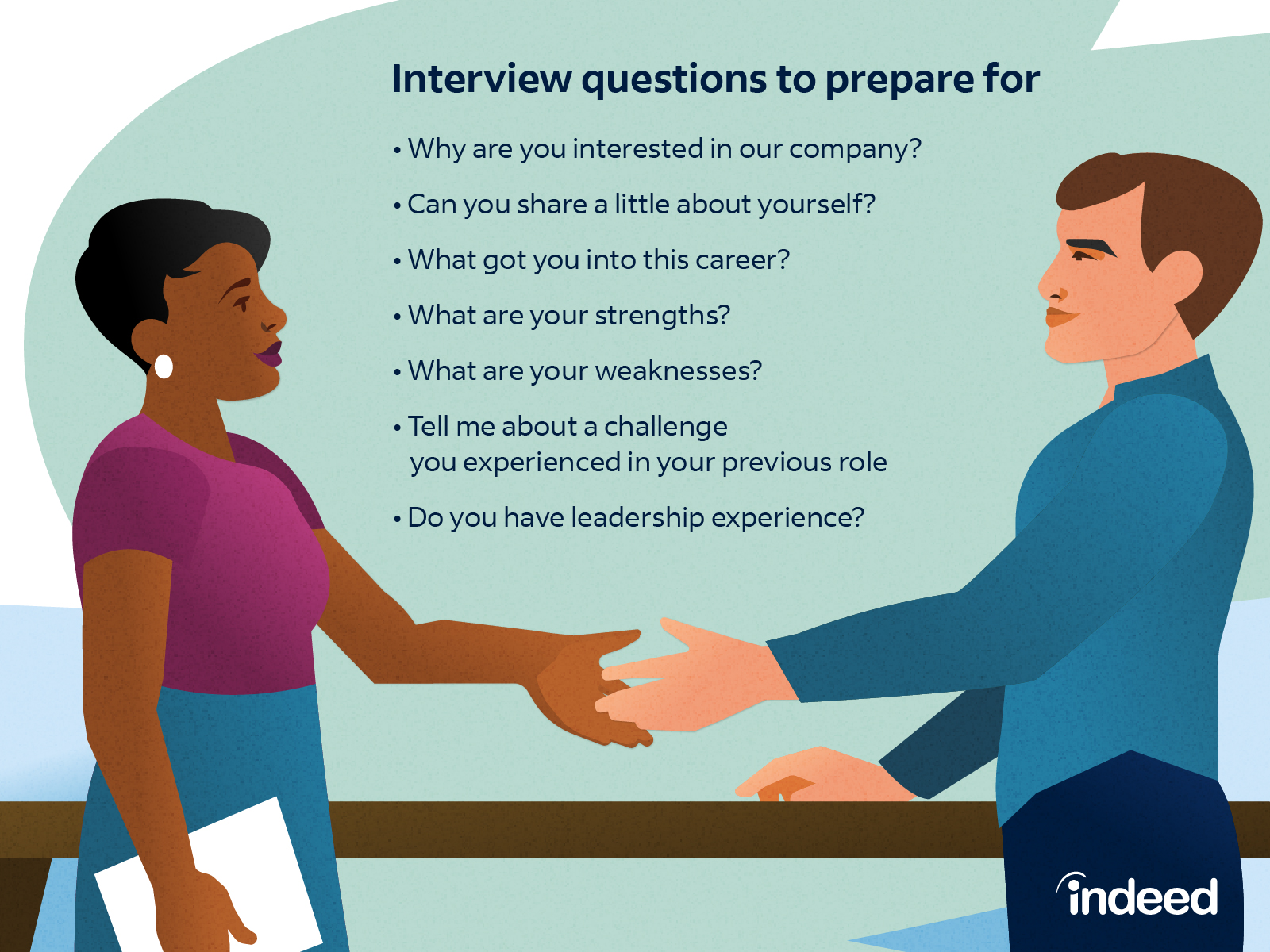
Credit: www.indeed.com

Credit: www.simplilearn.com
Frequently Asked Questions
What Are The Key Digital Marketing Skills To Highlight In Interviews?
Highlight skills like SEO, PPC, content marketing, social media, and analytics. Show your ability to use tools like Google Analytics and AdWords. Emphasize creativity, data analysis, and communication skills. These make you stand out in digital marketing roles.
How Do You Explain Seo In A Digital Marketing Interview?
SEO means optimizing websites to rank higher on search engines. It increases organic traffic by improving keywords, content, and site structure. Mention on-page, off-page SEO, and technical SEO. Show your understanding of tools like SEMrush or Moz for SEO analysis.
What Is The Importance Of Content Marketing In Digital Strategies?
Content marketing builds brand awareness and trust by providing valuable information. It attracts and engages the target audience, driving conversions. Explain how blogs, videos, and social posts support sales funnels. Emphasize measuring content performance with metrics like engagement and leads.
How Can You Measure Digital Marketing Campaign Success?
Success is measured by KPIs like traffic, conversion rates, and ROI. Use tools like Google Analytics to track user behavior and campaign impact. Highlight setting clear goals and analyzing data to optimize future campaigns. Accurate measurement improves marketing efficiency.
Conclusion
Preparing for a digital marketing interview becomes easier with the right questions. This guide covers key topics you should know. Practice these answers to build confidence and clarity. Remember, clear and simple responses impress interviewers the most. Keep learning and stay updated with digital marketing trends.
Your effort will show in every answer you give. Good preparation leads to better opportunities. Stay calm and focused during your interview. Success is within your reach with steady practice.


