Are you wondering how to make email marketing work for your business? You’re not alone.
Email marketing can feel overwhelming at first, but it’s one of the most powerful tools to connect directly with your audience. Imagine sending messages that grab attention, build trust, and drive real action—all delivered straight to your subscribers’ inboxes. You’ll learn simple, practical steps to start your own email marketing campaigns.
From building your list to crafting emails that get opened and clicked, we’ll guide you through everything you need to succeed. Ready to turn your emails into your best marketing asset? Let’s dive in.

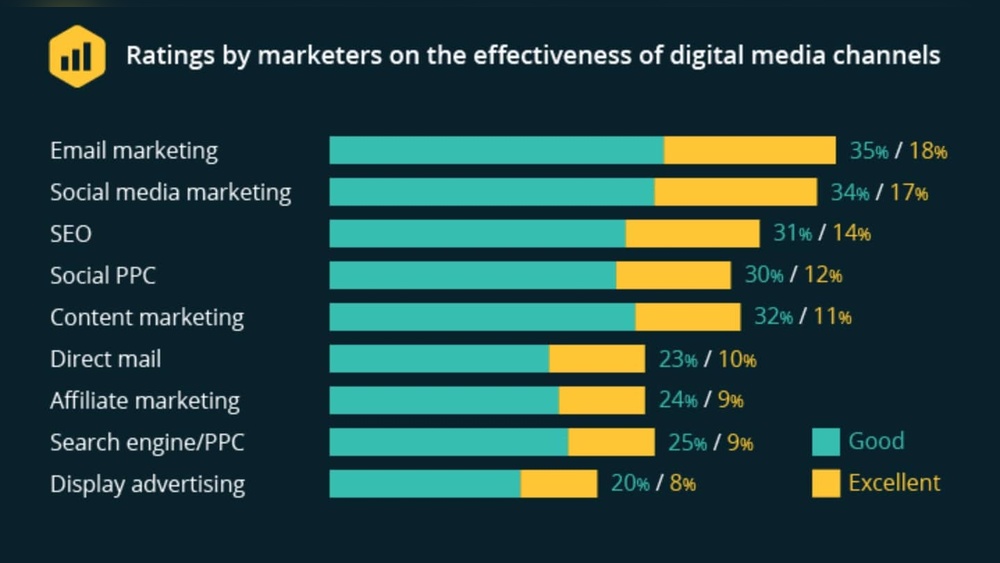
Credit: martech.org
Define Audience
Defining your audience is the foundation of successful email marketing. Knowing who you want to reach helps create messages that connect. It ensures your emails are relevant and welcomed, not ignored or deleted. Start by clearly identifying your ideal customers and understanding what they need. This clarity guides your entire email strategy and boosts engagement.
Identify Customer Profiles
Customer profiles describe the typical people who buy your products or services. Look at age, location, job, and interests. Gather data from past sales, surveys, or website analytics. Create detailed profiles that represent different segments of your audience. These profiles help tailor your messages to fit each group’s preferences.
Understand Subscriber Needs
Subscribers join your list for a reason. Find out what problems they want to solve or what goals they hope to achieve. Use surveys, feedback, or direct questions in emails. Knowing their needs lets you offer useful content and solutions. Meeting these needs builds trust and encourages subscribers to stay engaged.
Set Clear Goals
Setting clear goals is essential for any email marketing campaign. Goals give your efforts direction and help measure success. Without clear goals, campaigns can become unfocused and ineffective.
Start by defining what you want to achieve with your emails. Goals can range from increasing sales to building brand awareness or engaging customers. Clear goals guide your strategy and content creation.
Choose Campaign Objectives
Identify specific objectives for each email campaign. Objectives might include boosting website traffic, promoting a new product, or growing your subscriber list. Clear objectives make it easier to craft targeted messages.
Focus on measurable outcomes like click rates, open rates, or conversions. This helps track how well your email performs. Objectives should be simple and realistic to keep campaigns manageable.
Align Goals With Sales Targets
Link your email marketing goals to overall sales targets. This ensures your efforts support business growth directly. For example, set goals to increase product purchases or sign-ups through your emails.
Work closely with sales teams to understand their targets. Aligning goals boosts collaboration and improves campaign effectiveness. Sales-driven goals help justify marketing spend and show return on investment.
Build Email List
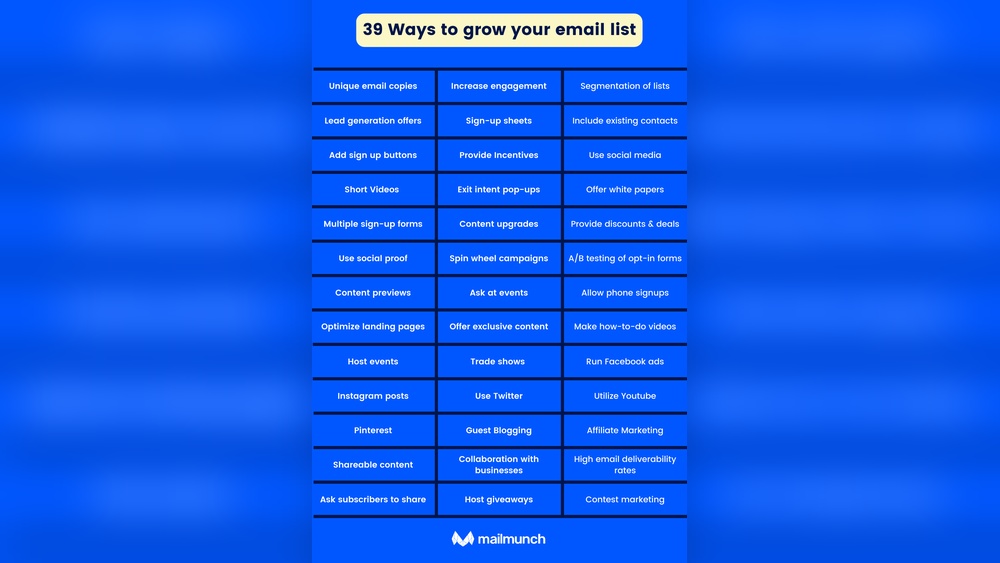
Building an email list is the foundation of successful email marketing. A strong list gives you direct access to people interested in your products or services. Growing this list requires clear strategies that attract genuine subscribers ready to engage with your content.
The goal is to gather contacts who want to hear from you. This helps increase open rates and conversions. Use simple methods to encourage sign-ups and ensure your list stays clean and active.
Offer Incentives
Give people a reason to subscribe. Offer discounts, free guides, or exclusive content. These rewards, called lead magnets, encourage visitors to share their email addresses. Make sure the incentive is relevant and valuable to your audience.
Use Multiple Sign-up Channels
Place sign-up forms on your website, blog, and social media pages. Add pop-ups or slide-ins to catch attention. Collect emails at live events or through contests. More channels mean more opportunities to grow your list.
Implement Double Opt-in
Use a double opt-in process to confirm subscriptions. After signing up, send an email asking users to verify their address. This step reduces fake or incorrect emails. It keeps your list clean and improves deliverability.
Select Email Platform
Selecting the right email platform is a key step in email marketing. It helps manage your contacts, design emails, and track results. A good platform makes sending emails easier and more effective. It also supports growing your list and reaching your audience clearly.
Choosing a platform depends on your needs, budget, and skills. Some platforms offer simple tools for beginners. Others provide advanced features for experienced marketers. Picking the right one saves time and improves your campaign success.
Compare Service Providers
Start by listing popular email service providers. Look at their pricing plans and features. Check if they offer templates for easy email design. See if they support list segmentation to target specific groups.
Read user reviews to learn about reliability and support. Check how many emails you can send each month. Some providers limit emails or contacts on basic plans. Choose a platform that fits your budget and needs.
Utilize Automation Tools
Automation tools save time by sending emails automatically. Set up welcome emails for new subscribers. Create drip campaigns to share content over time. Use triggers based on subscriber actions, like clicks or opens.
Automation helps keep your audience engaged without manual work. It improves response rates by sending emails at the right time. Look for platforms with easy-to-use automation features. This makes setting up campaigns faster and simpler.
Segment Subscribers
Segmenting your subscribers makes your email marketing more effective. It helps send the right message to the right people. This increases the chance they will open and act on your emails. Segmentation divides your list into smaller groups based on shared traits. These traits guide how you tailor your content for each group. Below are two key ways to segment your subscribers.
Group By Demographics
Grouping subscribers by demographics uses basic information like age, gender, or location. This data helps create targeted emails that feel personal. For example, sending event invites only to subscribers in Austin, Texas, avoids wasting emails on others. Age groups may prefer different types of offers or products. Demographic segments allow you to speak directly to each group’s needs. This improves engagement and reduces unsubscribes.
Target By Behavior And Interests
Behavior-based segments focus on how subscribers interact with your emails and website. Track actions like clicks, purchases, or pages viewed. This shows what interests each subscriber most. For instance, send special offers on running shoes to those who browsed sports gear. Interest segments ensure your emails match what subscribers want now. They feel more relevant and useful. This approach builds trust and encourages repeat engagement.
Credit: profitworks.ca
Personalize Content
Personalizing content in email marketing improves engagement and builds trust with your audience. It shows that you understand their needs and interests. Customized emails make recipients feel valued and increase the chances they will open and act on your messages.
Simple personalization goes beyond using a first name. It includes adapting content based on user behavior, preferences, and demographics. This approach helps your emails stand out in crowded inboxes.
Use Dynamic Fields
Dynamic fields insert personalized details automatically in each email. These can include names, locations, or past purchases. This technique makes every email feel unique and relevant to the reader.
Email marketing platforms offer easy ways to add dynamic fields. Just select the field from your contact list, and it will update for each subscriber.
Dynamic fields save time while keeping content personal. They improve open rates and click-through rates by catching attention quickly.
Tailor Messages For Each Segment
Segmenting your email list allows sending targeted messages to groups with shared traits. Segments can be based on age, location, buying habits, or engagement levels.
Tailored messages speak directly to each segment’s interests. This increases relevance and encourages action.
For example, new subscribers might get welcome emails, while loyal customers receive exclusive offers. This approach boosts satisfaction and loyalty.
Craft Effective Emails
Crafting effective emails is key to successful email marketing. Good emails grab attention and guide readers to act. Each email should be clear and easy to read. A well-crafted email builds trust and encourages engagement. Focus on three main elements to improve your emails.
Write Engaging Subject Lines
The subject line is the first thing readers see. It must be short and interesting. Use simple words that create curiosity or offer value. Avoid spammy words like “free” or “buy now.” Personalize subject lines with the recipient’s name or location. Test different subject lines to find what works best.
Design Visually Appealing Layouts
Emails should look clean and organized. Use a simple layout with clear sections. Include images that support your message but don’t overload the email. Use colors and fonts that match your brand. Make sure your email is easy to read on phones and computers. White space helps readers focus on important parts.
Include Strong Calls To Action
Calls to action (CTAs) tell readers what to do next. Use clear and direct language like “Shop Now” or “Learn More.” Place CTAs where they are easy to find. Use buttons or links that stand out visually. Limit each email to one or two CTAs to avoid confusion. Strong CTAs increase clicks and conversions.
Credit: www.campaignmonitor.com
Automate Campaigns
Automating your email marketing campaigns saves time and improves engagement. Automation sends emails based on triggers or schedules. This keeps your audience connected without manual effort. It creates a smooth experience for subscribers and boosts your marketing efficiency.
Set Up Welcome Series
Welcome emails introduce new subscribers to your brand. Set up a series of emails to guide them step-by-step. Start with a friendly greeting and thank them for joining. Follow up with information about your products or services. Include tips, special offers, or links to popular content. This builds trust and encourages future interaction.
Automate these emails to send right after sign-up. This quick response increases open rates and engagement. Make each message clear and easy to read. Use simple language and short sentences to connect with your audience.
Create Abandoned Cart Emails
Abandoned cart emails remind customers about items left in their shopping carts. Many shoppers leave without buying, but a reminder can bring them back. Automate these emails to send within a few hours after cart abandonment. Include product images and a clear call to action.
Offer incentives like discounts or free shipping to encourage purchase. Keep the message friendly and helpful, not pushy. This automation recovers lost sales and improves your conversion rate.
Analyze Performance
Analyzing the performance of your email marketing campaigns is essential. It helps you understand what works and what does not. This process allows you to improve future emails and increase engagement. Tracking data regularly keeps your strategy effective and aligned with your goals.
Track Key Metrics
Start by monitoring essential metrics like open rates, click-through rates, and conversion rates. These numbers show how many people read your emails and take action. Watch bounce rates and unsubscribe rates too. They tell you if your list is healthy or if emails are not reaching inboxes. Use these insights to measure success and identify areas needing improvement.
Conduct A/b Testing
Try A/B testing to compare two versions of an email. Change one element at a time, such as the subject line or call to action. Send each version to a small part of your list. See which version gets better results. Apply the winning version to the rest of your audience. This method helps you discover what appeals most to your subscribers.
Adjust Frequency And Timing
Check how often you send emails and when you send them. Too many emails can annoy subscribers and cause unsubscribes. Too few emails may reduce engagement. Test different sending times to find when your audience is most active. Adjust your schedule based on data to maximize open and click rates.
Frequently Asked Questions
How Do I Do Email Marketing?
Start by defining your audience and goals. Build and segment your email list. Create personalized, mobile-friendly content with clear calls to action. Use an email marketing platform for automation and tracking. Analyze results regularly to improve campaigns.
How Much Is A 1000 Email List Worth?
A 1,000-email list typically ranges from $100 to $1,000, depending on quality, engagement, and niche relevance.
What Are The 5 Steps Of Email Marketing?
The 5 steps of email marketing are: define your audience and goals, build and segment your email list, create personalized content, automate campaigns, and analyze performance for improvements.
What Is The 80/20 Rule In Email Marketing?
The 80/20 rule in email marketing means 80% of emails provide value, while 20% promote products or services. This balance builds trust and boosts engagement.
Conclusion
Email marketing helps build strong connections with your audience. Focus on clear goals and know your subscribers well. Use simple, personalized messages that speak directly to their needs. Regularly check your results and adjust your approach. Keep your emails easy to read on any device.
Small steps lead to better engagement and higher success. Consistency and attention to detail make all the difference. Start with a clear plan and keep improving as you learn.