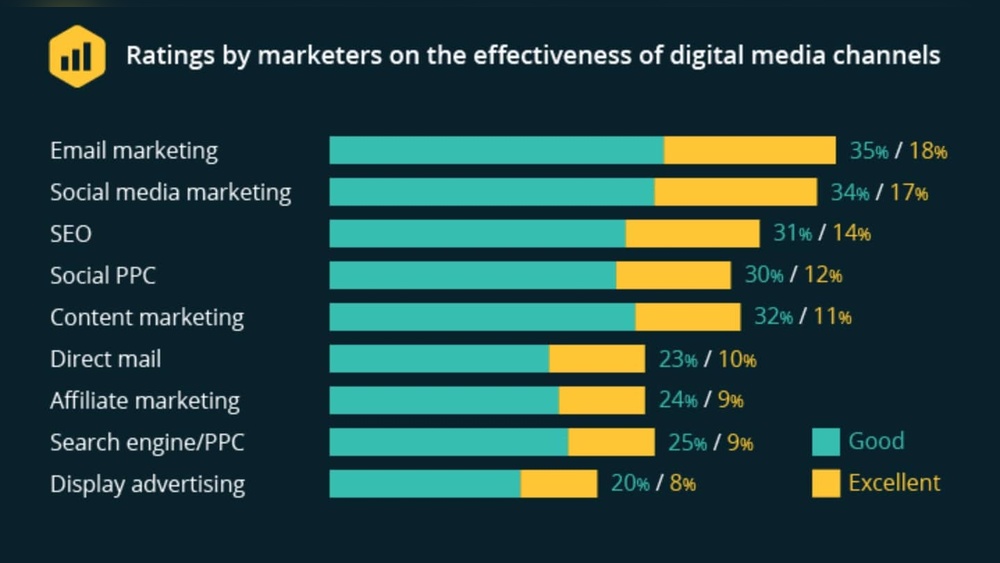
You might wonder, just how effective is email marketing for your business? With so many ways to connect with customers, it’s easy to overlook this classic tool.
But here’s the truth: email marketing still delivers impressive results when done right. Whether you want to boost sales, build lasting relationships, or increase brand awareness, your email campaigns can play a key role. You’ll discover the real success rates behind email marketing, the key metrics you should watch, and the factors that can take your emails from ignored to irresistible.
Ready to unlock the full potential of your inbox? Let’s dive in.
Email Marketing Success Rates
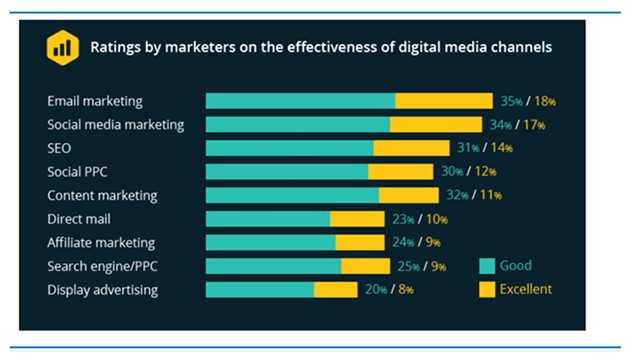
Email marketing success rates reveal how well your campaigns perform. Tracking these rates helps understand audience engagement and campaign impact. Success depends on clear goals and effective strategies. Marketers use specific metrics to measure performance and improve results.
Key Performance Metrics
Open rate measures the percentage of people who open your email. It shows how well your subject line grabs attention.
Click-through rate (CTR) tracks how many recipients click links inside the email. It reflects interest in your message.
Click-to-open rate (CTOR) compares clicks to opens. It indicates how engaging your email content is after opening.
Conversion rate measures the percentage of people completing a desired action. This shows the true success of your campaign.
Typical Success Benchmarks
Average open rates range from 15% to 25% across industries. Higher rates mean stronger subject lines and targeting.
CTR averages usually fall between 2% and 5%. Good CTRs suggest relevant and compelling content.
Conversion rates are often below 5%, but even small increases can boost sales significantly.
Success varies by industry and audience. Testing and refining emails improve these benchmarks.
Credit: www.campaignmonitor.com
Factors That Boost Email Success
Email marketing success depends on several key factors. These elements improve engagement and increase conversions. Understanding and applying them helps marketers reach their goals efficiently.
Each factor plays a crucial role in making emails more relevant and appealing to recipients. Combining these strategies enhances overall email performance significantly.
Personalization Techniques
Personalization makes emails feel unique and relevant to each recipient. Using the recipient’s name in the subject line or body boosts open rates. Tailoring content based on past behavior increases click-through rates. Segmenting the audience ensures the right message reaches the right people. Personalized emails build stronger connections and encourage customer loyalty.
Automation Benefits
Automation saves time by sending emails automatically based on triggers. Welcome emails, abandoned cart reminders, and birthday offers are common examples. This keeps communication timely and consistent. Automated emails often have higher engagement because they arrive when customers are most interested. Using automation improves efficiency and helps maintain regular contact without manual work.
Mobile Optimization
Most people check emails on their phones. Mobile optimization ensures emails display correctly on small screens. Responsive design adjusts layouts, fonts, and images for easy reading. If emails are hard to read or links are difficult to click, users quickly lose interest. Optimizing for mobile devices increases open and click rates. It also reduces the chance of subscribers unsubscribing.
Ai Integration
AI helps analyze data to predict customer preferences. It can recommend the best time to send emails for each user. AI tools create personalized subject lines and content suggestions. This improves relevance and engagement rates. Using AI also allows marketers to test different email versions quickly. AI integration makes campaigns smarter and more effective with less guesswork.
Measuring Engagement
Measuring engagement is key to understanding how well your email marketing performs. It shows how recipients interact with your emails. Tracking these metrics helps improve future campaigns and increase success. The main indicators of engagement include open rate, click-through rate, and conversion rate. Each one reveals a different aspect of audience behavior.
Open Rate Insights
Open rate measures the percentage of recipients who open your email. It reflects how well your subject line and sender name attract attention. A high open rate means your email stands out in the inbox. Low open rates suggest the need for better targeting or more compelling subject lines. This metric is the first step to gauge interest but does not show deeper engagement.
Click-through Rate Importance
Click-through rate (CTR) tracks the number of people who click links inside your email. CTR reveals how well your content and call-to-action motivate readers. A strong CTR means your message resonates and drives users to explore more. Improving email design, link placement, and relevancy can boost CTR. This metric is crucial for measuring active engagement beyond just opening the email.
Conversion Rate Impact
Conversion rate measures how many recipients complete a desired action after clicking. This action could be a purchase, signup, or download. High conversion rates mean your email effectively encourages readers to take next steps. This metric directly ties email marketing to business goals. Optimizing landing pages and aligning email offers help increase conversion rates. It shows the real impact of your email campaign on revenue and growth.
Benefits Of Email Marketing
Email marketing offers many benefits for businesses of all sizes. It helps companies connect directly with customers and build lasting relationships. The channel is efficient and measurable, making it a favorite among marketers. Below are key benefits that show why email marketing remains effective today.
High Return On Investment
Email marketing delivers one of the highest returns on investment. For every dollar spent, businesses often see a strong revenue increase. This makes it a smart choice for budget-conscious marketers.
Cost-effective Channel
Email campaigns cost less than many other marketing methods. There are no printing or advertising fees. This affordability suits small businesses and startups well.
Direct Customer Reach
Emails land straight in customers’ inboxes. This direct line allows businesses to send tailored messages without distractions. It helps reach the audience quickly and personally.
Building Customer Loyalty
Regular emails keep customers engaged and informed. Sharing useful content and offers strengthens trust and loyalty. Loyal customers buy more and recommend the brand.
Increasing Brand Awareness
Consistent email communication keeps a brand visible. It reminds customers about products and services. Over time, this boosts recognition and brand recall.
Tracking Measurable Results
Email marketing tools provide clear data on campaign performance. Marketers can track opens, clicks, and conversions. This helps improve future campaigns based on real feedback.
Driving Conversions
Emails encourage customers to take action. Whether buying, signing up, or visiting a website, emails guide users through the sales funnel. This increases overall sales and leads.
Generating Quality Leads
Email marketing attracts interested prospects. By offering valuable content, businesses capture contact details of potential customers. These leads can be nurtured into paying clients.
Proven Strategies For Success
Proven strategies make email marketing more effective and boost campaign results. These tactics improve engagement and increase customer response. Applying the right methods helps marketers connect better with their audience. Below are key strategies that lead to success in email marketing.
Crafting Engaging Content
Create emails that grab attention quickly. Use clear and simple language to explain your message. Include strong subject lines that encourage opens. Personalize content to make readers feel valued. Add images and buttons to guide actions. Keep emails concise and focused on one goal.
Optimizing Send Times
Sending emails at the right time increases open rates. Test different days and hours to find the best schedule. Consider your audience’s time zone and habits. Avoid early mornings or late nights when people ignore emails. Use tools that automate sending at optimal times for each contact.
Segmenting Your Audience
Divide your email list into smaller groups. Group contacts by interests, location, or purchase history. Send relevant messages to each segment. This boosts engagement and reduces unsubscribes. Tailored emails feel more personal and important to recipients.
Testing And Analytics
Run A/B tests on subject lines, content, and send times. Measure results to see what works best. Track key metrics like open rate, click-through rate, and conversion rate. Use data to improve future campaigns. Continuous testing helps refine your email strategy for better success.

Credit: unbounce.com
Email Marketing Trends
Email marketing continues to evolve with new trends shaping its effectiveness. Staying updated on these trends helps marketers reach their audience better. Trends focus on technology, user experience, and engagement.
These changes improve how emails connect with customers and boost campaign results. Below are some key trends influencing email marketing today.
Rising Role Of Ai
Artificial intelligence helps personalize emails more accurately. It analyzes customer data to send relevant content at the right time. AI also optimizes subject lines and send times to increase opens. Marketers use AI to automate tasks, saving time and improving results.
Mobile-first Approaches
Most people check emails on smartphones now. Mobile-first design ensures emails look good on small screens. Simple layouts and fast-loading images improve user experience. Mobile-friendly emails reduce bounce rates and keep readers engaged.
Interactive Email Elements
Interactive features like polls, quizzes, and buttons engage readers directly. These elements encourage clicks and increase time spent on emails. Interactive content makes emails more dynamic and fun. It helps brands stand out in crowded inboxes.

Credit: www.smartinsights.com
Frequently Asked Questions
What Is The Success Rate Of Email Marketing?
Email marketing success rates vary: average open rates range 15-25%, click-through rates 2-5%, and conversion rates 1-3%. Personalization and automation boost results.
What Is The 60 40 Rule In Email?
The 60/40 rule in email means 60% of your email content should be valuable, informative, or entertaining. The other 40% promotes products or services. This balance builds trust and engagement while driving sales effectively.
How Much Is A 1000 Email List Worth?
A 1000 email list typically ranges from $100 to $500, depending on quality, engagement, and industry relevance.
Is Email Marketing Still Effective Today?
Email marketing remains highly effective today, offering excellent ROI, direct customer reach, and measurable results. Personalization and automation boost engagement and conversions.
Conclusion
Email marketing remains a strong tool for businesses today. It offers direct contact with customers and cost-effective reach. Tracking results helps improve future campaigns easily. Personalized emails build trust and encourage repeat business. Small or large companies can benefit from its high return on investment.
Simple strategies like mobile-friendly design and automation boost success. Overall, email marketing continues to deliver measurable and meaningful results. A smart choice for growing any business.