
Are you ready to transform your website’s visitors into loyal customers? The secret lies in crafting a successful landing page.
Imagine having a digital gateway that captures attention, sparks interest, and guides potential clients seamlessly to your desired action. A well-designed landing page is not just a digital brochure; it’s a powerful tool that can significantly boost your conversion rates.
But how do you ensure your landing page stands out and performs exceptionally well? The answer is simpler than you might think. By understanding a few key principles, you can create a landing page that not only draws in viewers but also engages and converts them. Dive into this guide to discover the essential steps to building a landing page that truly works for you.
Essential Elements
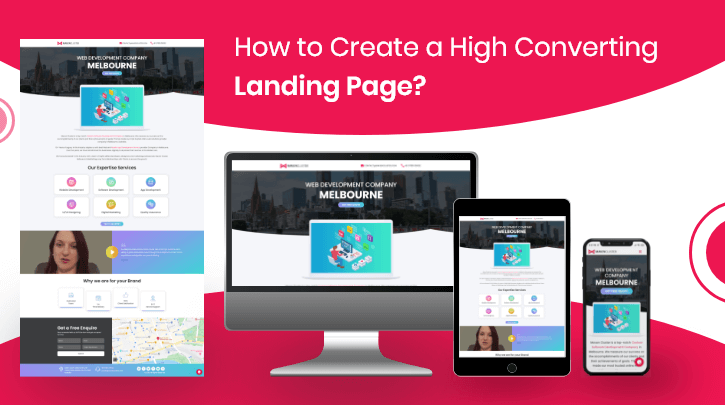
A headline should grab attention quickly. Use simple words. Make it clear and direct. It tells visitors what to expect. A good headline can make visitors stay. It’s important to keep it short. Just a few words can do the job.
A call to action tells people what to do next. Use action words like “buy,” “get,” or “start.” Place it where people can see it easily. Make sure it stands out. Use bright colors or big buttons. A good call to action can lead to more clicks.
Pictures and videos make a page look nice. They help tell the story. Use high-quality images. They should relate to your message. Too many images can distract visitors. Choose visuals wisely. They should support your main idea.
A short description gives more info. It should be easy to read. Use simple sentences. Explain benefits clearly. It’s not about features, but how it helps visitors. Keep it to a few lines. This makes it easier to understand quickly.
Credit: www.mavencluster.com
Design Principles
User-Friendly Layout ensures visitors find things easily. Use clear headings and short paragraphs. Keep white space around text. This helps eyes rest. Buttons should be big and easy to click. Navigation should be simple. Help users find what they need fast.
Consistent Branding builds trust with visitors. Use the same colors and fonts. Make sure your logo is visible. Use the same style on every page. This helps people remember you. Stick to your brand voice in text. Keep messages clear and simple.
Responsive Design is important. Many people use phones and tablets. Your page must look good on all devices. Images need to adjust in size. Text should be readable on small screens. Test your page on different devices. Make sure everything works well everywhere.
Content Strategy
Value Proposition is what makes your page special. It tells visitors why they should pick you. Keep it short. Use simple words. Make sure it stands out. People should understand it quickly. A good value proposition can keep visitors on your page.
Social Proof helps build trust. Show reviews or ratings from real people. You can add photos of happy customers. People like to see others happy with your service. It makes them feel safe. Social proof can make a big difference.
Urgency and Scarcity encourage people to act fast. Use words like “limited time” or “only a few left.” This makes visitors want to hurry. People don’t want to miss out. Creating urgency can help you get more sign-ups or sales.
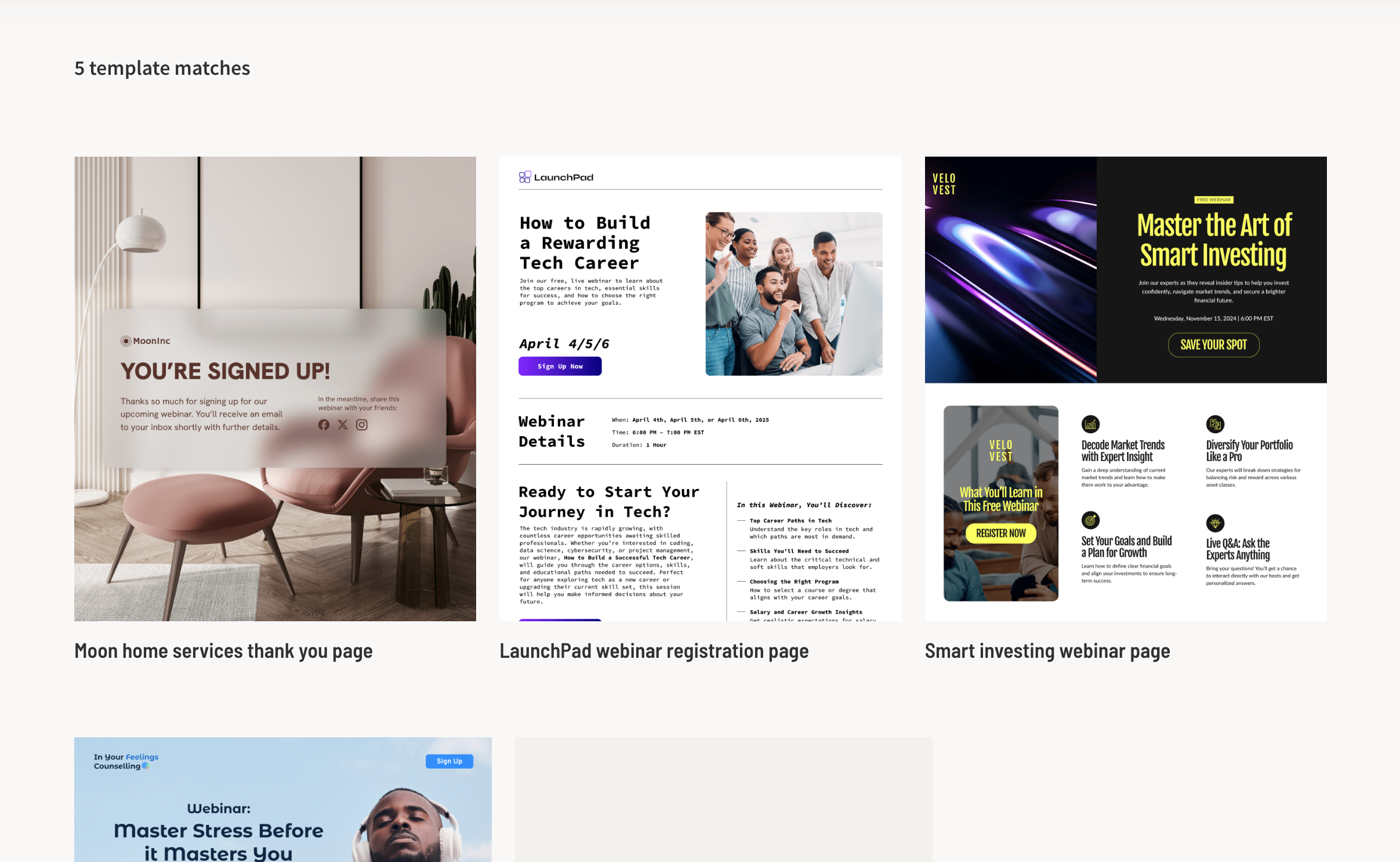
Credit: unbounce.com
Optimization Techniques
Crafting a successful landing page involves clear calls-to-action and engaging headlines. Use compelling visuals to grab attention quickly. Simplify navigation and ensure mobile compatibility for a seamless user experience.
A/b Testing
A/B Testing helps find what works best. Create two versions of your landing page. Test them with real users. Look at which one gets more clicks or sign-ups. Analyze the results. Choose the version that performs better. Repeat tests regularly. This keeps your page updated and effective.
Seo Best Practices
Use keywords wisely. Place them in the title and headers. Write clear and simple content. Meta descriptions help search engines understand your page. Use alt text for images. This improves visibility. Make sure your URL is clean and easy to read. Backlinks from trusted sites boost your rank.
Load Speed Improvement
Fast pages keep visitors happy. Compress images to reduce size. Use browser caching to store data temporarily. This speeds up loading times. Minimize HTTP requests by reducing files and scripts. Check your page speed with online tools. Improve where possible. Fast loading enhances user experience.
Analyzing Performance
Good tracking is key for a landing page. Use tools to measure traffic. This shows how many visit your page. Look at the bounce rate. This tells if visitors leave quickly. Check the average time spent on your page too. This shows if they find it useful.
Conversion rates measure how many visitors take action. Actions like signing up or buying. A high rate means your page works well. To improve, test different headlines or images. Small changes can make a big difference.
Ask visitors what they think. Use surveys or feedback forms. Their thoughts help you improve. Happy users mean success. Listen to their ideas. Make changes based on their feedback. This keeps your page user-friendly.
Common Mistakes
Crafting a successful landing page often falls short due to common errors. Overloading content can confuse visitors. Missed call-to-action buttons lead to lower conversions.
Overloading Information
Many landing pages have too much text. This can confuse readers. Keep it simple. Use short sentences. Show the main idea clearly. Avoid long paragraphs. Use bullet points or tables if needed. Readers like clear, easy-to-read content.
Ignoring Mobile Users
Most people use phones for browsing. Many landing pages fail on mobile devices. Make sure your page works well on phones. Test your page on different screen sizes. Use large buttons and easy-to-read fonts. Mobile-friendly design is very important.
Weak Call To Action
Landing pages need a strong call to action. Buttons must be clear. Use action words like “Buy” or “Sign Up”. Make them stand out. Use bright colors. Place buttons where users see them first. A strong call to action leads to more clicks.
Case Studies
Crafting a successful landing page involves clear messaging and a strong call-to-action. Effective design elements enhance user engagement. Case studies provide insights into optimizing layout and content for better conversion rates.
Successful Examples
Many landing pages are very good. They attract users quickly. One example is Dropbox. Their page is simple. It shows clear benefits. Another example is Airbnb. Their page is user-friendly. It highlights key features. Both pages have strong calls to action. These help users decide fast.
Lessons Learned
Simple design works best. Users like clear messages. They need easy navigation. Short forms are better. Long forms make users leave. Strong images catch attention. They keep users interested. Good headlines are crucial. They tell users what to expect. Trust signals help. They build user confidence.
Innovative Approaches
Some pages use videos. Videos explain things quickly. They make content lively. Others use interactive tools. Tools engage users. Users spend more time. Chatbots offer quick help. They solve problems fast. Personalization is key. It makes users feel special. Unique designs stand out. They make pages memorable.
Credit: www.zoho.com
Frequently Asked Questions
How Do I Create A Good Landing Page?
Create a clear headline and engaging content. Use strong visuals and a call-to-action. Ensure fast loading speed and mobile responsiveness. Focus on user experience and SEO optimization for better visibility.
What Does A Successful Landing Page Look Like?
A successful landing page has a clear headline, engaging visuals, and a strong call-to-action. It loads quickly, uses concise content, and targets specific keywords. Social proof like testimonials or reviews builds trust. Its design is mobile-friendly and aligns with the overall brand message for maximum conversion.
What Makes A High Converting Landing Page?
A high-converting landing page features a clear headline, compelling visuals, strong call-to-action, concise content, and social proof. It should load quickly and be mobile-friendly. A/B testing helps optimize conversion rates.
What Is The Best Format For A Landing Page?
The best landing page format includes a catchy headline, engaging visuals, concise content, and a clear call-to-action. Ensure mobile optimization and fast loading speed. Use testimonials and trust signals for credibility. Aim for simplicity and focus on the user’s needs to increase conversions.
Conclusion
Creating a successful landing page requires focus and clarity. Start with a clear goal in mind. Understand your audience’s needs and preferences. Use simple language to communicate your message. Include a strong call to action. Make sure your design is clean and user-friendly.
Test different elements to see what works best. Remember, your landing page is a bridge to your goals. Keep it straightforward and engaging. With these tips, you can build a landing page that converts. Success is just a few steps away.
Happy building!


