
Imagine your website as a bustling city. Each page is a different neighborhood, and your landing page is the city square.
It’s where your visitors first gather, deciding whether to explore further or move on. Creating an enticing landing page is crucial to capturing interest and turning casual visitors into engaged followers or customers. Think about it: You have mere seconds to make a lasting impression.
How do you ensure your landing page grabs attention and holds it? This article is your guide to crafting a landing page that not only attracts but also retains visitors, driving them to take the action you desire. We’ll delve into the psychology of design, the art of persuasive copy, and the strategy of seamless navigation—all tailored to help you succeed. Your landing page is more than just a digital entryway; it’s a powerful tool in your marketing arsenal. Let’s unlock its potential together.
Crafting The Perfect Headline
A strong headline is like a magnet. It grabs attention quickly. People decide fast if they want to read more. A good headline can increase visitors. It sets the tone for the rest of the page.
- Keep it short and clear.
- Use simple words.
- Make it relevant to your content.
- Include keywords for better search ranking.
- Ask a question to engage readers.
- Use numbers to make it specific.
Design Principles
Visual hierarchy helps guide the visitor’s eyes. Important elements should stand out. Use large fonts for main headings. Bold the key points. Images can draw attention too. Place them near text that matters. Arrange content from top to bottom. Most crucial at the top. White space is your friend. It separates content. Makes reading easy. Simple layouts work best. Avoid clutter.
Colors can affect mood. Blue feels calm. Red grabs attention. Use them wisely. Background color should not hurt eyes. Contrast is vital. Text must be easy to read. Consider your brand colors. They build identity. Consistent color scheme helps. Too many colors confuse. Keep it simple. Choose colors that support your message.
Compelling Call To Action
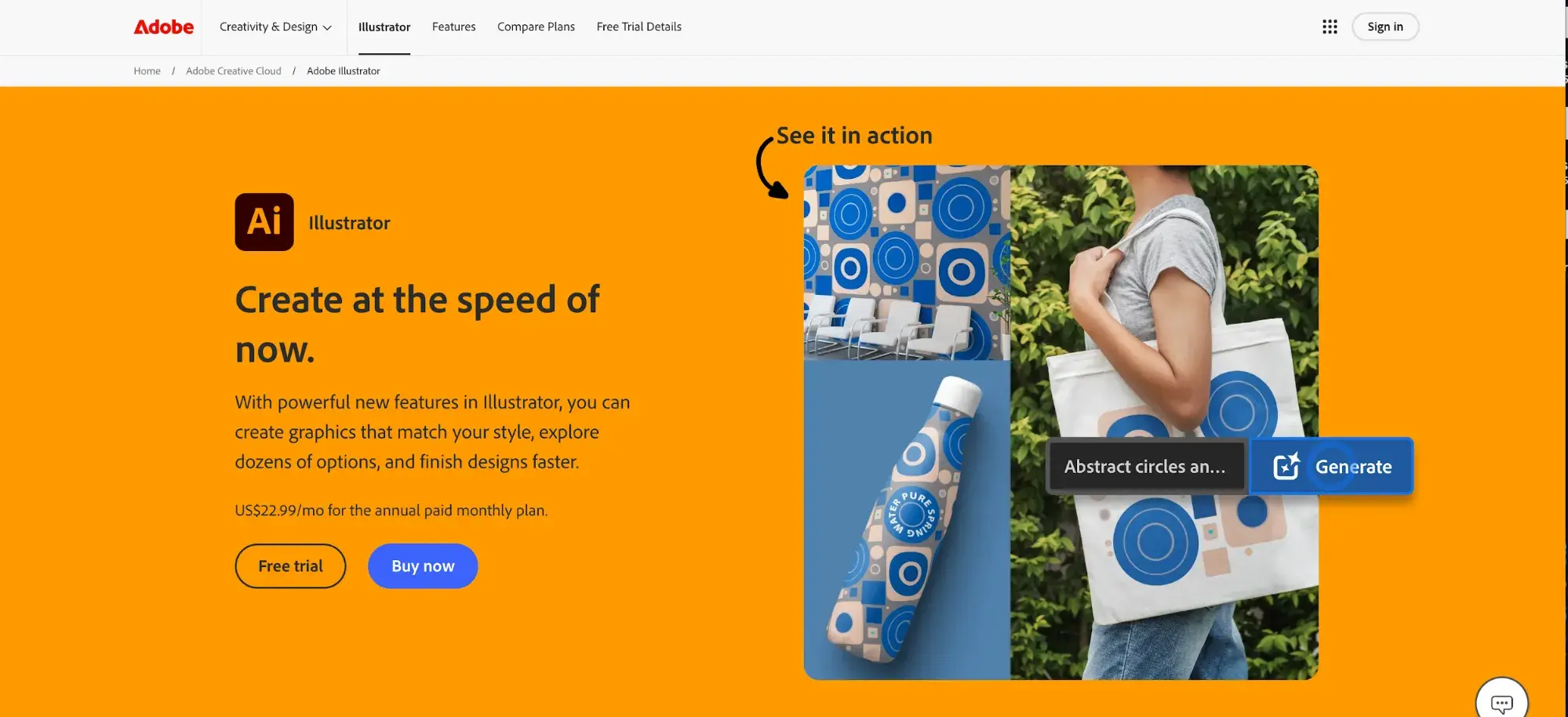
The call to action should be easy to find. Place it at the top of the page. Also, repeat it at the bottom. This way, users can see it quickly. Use buttons to make it stand out. A bright color helps it pop. Make sure the text is clear.
Use simple words for your call to action. Say things like “Buy Now” or “Sign Up.” These phrases tell users what to do. Keep it short. Just two or three words is best. Action words make users want to click. Make them feel excited and ready.
Credit: neilpatel.com
Value Proposition
Customers need to know why your product is good. Highlight benefits clearly. Make them simple and direct. Use short sentences. Benefits should be easy to understand. Keep it concise. Use friendly language. Explain how it helps the user. Focus on the user’s needs. Create a connection.
Stand out with unique selling points. Show why your product is special. Use clear words. Differentiate from others. Explain what makes it better. Capture attention with unique features. Highlight special aspects. Engage the reader. Make it memorable. Emphasize what sets you apart. Build trust with facts.
Utilizing Testimonials
Trust makes people feel safe. Testimonials can help build this trust. Real people share their positive experiences. This makes others feel confident in the service.
A good testimonial shows how a product helped someone. It answers questions like, “Did it work well?” and “Was it easy to use?” These stories show that a product is reliable. They make people want to try it too.
Success stories show how a product changed someone’s life. They tell a story that many can relate to. Simple words make these stories easy to understand.
People love to read about success. It gives them hope. Success stories show that change is possible. They inspire others to take action. This makes the landing page more enticing and effective.
Credit: www.zoho.com
Mobile Optimization
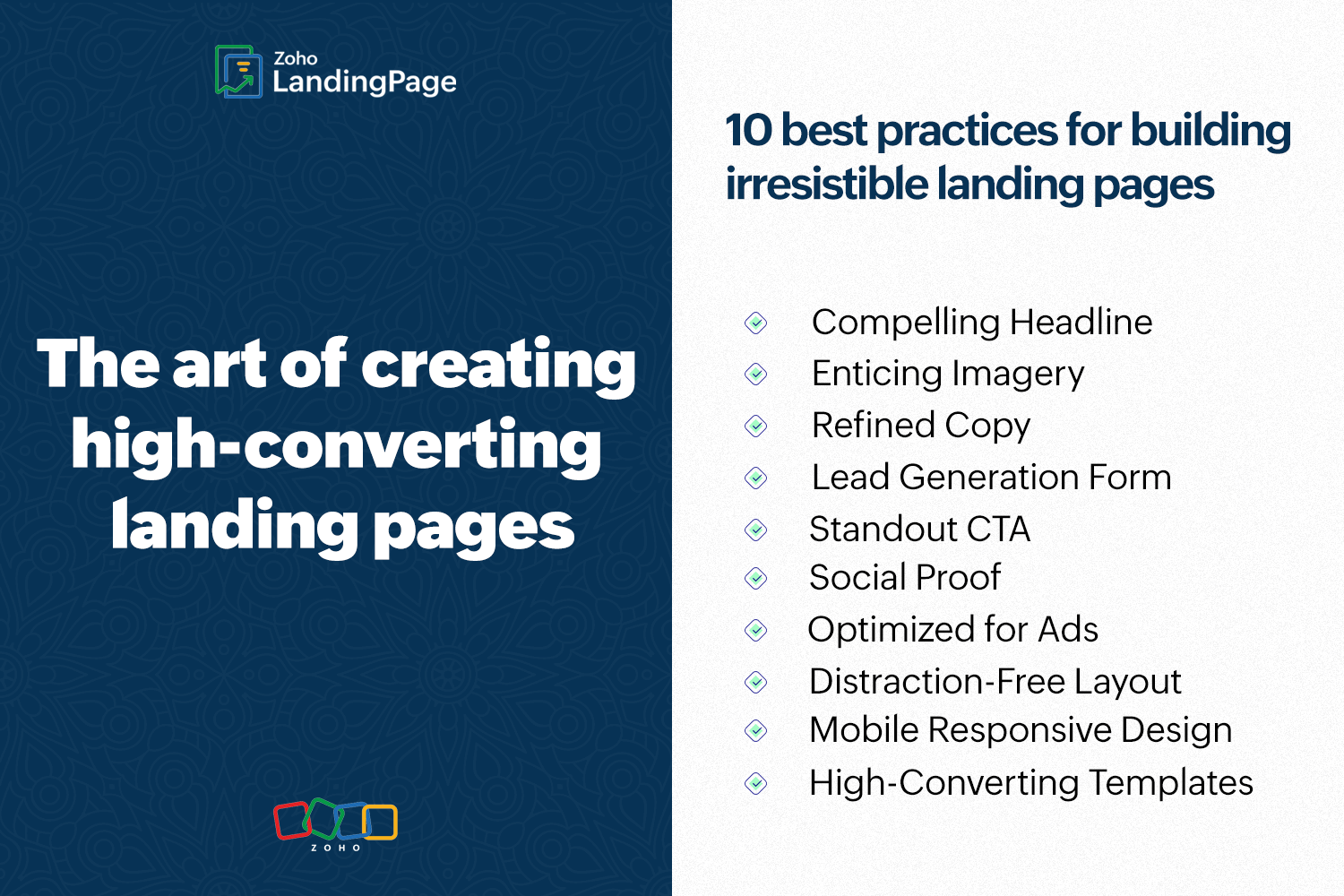
A responsive design makes a page look good on all devices. This means your landing page will look nice on a phone, tablet, or computer. The text, images, and buttons will fit well on any screen size. It’s important for a better user experience. Users can read and navigate easily. They won’t need to zoom in or scroll sideways. This keeps visitors happy and engaged. A happy visitor is more likely to click and stay.
Good user experience is key for a landing page. Users should find what they need fast. Information should be clear and easy to read. Buttons should be easy to click. Use colors and fonts that are pleasing to the eyes. Keep the page load time short. A fast page keeps users from leaving too soon. Organize content well. Let users find things without getting lost.
A/b Testing Strategies
Test different colors on your buttons. Change the words on these buttons too. Try different pictures on your page. Make small changes to your text. See which works best. These small tests can help a lot. Use different headlines. See how they affect visitors. Each change can show new results. Always be ready to learn. Testing is key.
Look at the numbers after testing. Which version did better? Check the bounce rate. Did people stay longer? See if clicks increased. A good test shows clear results. Compare the data from each test. Use these results to make changes. Keep testing and learning. It’s a cycle that helps improve. Make small steps to big success.
Seo Considerations
Choose the right keywords for your landing page. These words should be easy and clear. Put the main keyword in the title and first paragraph. This helps search engines find your page. Use keywords naturally. Do not stuff them everywhere. It can make your page hard to read.
Meta tags and descriptions are important too. They tell search engines what your page is about. Use the main keyword in the meta description. Keep it short and clear. This helps people know what your page offers. They might click to learn more.
Analytics And Tracking
Clear goals help track progress. Decide what you want to achieve. Do you want more sign-ups or sales? Each goal should be specific and easy to measure. Goals guide your decisions. They show if your landing page works well.
Check how your page is doing. Use tools like Google Analytics. It shows how many people visit your page. It also shows how long they stay. Look at the bounce rate. A high rate means people leave fast. Change things if needed. This helps improve your page’s success.
Credit: blog.hubspot.com
Frequently Asked Questions
How To Create An Attractive Landing Page?
Create an attractive landing page by using a clean design with a strong headline. Include engaging visuals, clear call-to-action buttons, and concise content. Optimize for mobile devices and ensure fast loading times. Use social proof like testimonials or reviews to build trust.
What Is A Compelling Landing Page?
A compelling landing page effectively grabs attention and encourages user engagement with clear, concise content. It highlights benefits, features, and includes a strong call-to-action. Visual elements and mobile optimization enhance user experience. Trust indicators like testimonials or reviews build credibility, while fast loading times improve retention and conversion rates.
How Do I Create A High-converting Landing Page?
Create a high-converting landing page by using clear headlines, engaging visuals, and concise copy. Include a strong call-to-action. Optimize for mobile and ensure fast loading times. Use social proof and testimonials to build trust. Regularly test and refine elements for improved conversions.
What Does A Good Landing Page Look Like?
A good landing page is visually appealing and has a clear headline. It includes strong calls-to-action and concise, engaging content. Fast loading speed and mobile optimization enhance user experience. Trust indicators like testimonials and security badges boost credibility. Effective SEO practices improve search visibility and drive traffic.
Conclusion
Creating an enticing landing page draws visitors and boosts conversions. Focus on clear, simple design. Highlight key benefits prominently. Use engaging visuals to capture attention. Keep text concise. Make sure buttons are easy to find. Use contrasting colors for better visibility.
Test your page regularly. Optimize for mobile devices. Make loading times fast. Keep forms short and straightforward. Encourage action with strong calls-to-action. Always keep your audience in mind. Understand what they seek. Implement these tips for a more effective landing page.
Watch as your engagement grows steadily. A good landing page is crucial for success.


