Imagine you’ve just finished writing your new book. You’re excited to share it with the world, but there’s one crucial step left: crafting a compelling landing page.
This is where you connect directly with potential readers, capturing their interest and persuading them to dive into your latest masterpiece. Designing an effective landing page isn’t just about aesthetics; it’s about understanding what makes people tick. By tapping into the principles of neuromarketing, you can create a page that not only looks great but also speaks to the desires and emotions of your audience.
Are you ready to learn how to transform curiosity into conversion? Let’s explore how you can design a landing page that showcases your new book and captivates your readers from the very first glance.
Purpose Of A Landing Page
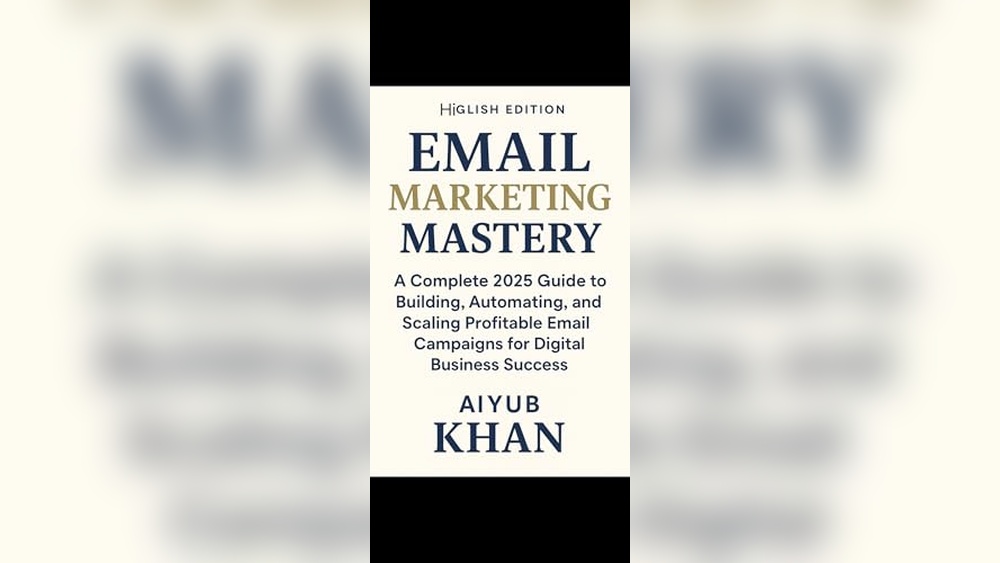
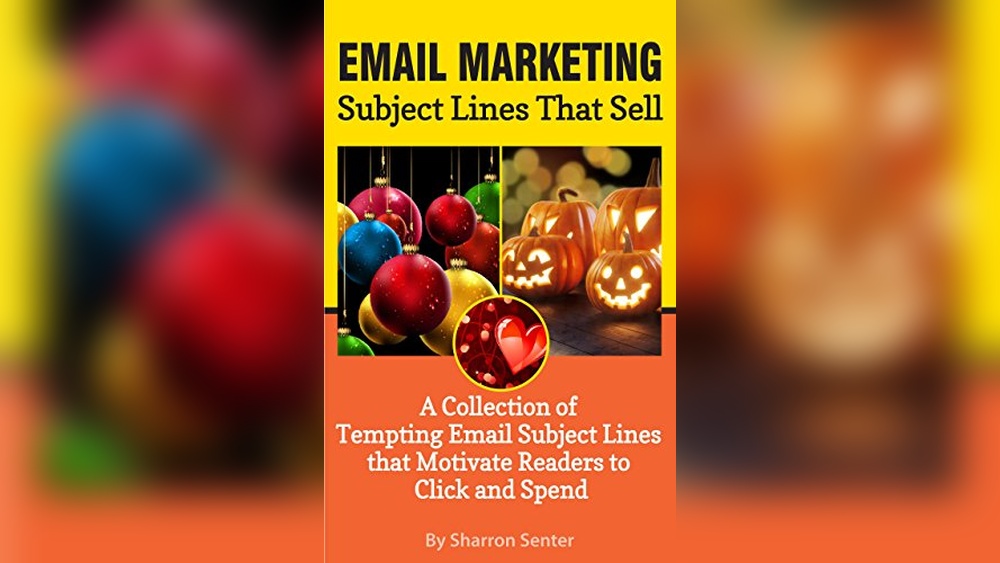
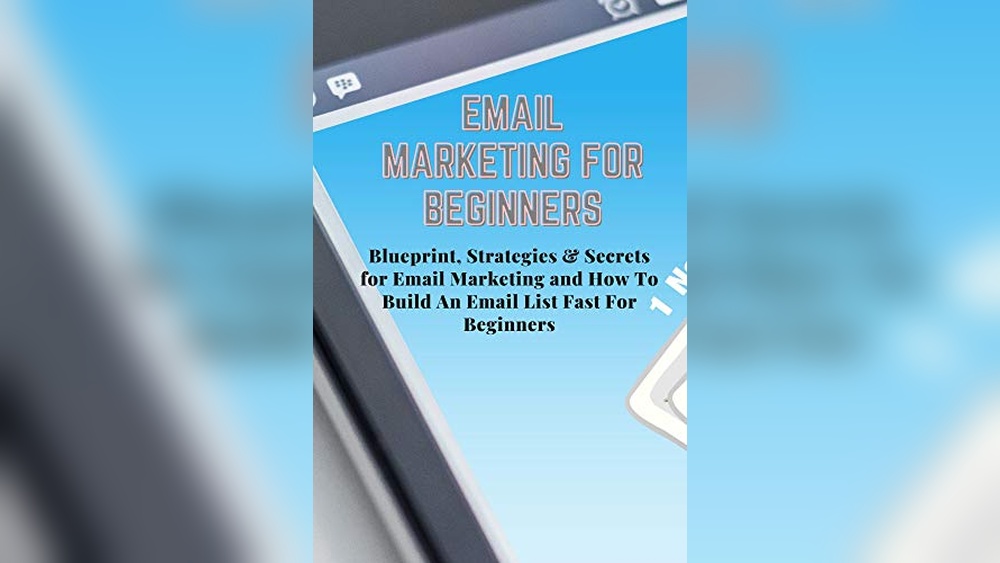
A landing page must grab attention fast. Use a bold headline to do this. The headline should tell what the book is about. Use a clear image of the book cover. This helps visitors know more about the book. Keep the design simple and clean. Use bright colors to highlight key points. Add a short video or animation. This can help keep people on the page longer.
The main goal is to make visitors take action. Use a clear call-to-action (CTA) button. The button text should be short and clear, like “Buy Now” or “Learn More”. Place the CTA button in a spot that’s easy to see. Offer something free, like a chapter preview. This can encourage people to sign up or buy. Make sure the page loads quickly. Slow pages can make visitors leave.
Defining Your Audience
Start by thinking who will read your book. Children, teens, or adults? Each group has different likes. Children enjoy pictures and fun stories. Teens like exciting and relatable tales. Adults prefer deeper topics. Knowing this helps in designing a page they like. Age, interests, and hobbies matter. These details make your page more attractive.
What do your readers need from your book? Fun, knowledge, or inspiration? Think about their problems or desires. A good book meets these needs. This helps in crafting messages on the page. Ask, what will make them happy? Use simple words and clear messages. This way, readers understand quickly. They feel connected to your book. A happy reader means a successful landing page.
Crafting Compelling Content
A headline is the first thing readers see. It needs to grab attention. Use short and clear words. Make it exciting and relevant to the book. Ask a question or use a powerful phrase. Keep it simple but catchy. This will make readers curious to know more.
Use simple words to explain the book. Tell why the book is special. Make the reader feel something. Use a friendly tone. Each word should have a purpose. Short sentences keep the reader engaged. Be honest about what the book offers.
Point out the best parts of the book. Use bullet points to list features. Make each feature sound interesting. Explain why these features matter. Keep it easy to read. Features can include the book’s length, genre, or unique plot. Let readers see the value in your book.
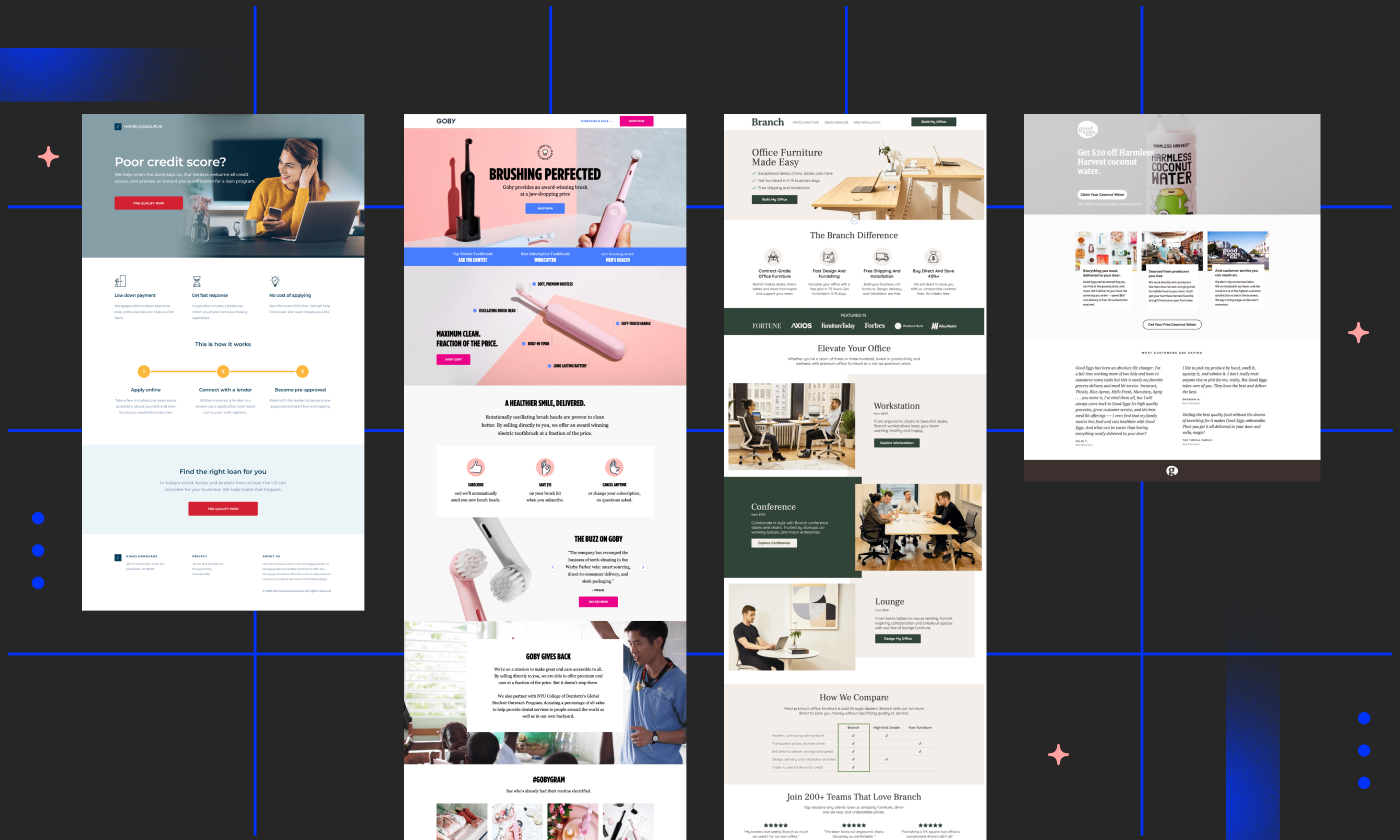
Credit: unbounce.com
Visual Design Elements
Colors grab attention. Choose colors that fit your book’s theme. Bright colors excite. Soft colors calm. Use colors that match your book’s mood. Contrast helps text stand out. Balance colors for a pleasing look. Too many colors confuse. Stick to two or three main colors.
Fonts tell a story. Choose fonts that match your book’s style. Fancy fonts for fantasy books. Clean fonts for science books. Fonts should be easy to read. Avoid tiny fonts. Mix fonts wisely. Large fonts for headings. Smaller fonts for body text.
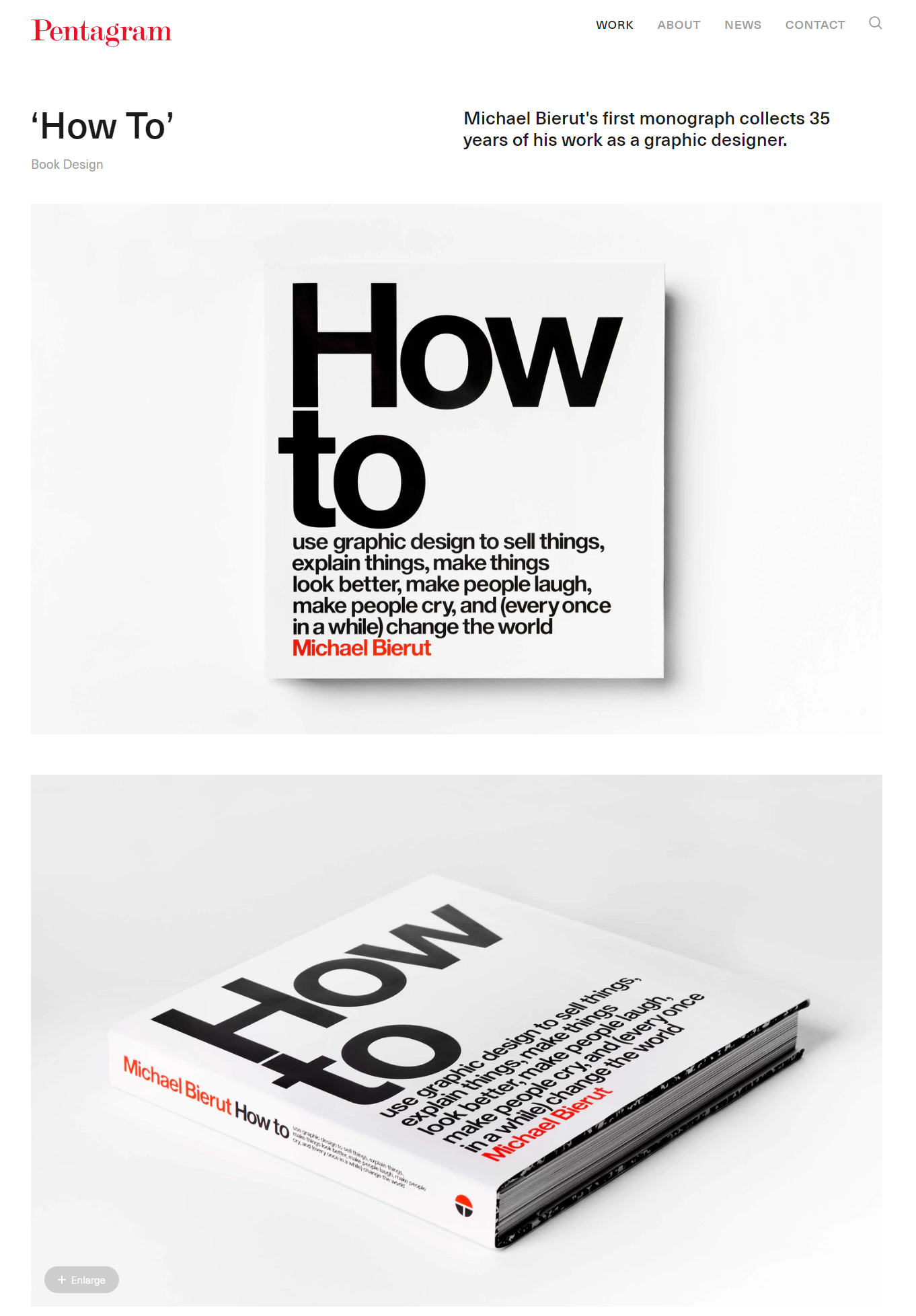
Images speak louder than words. Use images that fit your book’s theme. High-quality images attract readers. Avoid blurry images. Show the book cover. Add images of characters or scenes. Images should feel real. Place images near related text. Balance text and images for a clean look.
Call To Action Strategies
Crafting an effective landing page for a new book involves clear call-to-action strategies. Use simple, direct language to guide readers. Encourage clicks with bold buttons and concise prompts like “Buy Now” or “Learn More. “
Designing Effective Buttons
Buttons should be easy to see. Use bright colors for them. Text on buttons must be clear and short. Words like “Buy Now” or “Learn More” work well. The size of the button should be just right. Not too big or too small. Make sure the button stands out on the page. Use a different color from the background.
Placing Ctas Strategically
Place CTAs where users can see them easily. At the top of the page is a good spot. Also, put one near the middle of the page. Users should not scroll too much to find them. Use white space around CTAs to draw attention. This makes them pop on the page. Avoid placing CTAs too close to other buttons.
Social Proof And Testimonials
Reviews tell people what others think. They help make choices. Good reviews make books look better. Put reviews from readers on the page. Show lots of reviews. Use quotes that say nice things. People trust real reviews. They make books seem good.
Endorsements come from famous people. They help sell books. Show who likes the book. Use names people know. It makes the book special. Share why they like it. People listen to famous voices. It builds trust in the book.
Optimizing For Mobile Users
Crafting a landing page for a new book involves ensuring it is mobile-friendly. Focus on responsive design for easy navigation. Highlight key elements like book cover, synopsis, and author information to engage users swiftly.
Responsive Design
Every screen is different. Responsive design adapts to all sizes. Phones, tablets, and desktops. Your landing page should look good on each one. Make sure images fit well. Text should be easy to read. Buttons must be clear and clickable. Keep it simple. Avoid clutter. This helps users stay focused.
Mobile-friendly Navigation
Good navigation is vital. Menus should be easy to use. Simple words work best. Keep items to a minimum. People use fingers, not a mouse. Make sure links are spaced apart. Users should find what they need quickly. Fast navigation keeps them happy. They will stay longer. This helps your book page succeed.
Seo Techniques For Visibility
Keywords help people find your page. Pick words related to your book. Add these words to your page title. Use them in headings and text. Make sure they fit naturally. Keyword stuffing is not good. People can tell when it is forced. Write for humans, not just search engines.
Fast pages keep visitors happy. Large images slow down pages. Compress images before uploading. Use simple designs. Avoid too many elements. Minimal is often best. Check your page speed often. Tools like Google’s PageSpeed Insights can help. Make changes if the page is slow.
Analytics And Tracking
Designing a landing page for a new book involves effective analytics and tracking. These tools help understand visitor behavior, enabling data-driven optimizations. Better insights lead to improved engagement and conversion rates.
Setting Up Analytics Tools
Set up analytics tools to track your landing page. These tools help you understand user actions. They tell you how visitors interact with your page. Google Analytics is a popular choice. It’s free and offers many features. You can see where visitors come from. You can know how long they stay. This data helps improve your page.
Monitoring User Behavior
Monitoring user behavior is crucial. It shows what users like or dislike. Heatmaps reveal where users click most. Session recordings let you watch user journeys. This info helps make better design decisions. Always review data regularly. It keeps your page user-friendly.
Credit: blog.wishpond.com

Credit: business.tutsplus.com
Frequently Asked Questions
How Do I Create A Landing Page For Selling?
To create a selling landing page, focus on a compelling headline, clear benefits, and a strong call-to-action. Use engaging visuals, ensure fast loading times, and optimize for mobile. Collect testimonials and reviews to build trust. Utilize SEO strategies for better visibility and monitor performance regularly.
How To Create A Landing Page For Beginners?
To create a landing page, choose a simple design. Use a clear headline and engaging visuals. Include a strong call-to-action. Ensure mobile responsiveness and optimize for fast loading. Utilize tools like WordPress or Wix for easy setup.
How Do You Structure A Landing Page?
A well-structured landing page includes a compelling headline, clear value proposition, engaging visuals, concise content, and a strong call-to-action. Ensure fast loading speed, mobile optimization, and easy navigation. Use testimonials or social proof to build trust and include relevant keywords for SEO optimization.
What Are The Three Types Of Landing Pages?
There are three types of landing pages: click-through, lead generation, and sales pages. Click-through pages guide visitors to another page. Lead generation pages collect visitor information through forms. Sales pages aim to convert visitors into customers by providing detailed product or service information.
Conclusion
Designing a landing page for your new book requires careful thought. Focus on clear headlines and engaging visuals. Ensure your call-to-action is prominent. Use testimonials to build trust. Keep the design clean and easy to navigate. Test different elements to see what works best.
Remember, your landing page should reflect your book’s essence. With these tips, you’ll create a compelling landing page. One that captures attention. And encourages readers to explore your book further. Keep it simple and direct. Success lies in clear communication and engaging content.