
Imagine visiting a website that grabs your attention from the very first glance. The colors are striking, the headlines speak directly to your needs, and before you know it, you’re clicking through to learn more.
This is the magic of a well-designed landing page. But how do you create one that captivates your audience and drives them to action? Designing the content of a landing page is more than just arranging text and images. It’s about understanding what makes your visitors tick and crafting an experience that resonates deeply with them.
You want to keep them engaged, make them curious, and ultimately, encourage them to take the next step. Whether you’re selling a product, offering a service, or simply sharing valuable information, your landing page is the gateway to achieving your goals. You’ll discover practical tips and tricks to design a landing page that stands out. You’ll learn how to use neuromarketing insights to tap into the subconscious desires of your audience. By the end, you’ll have the tools to create a landing page that not only looks great but also converts visitors into loyal customers. Ready to transform your landing page content into a powerful marketing tool? Let’s dive in!

Credit: landingi.com
Crafting A Compelling Headline
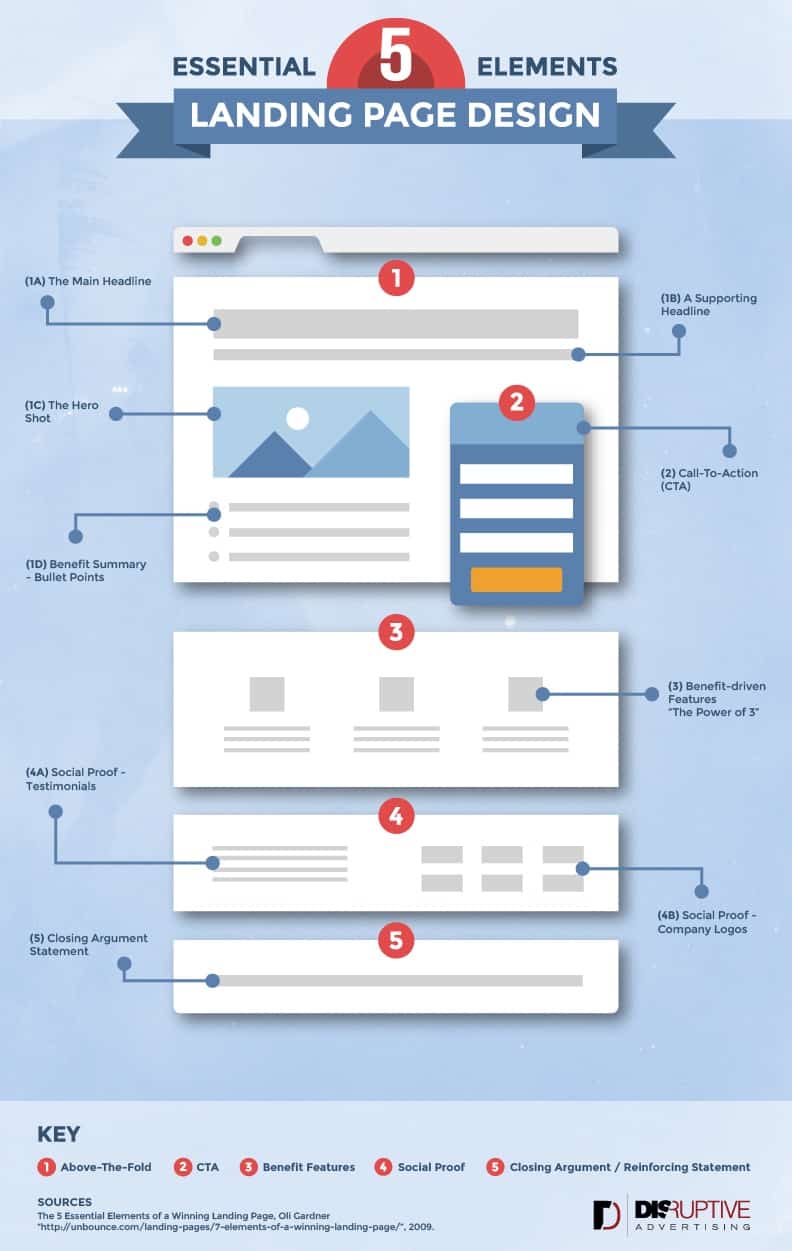
A headline must catch the eye quickly. Use powerful words that stir curiosity. Short headlines work best. Make it bold and clear. Readers must know what they gain. Avoid long and complex sentences. Keep the message simple. Engage the reader from the start.
Show why the content matters. Explain benefits in few words. Highlight unique features or offers. Clarity is key. Readers should see why they need this. Use plain language to describe value. Do not confuse with jargon. Make the headline easy to understand.
Credit: disruptiveadvertising.com
Creating Engaging Subheadings
Subheadings should support the headline. They make the main idea clearer. This helps the reader to understand quickly. Use simple words to keep it easy. Short sentences work best. They help in grabbing attention fast.
Use bold text for key points. It makes important parts stand out. Keep paragraphs short. This makes reading easy. Lists can also help. They break up the text. White space is your friend. It makes the page look neat. Avoid long blocks of text.
Utilizing Effective Visuals
Images speak loudly. Relevant images tell a story. They show what the text says. Choose images that match the message. Pictures should be clear. High quality. They need to grab attention. Images should be simple. Easy to understand. Make sure they fit the page style. Avoid clutter. No confusion.
Videos engage users. They can explain complex ideas. Use short videos. Keep them to the point. Make sure they load fast. No buffering. Videos should be friendly. Easy to follow. Use subtitles if needed. They should not distract. Videos must add value. Help the user understand better.
Writing Persuasive Copy
Highlight the benefits of your product or service. Explain why it helps the reader. Use simple words. Keep sentences short. Directly show how it makes life better. Benefits should be clear. Avoid jargon. Use examples if needed. Make it relatable. Speak to the reader’s needs. Benefits create interest. They drive action.
Clarity is key. Use clear language. Avoid long sentences. Short sentences are easier to read. They help understand the message. Clarity keeps the reader engaged. Use simple words. Be direct. Avoid confusing phrases. Ensure each sentence is easy to understand. Clarity builds trust. It encourages action.
Designing Call-to-action Elements
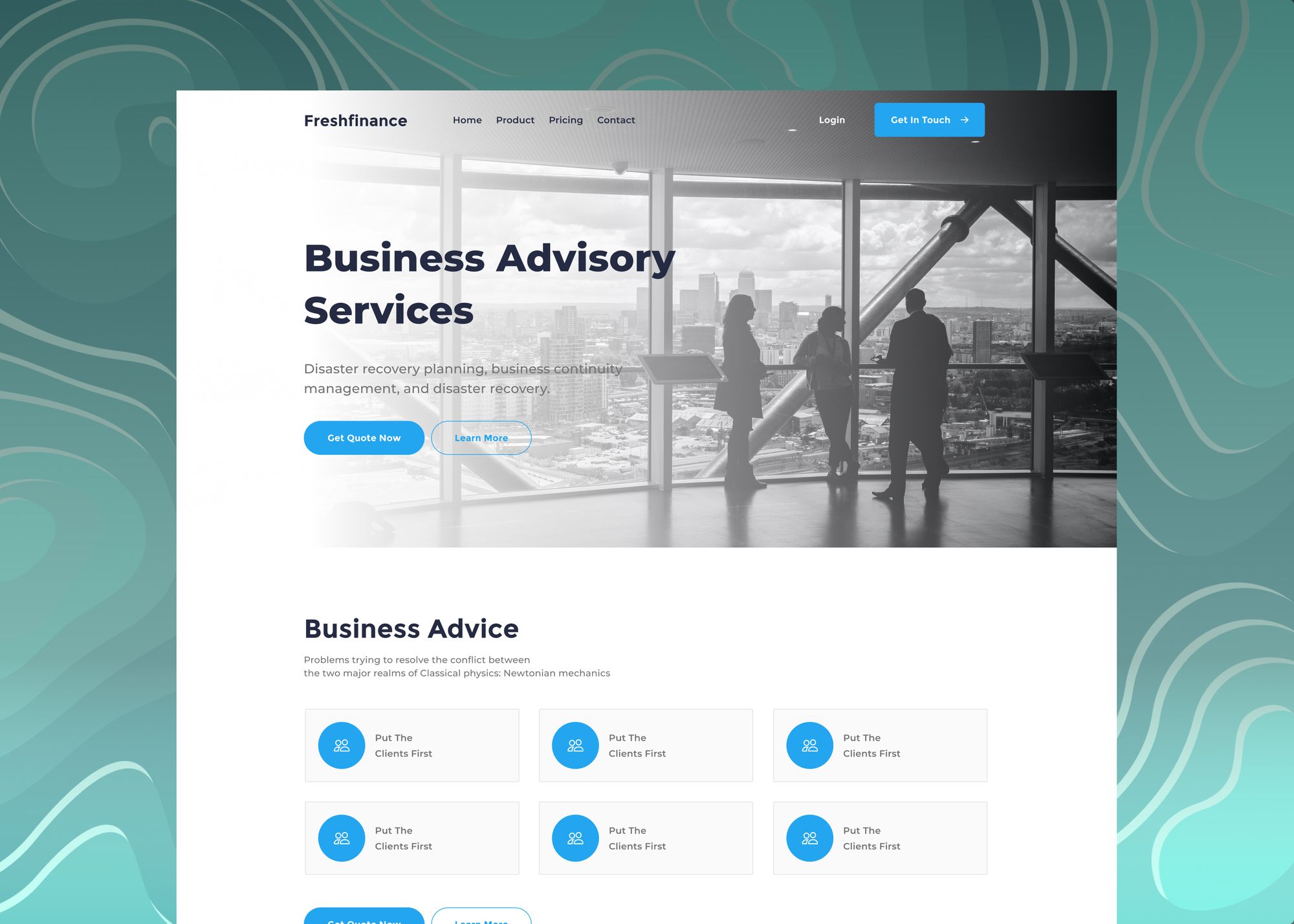
Placing the call-to-action (CTA) in the right spot is key. Top of the page works well. Bottom of the page can also be effective. Make sure users see it easily. Use colors that stand out. A bold button grabs attention fast. Avoid clutter around the CTA. Users should focus on the main action. Test different spots to find the best one.
Strong verbs make the CTA powerful. Words like “buy,” “get,” or “start” work well. They tell users what to do. Keep the language simple and direct. Too many words can confuse users. Short phrases are more effective. Use positive words that promise a benefit. This makes users excited to click. Clear CTAs lead to more action.
Credit: www.captain-design.com
Building Trust With Testimonials
Testimonials help people trust your landing page. They show real customer stories. It feels real when someone else says it. Use quotes from happy customers. Short and sweet is best. Long quotes can be hard to read. Use names and photos if possible. It makes them feel more real. People like to see real faces.
Highlighting Customer Success
Show how your product worked for others. Share success stories. Make them easy to understand. Did someone save money or time? Highlight that. Did someone feel happy with your product? Share their story.
Including Credible Sources
Use sources that people trust. Like news sites or experts. Make sure to mention them. It gives more weight to your page. People believe it if trusted sources say so. Use links to these sources. It makes your page strong.
Optimizing For Mobile Devices
Responsive design makes your page look good on all devices. It changes the layout based on screen size. Phones, tablets, and computers all need different setups. Use flexible grids and layouts. Images should be fluid, not fixed. This helps them fit any screen. Text should be easy to read. Large enough for small screens. Buttons need to be big enough to click. No tiny links that are hard to tap.
Content should be simple and clear. No long blocks of text. Break it into smaller parts. Use short sentences. Make it easy to scan. Bullet points help people read faster. They catch important points. Keep only the most important information. Remove anything extra. This helps the page load fast. A fast page keeps people happy. And they stay longer.
Analyzing User Behavior
Analytics tools show how users interact with your page. Google Analytics is a popular choice. It tracks how long users stay. It shows which links they click. This helps understand user interests. Heatmaps highlight where users focus most. They show which areas get the most clicks. Tools like Crazy Egg or Hotjar offer heatmaps.
Check the bounce rate. A high bounce rate means users leave quickly. This signals a need for change. Look at the conversion rate. Low conversion means users are not taking action. This could mean the call-to-action needs work. Feedback forms can also help. They tell you what users think. Surveys are another option. They ask users for opinions. These insights pinpoint where to improve.
Testing And Iterating
A/B tests help find the best content. Make two versions of a page. Change one thing only. Check which works better. Use this to get more visitors. It is like a small experiment. Keep doing it to learn more.
Content strategy is important. Use clear words. Make it simple. Change things if needed. Listen to feedback. Ask friends or family. They can help. Improve step by step. Keep it fresh and updated. Always aim for better.
Frequently Asked Questions
How To Create Content For A Landing Page?
Craft a compelling headline and engaging subheadings. Use concise, persuasive copy with clear calls-to-action. Incorporate relevant keywords naturally. Include images or videos to enhance engagement. Ensure mobile-friendliness and fast loading times for better user experience.
How Do You Structure A Landing Page?
A landing page should include a clear headline, concise subheadline, engaging visuals, and a strong call-to-action. Highlight benefits, use bullet points for easy reading, and ensure mobile-friendliness. Incorporate testimonials or social proof for credibility. Optimize for SEO with relevant keywords and a fast-loading design.
How Do I Create A Landing Page Design?
Start by defining your goals and audience. Choose a clean layout with a strong call-to-action. Use engaging visuals and concise copy. Optimize for mobile and load speed. Test and refine for performance.
What Should You Include On A Landing Page?
Include a clear headline, compelling subheadings, and engaging visuals. Add concise, persuasive copy with a call-to-action. Use testimonials or reviews for credibility. Ensure fast loading speed and mobile optimization.
Conclusion
Crafting an effective landing page boosts engagement and conversions. Simplicity is key. Use clear, concise headlines. They grab attention quickly. Include persuasive calls to action. Guide visitors toward desired actions. Visual elements should complement the message. Avoid clutter. Ensure fast loading times.
This keeps users engaged. Test different elements regularly. See what works best. Remember, the goal is to communicate effectively. Keep the visitor’s needs in mind. Good design makes navigation easy. Use these tips to create a compelling landing page. Your efforts will pay off with better results.


