Creating a captivating landing page for your tech startup is more than just a design challenge; it’s your gateway to converting curious visitors into loyal customers. Imagine this: you’ve managed to capture someone’s attention in the crowded digital landscape, but what happens next?
Your landing page content is crucial. It’s the first impression, the handshake, and the conversation starter all rolled into one. You might wonder, what exactly should this page say? How do you ensure it resonates with your audience? The truth is, your landing page needs to be a well-crafted story that speaks directly to your potential clients, addressing their needs and sparking their interest.
You’ll discover the essential content elements your tech startup landing page must include to engage your audience, build trust, and drive action. Stick around, because unlocking this secret could be your startup’s game-changer.
Value Proposition
Every tech startup needs strong points. These points make them special. Unique selling points are key. They show why your service is better. They tell people what makes your product great. They make your brand stand out. Customers notice these points first. They help them choose your service. Clear and catchy points work best. Use simple words. Make it easy to read.
Benefits make a product valuable. They answer the question, “What’s in it for me?” Customer benefits show how your product helps users. They explain why your service is useful. Benefits can be saving time or money. They can be making life easy. Benefits should be clear. They need to be easy to understand. Keep them short. Use simple language. Make sure they are true.
Hero Section
The headline is the first thing visitors see. It must grab attention fast. Use simple and clear words. Make sure it tells what your product is. Keep it short and sweet.
The subheadline gives more info. It supports the main headline. Explain the product’s benefit here. Why should visitors care? Use easy words to make it clear.
The call to action is crucial. Encourage visitors to act. Use words like “Sign Up” or “Learn More”. Keep it bold and visible. Make it stand out on the page.
Product Features
Our product offers essential tools for your tasks. With fast processing, you can save time. The interface is user-friendly. Easy navigation helps you find what you need. Security is a priority. Your data stays safe. We provide customizable settings. Adjust features to fit your needs. Compatibility is key. Works on multiple devices. Enjoy seamless integration with other apps.
Experience a smooth workflow with our design. Every button is easy to find. Bright colors guide you through tasks. Helpful tips pop up when you need them. Feedback is quick. Know what’s happening in real-time. Responsive design adapts to screen sizes. Use it on phones or computers. Enjoy a consistent experience. Our product listens to your feedback. Updates improve your experience. Every detail is crafted for ease of use.

Credit: www.figma.com
Customer Testimonials
Customer testimonials build trust on a tech startup landing page. They offer real experiences that potential users can relate to. Positive feedback from satisfied customers enhances credibility and encourages new visitors to engage with your product.
User Stories
Customers share their experiences with the product. They talk about how it helped them. These stories are real and honest. Users explain problems they had. They show how the product solved them. These stories build trust with new customers.
Real-life examples make the product relatable. People like reading these. They see themselves in the stories. They think, “This could help me too.” Testimonials make the product more appealing.
Impact Statements
Short statements show the product’s effect. They are clear and direct. These statements highlight benefits. They focus on what the product does well. Customers read them quickly. They understand the value fast.
Impact statements are easy to remember. They stick in the mind. They make the product stand out. They attract attention. They make people want to learn more.
Visuals And Media
Visuals and media bring tech startup landing pages to life. Clear images show products in action. Short videos explain benefits quickly.
Product Images
High-quality images are key for a tech startup page. Clear pictures help users see product details. Use images that show different angles. This way, people understand better. Real-life photos help users relate. Make sure images load fast. Slow loading can make users leave.
Demo Videos
Short videos grab attention quickly. They show how a product works. Simple demos explain features well. People understand more with videos. Use clear voiceovers and subtitles. This helps non-native speakers. Videos should be fun to watch. Keep them under two minutes. Short is better.
Trust Signals
Certifications show your startup is credible. They build trust. Awards make your startup stand out. They prove your quality. These signals help users feel safe. They show your startup is recognized. They matter a lot. Do not forget them.
Partnerships are vital. They show your startup is connected. They build trust with users. Partners add value to your startup. They make your business look stronger. Users trust known brands. Partnerships help users feel secure. They are key to your success.
Contact Information
Support Channels are essential for tech startups. Customers often need help. Offering email support is helpful. It’s easy to use and quick. Phone support can be available. Some customers prefer talking. Live chat support is also great. It’s fast and convenient. Many startups use it. Help pages are useful too. They provide answers to common questions. Customers find them helpful. All support options should be clear. Make them easy to find.
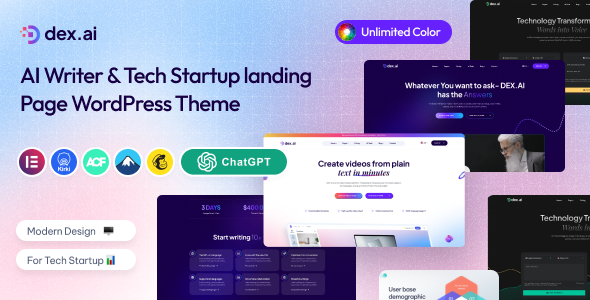
Social Media Links connect you with customers. Facebook is popular. Many people use it daily. Twitter allows quick updates. Share news and tips there. Instagram is good for images. Show your products and team. LinkedIn is for professionals. Connect with business partners. Make sure links are visible. Put them on the landing page. Customers can follow easily. Social media builds community. It helps your startup grow.
Credit: themeforest.net
Blog Highlights
New articles help readers stay updated. They are important for engagement. Fresh content brings more visitors. It builds trust with your audience. Regular updates show your blog is active. Keep articles simple and clear. Use easy words for everyone to understand.
Insights help readers learn about trends. They provide valuable information. Understanding the market is crucial. Share stats and facts clearly. Visual aids can help. Charts or tables make data easy to digest. Simple explanations make complex topics accessible.
Call To Action
Offering a free trial is a smart move. People like trying before buying. Signups should be easy. Use simple forms. Keep fields minimal. Email and name are often enough. Highlight benefits in your trial. Show users what they get. Make them excited to try. Use clear instructions. Guide them through signup.
Newsletters keep users informed. Use them to share updates. Include a subscription box. Place it visibly on the page. Users should see it easily. Explain the value of subscribing. Tell them what they will receive. Tips, news, or offers. Make signing up quick. Simple forms work best. Ask only for email. Keep it straightforward.

Credit: saaslandingpage.com
Frequently Asked Questions
What Content Should Be On A Landing Page?
A landing page should include a clear headline, engaging visuals, persuasive copy, and a strong call-to-action. Highlight benefits, offer testimonials, and ensure fast load times. Use SEO keywords naturally, and maintain a mobile-friendly design to improve user experience and conversions.
What Is Required For A Landing Page?
A landing page requires a clear headline, engaging visuals, compelling copy, a strong call-to-action, and user-friendly design. Include trust indicators like testimonials and ensure mobile optimization. Use analytics tools for performance tracking and A/B testing to refine effectiveness.
How To Build A Startup Landing Page?
Create a clear headline and engaging copy. Include strong visuals and a call-to-action button. Optimize for mobile devices and fast loading. Use testimonials to build trust. Ensure easy navigation and track performance with analytics tools.
Do Landing Pages Need Seo?
Yes, landing pages need SEO to increase visibility and attract more visitors. Optimized content improves search rankings, driving organic traffic. Use relevant keywords, quality images, and engaging titles. Effective SEO boosts conversions and enhances user experience on landing pages.
Conclusion
Crafting a tech startup landing page requires focus. Key elements? Clear messaging and strong visuals. Highlight your unique value. Use simple, engaging language. Capture attention quickly. Include testimonials or case studies. They build trust. Don’t forget a compelling call to action.
Encourage users to take the next step. Mobile optimization is crucial. Many users browse on phones. Keep the design clean and organized. Avoid clutter. Measure success with analytics. Track user behavior and adjust accordingly. A well-crafted landing page can boost engagement.
It can drive conversions too. Remember, simplicity and clarity win.