
Are you curious about how a landing page can transform your blog’s performance? Imagine a tool that effortlessly converts casual visitors into loyal subscribers or even customers.
That’s precisely what a landing page does for your blog. It’s your blog’s first handshake with a reader, the make-or-break moment that decides if they stick around or move on. You’ll discover the essentials of a landing page, why it matters, and how it can dramatically boost your blog’s success.
Ready to unlock the secret weapon for your blog’s growth? Let’s dive in.
Credit: nicepage.com
Purpose Of A Landing Page
A landing page helps bring more visitors to your blog. It catches their attention with clear and interesting information. People find it through search engines or social media links. A good landing page makes them curious. They want to read more. This increases your blog’s traffic.
Landing pages are great for gathering leads. They often have forms for visitors to fill out. Visitors might give their email or name. This helps you connect with them later. You can send them news or updates about your blog. Leads are important for building a community around your blog.
A landing page shows off your best content. It highlights your popular posts and unique ideas. Visitors can see what makes your blog special. It gives them a taste of your writing style. This encourages them to explore more of your blog. Showcasing content builds interest and keeps visitors engaged.
Key Elements Of A Landing Page
Great headlines grab attention fast. They use strong words. They make the reader curious. They hint at the benefit. Short and clear is best. Headlines should be easy to read. They should also stand out visually.
A call-to-action tells the reader what to do. It should be simple. Use words like “Sign Up” or “Get Started”. The button should be easy to find. Use bright colors. Make sure the text is big enough to read.
Visuals catch the eye. Images and videos work best. They should relate to the topic. Use high-quality files. Avoid clutter. Keep it clean and simple. Images should help tell the story.
Design Tips For Effective Landing Pages
Less clutter means more focus. Use lots of white space. It helps to highlight key points. Keep elements minimal and easy to spot. Simple layouts make pages easy to read. Users find what they need fast.
Phones are everywhere. Ensure pages look great on small screens. Buttons should be big enough to tap. Text must be easy to read. Images should load quickly. Mobile-friendly pages keep users happy.
Branding builds trust. Use your brand colors and fonts. Keep the same style everywhere. Logos should be clear and visible. Consistent branding makes pages feel familiar. Users know they are in the right place.
Content Strategies For Engagement
A strong value proposition captures attention. It tells why your content is special. Readers know what benefits they get. This makes them stay longer. A clear message helps in building trust.
Understand who your readers are. Identify their needs and interests. Create content that addresses these needs. Use words they understand. This keeps them engaged and interested.
Speak directly to your reader. Use a friendly tone. Address them as “you”. This builds a connection. They feel the content is for them. Personal touches make a difference.
Analyzing Landing Page Performance
Conversion rates show how well a landing page works. High rates mean good design. It attracts users and makes them act. Low rates suggest changes are needed. Testing different elements helps improve the page. Look at buttons, images, and text. Check what people like. Make adjustments for better results.
User behavior tracking helps understand visitor actions. See where they click or pause. Find pages they leave quickly. Adjust those parts to keep them longer. Use tools like heatmaps. They show popular areas. Improve those spots for better engagement. Understand your audience. Make changes based on their actions.
Feedback is crucial for landing page success. Ask users what they think. Use surveys or comments. Gather their opinions. Make changes based on their feedback. Iterations help refine the page. Test new ideas regularly. Small tweaks can make a big difference. Keep improving the page for better results.
Credit: www.seedprod.com
Tools For Creating Landing Pages
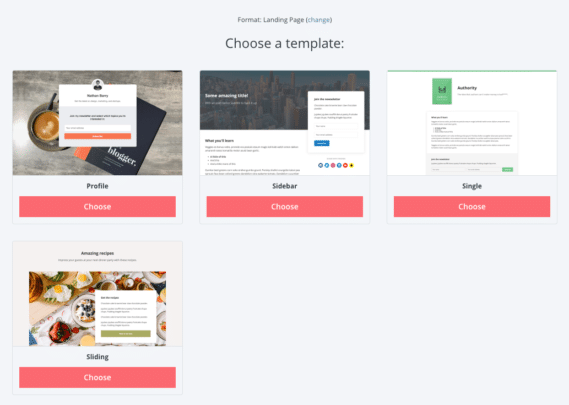
Page builders make landing pages easy. They offer drag-and-drop features. Choose from ready templates. Customize elements as needed. Add text, images, and videos quickly. No coding skills are required. Many page builders have user-friendly interfaces. Popular options include Elementor, Wix, and Squarespace. Each has unique features for different needs.
Analytics platforms help track visitor actions. Understand how users interact with the page. See what works and what doesn’t. Google Analytics is a top choice. It provides detailed reports. Track clicks, bounce rates, and conversions. Use data to improve your page. Make informed decisions based on insights.
A/B testing tools compare different versions of a page. See which version performs better. Test headlines, images, and calls to action. Tools like Optimizely and VWO are popular. They offer easy setups for tests. Improve your page based on real user feedback. Make smart changes to boost results.
Case Studies Of Successful Landing Pages
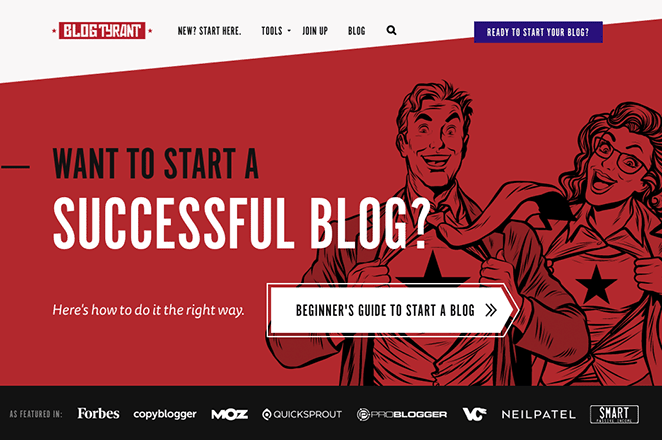
Some blogs have landing pages that shine. They grab attention quickly. One blog uses bright colors. Another uses large images. Both focus on clear messages. Short paragraphs help readers understand fast. Visitors feel welcome and stay longer.
Keep the design simple. Use easy words that everyone knows. Short sentences work best. Visuals are important. They make the page interesting. Strong calls to action guide readers. They tell readers what to do next.
Some blogs try new things. They use videos on landing pages. Videos make pages lively. Interactive elements also help. They engage visitors. Unique designs stand out. These ideas make landing pages special.
Credit: twinsmommy.com
Frequently Asked Questions
What Is The Purpose Of A Landing Page?
A landing page captures leads and promotes specific offers. It drives traffic, boosts conversions, and engages visitors. Its focused design helps users take desired actions, like signing up or purchasing. Optimizing content and layout enhances user experience and increases conversion rates.
It serves as a powerful marketing tool.
What’s The Difference Between A Website And A Landing Page?
A website is a collection of interconnected pages, offering varied content and navigation. A landing page focuses on specific actions, usually for marketing campaigns, with one clear call-to-action. Websites provide comprehensive information, while landing pages aim to convert visitors into leads or customers through concise, targeted messaging.
How To Make A Landing Page On Blogger?
Create a landing page on Blogger by starting a new post. Customize the design using HTML and CSS. Add engaging content and images. Set the post’s visibility to “Static Page” in settings. Publish and link the page to your blog’s menu for easy access.
What Is Required For A Landing Page?
A landing page needs a clear headline, engaging visuals, and a strong call-to-action. Ensure mobile responsiveness, fast loading, and concise content. Utilize social proof and testimonials to build trust. Optimize for SEO with relevant keywords. Collect user data through forms and track performance with analytics tools.
Conclusion
A landing page boosts your blog’s success. It focuses on one goal: conversions. With clear messaging and strong visuals, it grabs attention. Visitors find it easy to navigate. They know what to do next. This page helps grow your audience.
It turns casual readers into loyal followers. Keep it simple and direct. Test and tweak for best results. The right landing page can make a big difference. It strengthens your blog’s impact. So, start creating your effective landing page today.


