Imagine clicking on a link expecting to find exactly what you need, but instead, you end up lost in a maze of irrelevant information. Frustrating, right?
As a business owner or marketer, the last thing you want is for your potential customers to feel this way. This is where landing page designing becomes your secret weapon. It’s all about creating that perfect first impression that captures attention and drives action.
You might wonder, what exactly is landing page designing, and how can it transform your online presence? Stick around, because understanding this could be the key to boosting your conversions and making your digital strategies truly shine.
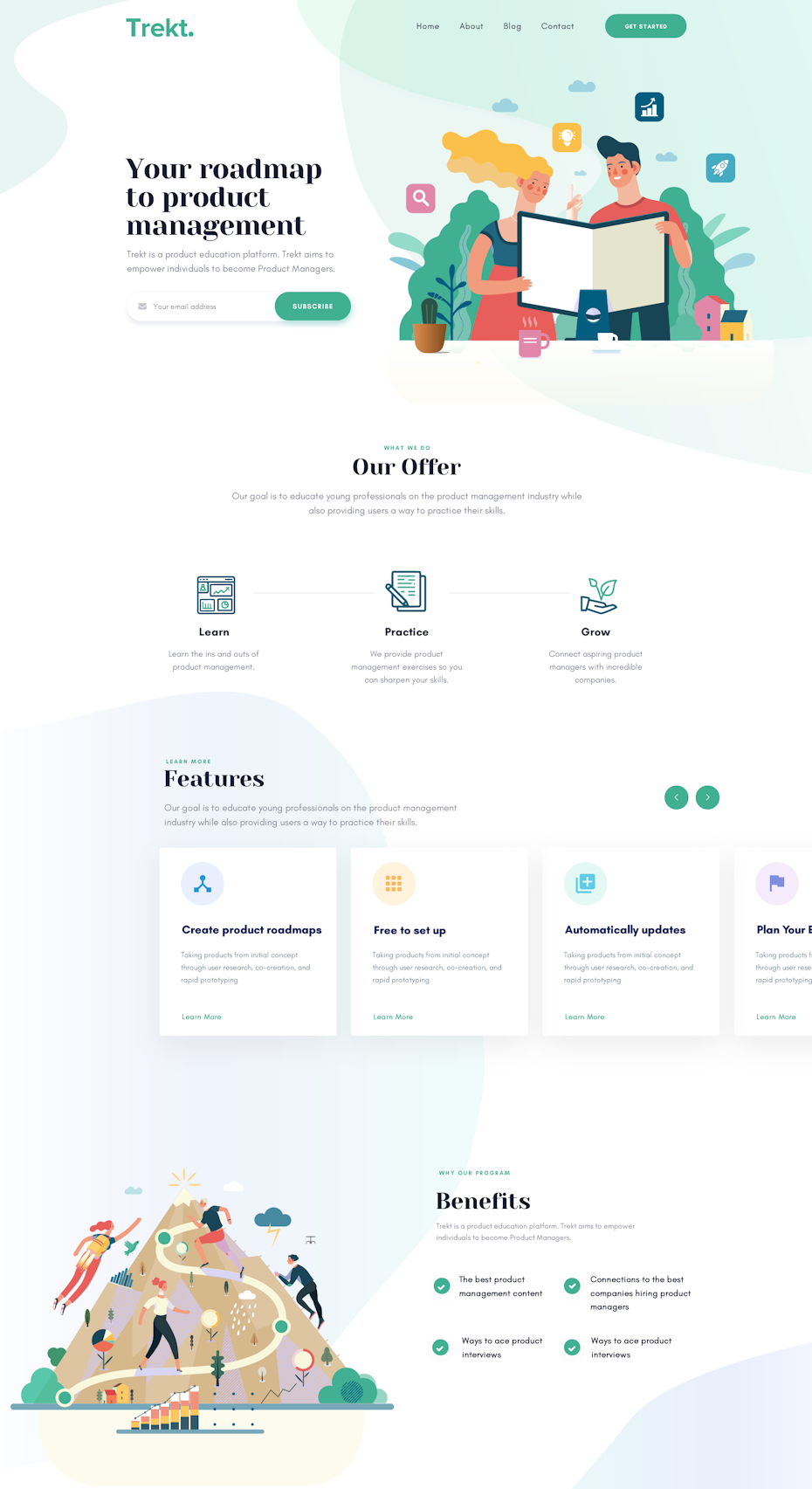
Credit: 99designs.com
Concept Of Landing Page
A landing page is a special web page. It helps visitors take an action. These actions can be signing up or buying a product. Landing pages are not like regular web pages. They have one goal. To guide users to do a specific task.
A good landing page is simple and clear. It uses strong headlines to catch attention. Images help show what the page is about. Sometimes, there is a form to fill out. This is to collect user information. The design should be clean. Not too many words or distractions.
A landing page must load fast. Slow pages make users leave. Colors and fonts should be easy to read. Everything on the page must make sense. Each part must help users complete the task.
Importance In Digital Marketing
A landing page must have a clear message. This helps visitors understand the page’s purpose. Use simple words for better comprehension.
Landing pages can boost conversion rates. They guide visitors to take action. This can be signing up or buying a product.
Engaging the right audience is key. A good landing page attracts the right visitors. It speaks directly to their needs and interests.
A well-designed landing page improves user experience. It should be easy to navigate. Users find what they need without trouble.
Track how visitors interact with the page. Use these analytics to make improvements. This helps in making the page better over time.
Essential Elements
A good headline grabs attention. It tells what the page is about. Use strong words. Make it short and clear. People should understand it right away. A headline should spark interest. It encourages them to read more.
Pictures speak louder than words. Use high-quality images. They should match the content. Videos can also engage users. Graphics make the page look good. They hold the visitor’s attention. Keep the design simple and clean.
A call-to-action tells what to do next. Use actionable words. “Buy now” or “Sign up” are examples. Make the button stand out. Use bright colors. Place it where it is easy to see. The action should be clear and simple.
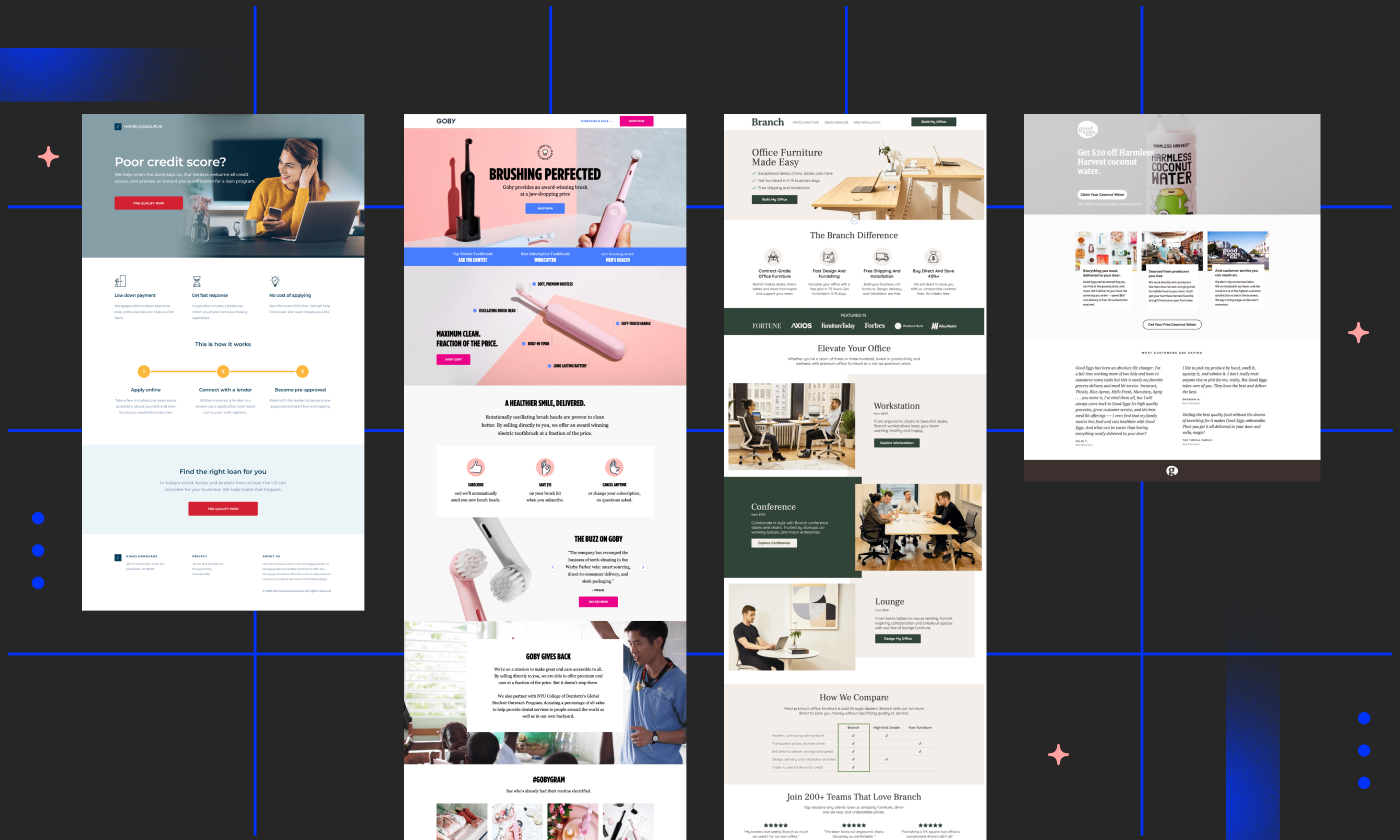
Credit: unbounce.com
Design Best Practices
Every landing page must be mobile-friendly. Many people use phones to browse online. Text and images should fit the screen. Buttons must be easy to click. A good mobile design improves user experience.
Fast loading speed is essential for landing pages. Slow pages make visitors leave quickly. Use small images and avoid heavy files. A quick load keeps users engaged. Speed is key to a successful landing page.
A/B testing helps improve landing pages. Create two versions of your page. See which one performs better. Testing shows what users like. It helps make smarter design choices. Keep testing to find the best design.
Common Mistakes To Avoid
A messy landing page confuses visitors. Too many images or text can be overwhelming. Keep it clean and simple. Highlight the main message. Use white space wisely. This helps guide the visitor’s eyes. Focus on what you want them to see.
A slow page loses visitors fast. Large images or videos can delay loading. Optimize them to load quickly. Fast pages keep visitors happy. They stay longer and explore more.
A CTA tells visitors what to do next. Without it, they might leave. Use clear and bold CTAs. “Click here” or “Sign up now” works well. Make it stand out. Guide them to take action.
Many people use phones to browse. A site must look good on all screens. Test your page on phones and tablets. Ensure buttons are easy to click. Text should be readable without zooming.

Credit: unbounce.com
Tools For Designing
Designing a landing page needs easy tools. Canva is a great choice. It offers many templates. You can drag and drop items. Adobe XD is another option. It helps create interactive designs. Figma is popular among teams. Everyone can work together. Sketch is best for Mac users. It has plugins for better designs. Wix provides simple editing tools. You can make changes fast. These tools help make landing pages look good.
Pick a tool that suits your need. Some tools are free. Others need payment. Using these tools can save time. They make designing easier. With the right tool, your page can attract more visitors.
Real-world Examples
Airbnb uses a simple landing page. It shows beautiful places. Visitors see photos and feel inspired. The page is clean and easy to use. Users find it easy to book rooms.
Spotify also has a great landing page. Bold colors attract attention. The page explains Spotify’s features clearly. Users learn about music streaming. It encourages them to sign up.
Dropbox offers a straightforward landing page. It uses clear messages. Visitors understand file sharing easily. The page is simple and uncluttered. People find it easy to start using Dropbox.
Future Trends
Landing page designing focuses on creating web pages that capture visitor attention and encourage action. Trends include minimalistic designs and fast-loading pages to enhance user experience. Personalization and mobile optimization are crucial to meet evolving user needs and preferences.
Interactive Elements
Interactive elements make landing pages engaging. Buttons, sliders, and forms invite users to click. Engaging pages hold users longer. This increases conversion rates. Movement and animation catch the eye. Users find interactive pages fun. Simple actions can boost interaction. Clicking a button or sliding a bar can feel rewarding. These elements also make content dynamic.
Personalization
Personalization tailors content to the user. It uses data like location and past behavior. Personalized pages feel more relevant. This increases user engagement. Users appreciate when content speaks to them. Relevant content makes users feel valued. Personalization can improve user experience. It creates a sense of connection.
Mobile Optimization
Mobile optimization ensures pages load quickly on phones. Many users browse on mobile devices. Fast loading keeps users engaged. Slow pages make users leave. Responsive design is key. It adapts content to different screen sizes. Mobile-friendly sites attract more visitors. This can lead to more conversions.
Frequently Asked Questions
What Does A Landing Page Designer Do?
A landing page designer creates visually appealing, user-focused web pages to boost conversions and enhance user experience. They optimize design elements, ensure mobile responsiveness, and incorporate compelling calls-to-action. They use SEO techniques to improve search engine rankings and drive targeted traffic.
Their goal is to convert visitors into leads or customers efficiently.
What Is The Meaning Of Landing Page Design?
Landing page design refers to creating a focused web page that encourages visitors to take a specific action. It enhances user experience, boosts conversions, and aligns with marketing goals. Effective design includes clear calls-to-action, engaging visuals, and persuasive content to drive desired outcomes.
What Is The Purpose Of A Landing Page?
A landing page aims to convert visitors into leads or customers. It provides focused information and encourages action. Effective design improves user engagement and boosts conversion rates. Optimized content and clear calls-to-action enhance search visibility. Landing pages streamline marketing efforts and support specific campaign goals.
How Do I Create A Landing Page Design?
Start by selecting a clear goal for your landing page. Use a simple layout with compelling headlines. Include high-quality images and a strong call-to-action. Ensure it’s mobile-friendly and loads quickly. Use A/B testing to optimize performance.
Conclusion
Landing page design is crucial for online success. It grabs attention quickly. Clear, simple layouts work best. Engage users with striking visuals. Effective headlines matter. They guide readers. Strong calls to action drive conversions. Every element should support your goal.
Keep mobile users in mind. Test and optimize regularly. Small changes can boost results. Listen to user feedback. Focus on their needs. Landing pages are tools for better communication. They connect you with your audience. Design with purpose. Make every element count.
Your landing page is a first impression. Ensure it leaves a lasting impact.