Imagine stepping into a store where every aisle is perfectly arranged just for you, guiding you effortlessly to what you need. That’s the magic of a well-developed landing page.
If you’re looking to transform curious visitors into loyal customers, understanding landing page development is your secret weapon. This isn’t just about creating a webpage; it’s about crafting an experience that speaks directly to your audience. Why does it matter?
Because in the digital age, your landing page is often the first impression potential customers have of your brand. Stick around, and you’ll discover how to make that impression not just good, but unforgettable. Dive in, and let’s unravel the essence of landing page development together.
Landing Page Essentials
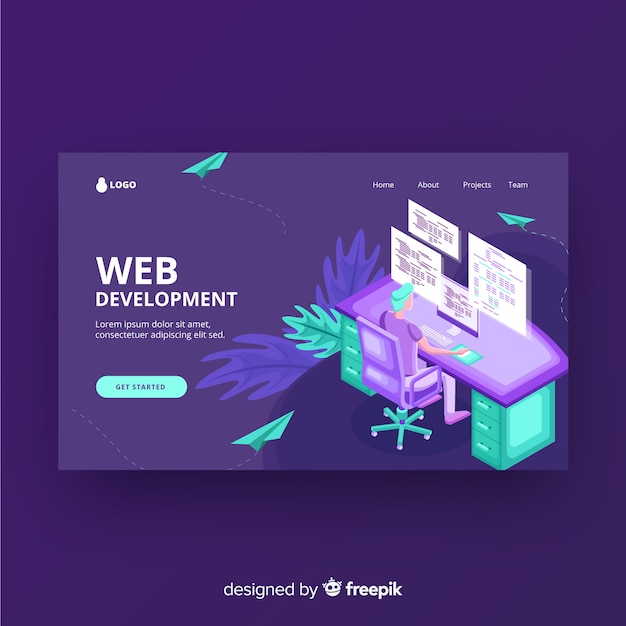
A landing page needs a clear purpose. It should tell visitors what to do. Goals guide the design of the page. Common goals include sign-ups or purchases. A simple layout helps people focus. Less clutter means better results. The page should load fast. Slow pages lose visitors. Every element must serve its purpose.
Good landing pages have key parts. A strong headline grabs attention. The headline tells what the page is about. Images and videos make the page interesting. They should support the message. A clear call-to-action tells visitors what to do next. This could be a button or a link. Testimonials build trust. They show real people’s opinions. Simple forms are best. They ask for only the needed information.
Design Best Practices
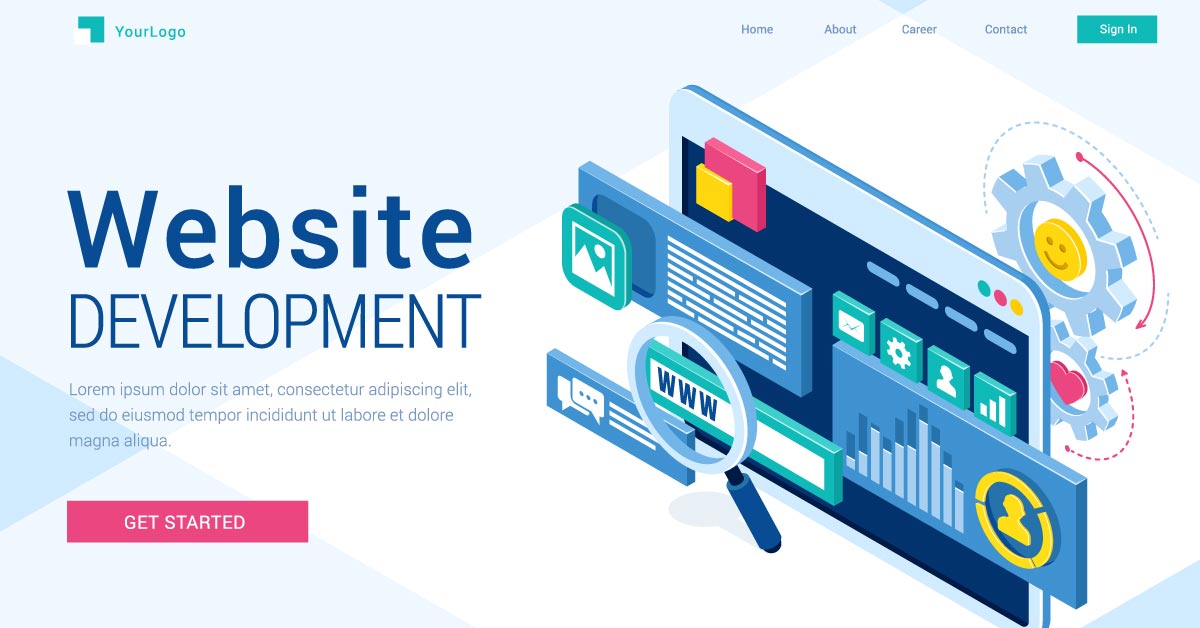
Landing page development focuses on creating web pages aimed at capturing visitor interest. Effective design involves clear calls-to-action, engaging visuals, and concise content. These pages are crafted to guide users towards specific actions, like signing up or purchasing.
Effective Layouts
A good layout guides the eyes. It uses clear sections. Important parts stand out. Keep it simple and neat. Avoid clutter. Clutter confuses. Use white space wisely. It helps focus. Arrange elements in a logical order. Headlines grab attention. Images tell stories. Use them well. Users should find what they need. Quickly and easily. This keeps them happy. Happy users stay longer. Longer visits mean more success.
Color And Typography
Colors set the mood. Bright colors excite. Soft colors calm. Use colors that match your brand. Contrast is key. It helps text stand out. Choose fonts that are easy to read. Simple fonts work best. Avoid too many styles. Consistency is important. It makes the page look professional. Use bold and italic for emphasis. But not too much. Too much can confuse.
Content Strategies
A strong headline grabs attention fast. It should be clear and direct. Use simple words that make sense. Ask a question to make them think. Use numbers for lists. Like “5 Easy Steps”. Keep it short. No more than 10 words. Make it interesting. Make them want to know more.
Words should speak to the reader. Use simple language to explain benefits. Keep sentences short and sweet. Use words like “you” to engage them. Tell a story if you can. Stories stick in mind. Use facts to back claims. Keep it easy to read and understand.
A good call-to-action is clear. Use action words like “buy” or “join”. Make the button easy to see. Use a bright color. Keep the text short. Like “Get started now”. Place it where they can see it. Repeat it if needed. But don’t overdo it. Make them want to click.
User Experience Factors
Simple navigation helps visitors find information easily. Use clear labels. Reduce menu items. The fewer, the better. Avoid clutter. Easy paths make users happy. Happy users stay longer. More staying means more chances. More chances for actions.
Mobile-friendly pages are very important. Many people use phones now. Pages must fit small screens. Images and text should adjust. No zoom needed. Quick loading is key. Slow pages lose users. Keep everyone engaged. More engaged means more success.
A/b Testing Methods
A/B testing helps find the best page design. First, create two versions of the landing page. Version A and version B. Change one thing, like a button color. Keep other things the same. This is important. Test results show which version works better.
Count how many people click each version. More clicks means more interest. Look at the numbers carefully. Data tells which design is liked more. Sometimes, one version wins clearly. Other times, differences are small. Use the winning version for the page. This helps make better choices.
Seo Considerations
Keywords help people find your site. Use relevant keywords on your landing page. Place them in titles and headings. Use them in the first 100 words. This helps search engines understand your page. Choose keywords wisely. They should match what people search for. Avoid overusing keywords. This can hurt your page ranking.
Fast pages make users happy. Slow pages
Analytics And Metrics
Landing page development involves creating web pages focused on a specific goal, like gathering leads or promoting a product. Analytics and metrics help measure the effectiveness of these pages. They show visitor behavior and conversion rates, guiding improvements for better results.
Tracking Conversions
Tracking conversions is important for landing pages. It helps you know what works. You can see how many people click your links. You can count how many people buy your product. You can use tools to track these actions. Google Analytics is one example. It shows you detailed reports. These reports help you understand your audience. You can learn what they like. You can find out what they dislike.
Interpreting Data
Interpreting data means understanding numbers. It helps you make smart decisions. You see patterns in data. Patterns tell you what is popular. Patterns show you what needs change. Look at the number of visitors. Check how long they stay. Find out which links they click. These numbers tell stories. Stories help improve your landing page. They guide you in fixing problems. They show you what to keep the same. They are your map to success.
Common Mistakes
Too much information can confuse visitors. They may leave your page quickly. Focus on the key message. Use clear and simple words. Break information into small parts. Use bullet points for easy reading. Avoid long paragraphs. Highlight important points in bold. Make sure your message is easy to understand.
User feedback is very important. It helps improve your landing page. Listen to what users say. Check comments and reviews. Fix any issues they mention. Feedback shows what users like or dislike. Update your page based on user feedback. Happy users will stay longer on your page. Always pay attention to user feedback.
Frequently Asked Questions
What Is The Meaning Of Landing Page In Development?
A landing page in development is a standalone web page designed to capture visitor information or promote a specific action. It focuses on conversions by providing a clear call-to-action, engaging content, and minimal distractions. Effective landing pages help businesses increase leads, sales, and user engagement.
What Is A Landing Page And Example?
A landing page is a standalone web page created for marketing or advertising campaigns. Its goal is to convert visitors. An example is a sign-up page for a newsletter.
What Is The Purpose Of A Landing Page?
A landing page aims to convert visitors into leads or customers. It targets specific marketing campaigns or offers. The page encourages action like signing up, purchasing, or downloading. Effective design and clear messaging boost engagement and conversions. It captures information through forms for future marketing efforts.
What Is A Landing Page In Programming?
A landing page in programming is a single web page designed to capture visitor information. It serves a specific purpose, like promoting a product or service. The page aims to convert visitors into leads or customers by focusing on a clear call-to-action and relevant content.
Conclusion
Creating an effective landing page is crucial. It boosts conversions by engaging visitors. Clear design and strong calls-to-action are key. Focus on user-friendly navigation. Ensure your content is concise and compelling. Align your landing page with your marketing goals. Test different elements to see what works best.
Track performance to refine your strategy. Remember, a well-crafted landing page can lead to more success. Keep it simple and focused. Aim to capture attention and encourage action. With these steps, you can improve your online presence. Start refining your landing page today!