
Email marketing is a powerful tool for engaging your audience and driving conversions. Here are 49 essential tips for beginners.
Email marketing remains one of the most effective strategies for reaching and engaging with your audience. It offers a direct line to your subscribers and potential customers, helping you build relationships, boost sales, and grow your brand. As a beginner, understanding the basics and implementing best practices can significantly enhance your campaigns’ success.
From crafting compelling subject lines to segmenting your email lists, these tips will provide you with a solid foundation. Mastering these email marketing strategies ensures your messages resonate, leading to higher open rates, better engagement, and increased conversions. Dive in and start optimizing your email marketing efforts today.
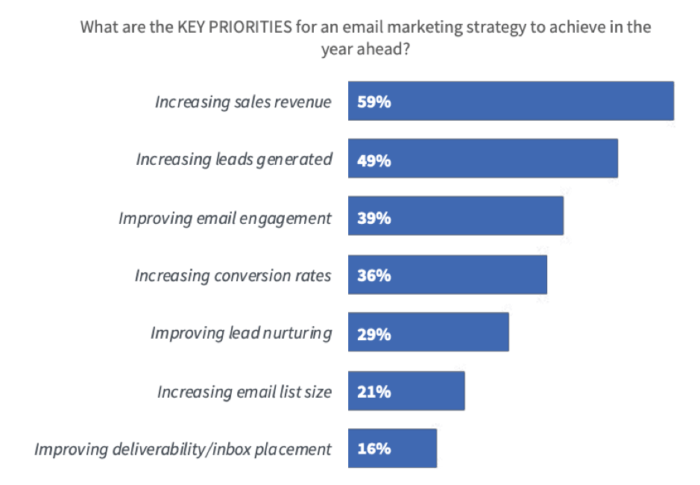
Credit: www.smartinsights.com
Introduction To Email Marketing
Email marketing is a powerful tool for businesses of all sizes. It allows you to directly reach your customers’ inboxes. This blog will guide you through 49 essential tips for beginners. Let’s start with why email marketing is crucial and its success rates.
Why Email Marketing Is Essential
Email marketing is cost-effective and highly targeted. It lets you send personalized messages. This builds strong relationships with your customers. Unlike social media, email marketing ensures your message gets seen. It’s not affected by algorithms.
Emails have a high return on investment (ROI). For every dollar spent, you can earn $42. Email marketing helps you track customer behavior. You can see who opens your emails and who clicks on links. This data helps you improve your campaigns.
Email marketing also drives more conversions. People are more likely to buy from emails than social media. Emails can be automated. This saves you time and ensures timely communication with your audience.
Email Marketing Success Rates
Email marketing has impressive success rates. The average open rate is about 20%. The click-through rate (CTR) is around 3.5%. These numbers vary by industry. Segmented email campaigns perform even better. They have higher open and click rates.
Personalized emails increase engagement. Including the recipient’s name can boost open rates by 26%. Automated welcome emails have an open rate of 82%. This sets the tone for future interactions.
| Metric | Average Rate |
|---|---|
| Open Rate | 20% |
| Click-Through Rate (CTR) | 3.5% |
| Personalized Email Open Rate | 26% higher |
| Automated Welcome Email Open Rate | 82% |
Email marketing is powerful and effective. It helps you connect with your audience. By following these tips, you’ll see great results.
Credit: www.podcastandamplify.com
Building Your Email List
Building your email list is crucial for successful email marketing. An email list allows you to reach potential customers. It helps in nurturing relationships with your audience. Here are essential tips for beginners to build an effective email list.
Creating An Opt-in Strategy
An opt-in strategy encourages people to join your email list. Start with a clear call-to-action (CTA). Make your CTA visible on your website. Use phrases like “Join our newsletter” or “Get exclusive updates”. Place the CTA on your homepage, blog, and contact page.
Offer an incentive to attract sign-ups. Provide a free ebook, discount, or exclusive content. People love free stuff. Make sure the incentive is valuable to your target audience.
Use exit-intent popups to capture visitors before they leave. These popups appear when someone is about to exit your site. Offer something enticing to make them stay and sign up.
Leveraging Social Media For List Growth
Social media platforms can boost your email list growth. Share your signup link on your social media profiles. Post regularly about the benefits of joining your email list.
Run social media contests to attract new subscribers. Offer a prize to participants who join your email list. Promote the contest on all your social channels.
Utilize Facebook and Instagram ads to reach a wider audience. Target users who are interested in your niche. Make sure your ad copy highlights the benefits of subscribing.
Collaborate with influencers in your industry. Ask them to share your signup link with their followers. Influencers can help you reach a larger, engaged audience.
Crafting Compelling Content
Creating engaging email content is key for successful email marketing. Your emails need to grab attention and keep readers interested. This section covers tips on crafting compelling email content. Focus on subject lines and body copy to make your emails stand out.
The Art Of Subject Lines
The subject line is the first thing readers see. It’s crucial to get it right. Here are some tips for crafting compelling subject lines:
- Keep it short and sweet: Aim for 5-9 words.
- Use action words: Encourage readers to open the email.
- Personalize: Use the recipient’s name for a personal touch.
- Create curiosity: Make readers want to learn more.
- Test different subject lines: A/B testing can reveal what works best.
Writing Engaging Email Body Copy
Once your subject line grabs attention, your email body needs to keep it. Here are some tips for writing engaging email body copy:
- Start with a strong opening: Hook your readers immediately.
- Be concise: Keep your message clear and to the point.
- Use bullet points: They make your content easy to scan.
- Include a call to action: Tell readers what to do next.
- Add visuals: Images or videos can enhance your message.
Remember, the goal is to keep your readers engaged from start to finish. Use these tips to craft compelling email content that resonates with your audience.
Designing Your Email
Designing your email is crucial for capturing your audience’s attention. A well-designed email can increase engagement and conversions. Below are some essential tips to help you create stunning emails.
Email Layout Best Practices
Start with a clean and simple layout. Too much clutter can overwhelm your readers. Use a single-column layout for better readability. This layout works well on both desktop and mobile devices.
- Header: Include your logo and a clear subject line.
- Body: Use short paragraphs and bullet points.
- Footer: Add contact information and an unsubscribe link.
Consistency is key. Use the same font, colors, and style throughout your email. This helps with brand recognition and readability.
| Element | Best Practice |
|---|---|
| Header | Include logo and subject line |
| Body | Short paragraphs and bullet points |
| Footer | Contact info and unsubscribe link |
Mobile-friendly Email Designs
Many people read emails on mobile devices. Ensure your emails are mobile-friendly.
- Responsive Design: Use responsive templates that adjust to screen size.
- Font Size: Use at least 14px font size for readability.
- Images: Use small images that load quickly on mobile.
Test your email on different devices. This ensures it looks good everywhere.
Use buttons instead of text links. Buttons are easier to click on mobile screens.
Segmenting Your Audience
Segmenting your audience is a crucial step in email marketing. It involves dividing your email list into smaller, targeted groups. This ensures your messages are relevant to each subscriber. Let’s explore the benefits and methods of segmenting your audience.
Benefits Of Targeted Campaigns
Targeted campaigns offer several advantages:
- Increased Engagement: Subscribers receive content tailored to their interests. This boosts open and click-through rates.
- Higher Conversion Rates: Personalized messages lead to better responses. People are more likely to take action.
- Reduced Unsubscribes: Relevant content keeps subscribers happy. They are less likely to leave your list.
- Improved ROI: Effective targeting maximizes your marketing budget. You get better results with fewer resources.
How To Segment Your Subscribers
Here’s how to segment your subscribers:
- Collect Data: Gather information through sign-up forms. Ask for details like age, location, and interests.
- Analyze Behavior: Track how subscribers interact with your emails. Look at open rates, click-throughs, and purchases.
- Create Segments: Use the data to create specific groups. Common segments include:
- New Subscribers
- Active Subscribers
- Inactive Subscribers
- Purchase History
- Geographic Location
- Interests
- Tailor Your Messages: Craft unique messages for each segment. Ensure the content speaks directly to their needs and interests.
- Test and Optimize: Monitor the performance of your segmented campaigns. Use A/B testing to find what works best.
| Segment | Characteristics | Example Campaign |
|---|---|---|
| New Subscribers | Recently joined, high curiosity | Welcome series, introductory offers |
| Active Subscribers | Regular openers and clickers | Exclusive content, loyalty rewards |
| Inactive Subscribers | Low engagement, no recent activity | Re-engagement campaigns, special discounts |
| Geographic Location | Based on subscriber’s location | Local events, regional promotions |
| Interests | Based on stated preferences | Topic-specific newsletters, personalized recommendations |
Timing And Frequency
Understanding the timing and frequency of your email campaigns can significantly impact your success. Sending emails at the right time and with the right frequency ensures better engagement and higher open rates. This guide will help you master the timing and frequency of your email marketing efforts.
Finding The Best Time To Send Emails
Discovering the best time to send emails requires a bit of testing and analysis. You want your emails to land in your audience’s inbox when they are most likely to open and read them.
Here are some tips for finding the best time:
- Analyze past campaigns: Look at your previous email campaigns. Identify patterns in open rates and click-through rates.
- Consider your audience’s schedule: Think about your audience’s daily routine. Are they more likely to check emails in the morning or evening?
- Test different times: Send emails at various times of the day. Monitor the results to determine the most effective time.
According to studies, the best days to send emails are Tuesday, Wednesday, and Thursday. Mid-morning or early afternoon often yield the highest open rates.
Determining Optimal Email Frequency
Finding the optimal email frequency is crucial. Too many emails can annoy your subscribers, while too few can make them forget about you.
Here are some strategies to determine the best frequency:
- Start with a baseline: Begin by sending one email per week. This is a good starting point to gauge your audience’s response.
- Monitor engagement: Pay attention to open rates, click-through rates, and unsubscribe rates. Adjust your frequency based on these metrics.
- Segment your list: Different segments of your audience may prefer different frequencies. Use segmentation to cater to these preferences.
- Ask your audience: Send a survey to your subscribers. Ask them how often they would like to receive emails.
A study suggests that sending emails 2-3 times per week is often effective. This frequency keeps your audience engaged without overwhelming them.
By understanding the timing and frequency of your emails, you can maximize engagement and improve your email marketing success.
Testing And Optimization
Testing and optimization are crucial for any successful email marketing campaign. They help you understand what works best for your audience. In this section, we will cover essential tips for A/B testing and analyzing email campaign performance.
A/b Testing Your Emails
A/B testing, or split testing, involves sending two different versions of an email to see which performs better. This helps in optimizing various elements of your emails for higher engagement.
- Subject Lines: Test different subject lines to see which gets more opens.
- Email Content: Compare different email bodies to identify what resonates.
- Call to Action (CTA): Experiment with CTA buttons and links to increase clicks.
- Images: Try different images to see which ones get better responses.
Analyzing Email Campaign Performance
Analyzing the performance of your email campaigns is vital for continuous improvement. Use metrics to understand how your emails perform and make necessary adjustments.
| Metric | What It Measures | Why It Matters |
|---|---|---|
| Open Rate | Percentage of opened emails | Indicates subject line effectiveness |
| Click-Through Rate (CTR) | Percentage of clicks on links | Shows content and CTA effectiveness |
| Conversion Rate | Percentage of completed desired actions | Measures overall campaign success |
| Bounce Rate | Percentage of undelivered emails | Indicates list quality |
| Unsubscribe Rate | Percentage of opt-outs | Shows email relevance and frequency issues |
Regularly review these metrics to understand your audience better. Use the insights to tweak your future emails for better performance.
Automation And Personalization
Email marketing can be a powerful tool. Automation and personalization make it even more effective. They help you save time and connect better with your audience. These techniques can improve engagement and increase conversions.
Setting Up Email Automation
Automating your emails can help manage your time better. You can set up a series of emails to send automatically. This can include welcome emails, follow-up emails, and more. Here’s how to do it:
- Choose an Email Marketing Platform: Pick a tool like Mailchimp, Constant Contact, or Sendinblue.
- Create an Email Sequence: Plan the emails you want to send and in what order.
- Set Triggers: Define actions that will trigger your emails, such as signing up for a newsletter.
- Test Your Automation: Ensure everything works as planned before going live.
- Monitor and Adjust: Regularly check the performance and make necessary adjustments.
Personalizing Emails For Better Engagement
Personalized emails can improve open rates and engagement. Use your subscribers’ names and other personal details. Here are some tips:
- Use Names: Address subscribers by their first name in the email.
- Segment Your List: Group your subscribers based on interests or behaviors.
- Custom Content: Tailor your content to match the interests of each group.
- Dynamic Content: Use dynamic content blocks to show different content to different segments.
- Send at the Right Time: Use data to determine the best time to send emails to each segment.
Here’s a simple code example for a personalized email:
Hi [[FirstName]],
Thank you for joining us! We are excited to have you.
Check out our latest updates and offers tailored just for you.
With automation and personalization, your email marketing can reach new heights. Start implementing these tips today and see the difference.
Complying With Legal Requirements
Email marketing is a powerful tool. But, it must be used responsibly. Compliance with legal requirements is crucial. This ensures your emails are welcomed and trusted. Here, we discuss two important regulations: the CAN-SPAM Act and GDPR.
Understanding Can-spam Act
The CAN-SPAM Act is a law in the United States. It sets rules for commercial emails. Here are some key points:
- Honest Subject Lines: Your subject line must reflect the email content.
- Identify the Message as an Ad: Clearly state if your email is an advertisement.
- Include Your Location: Provide a valid physical postal address.
- Easy Opt-Out: Include a clear and easy way to unsubscribe.
- Honor Opt-Out Requests: Process unsubscribe requests promptly.
Gdpr And Email Marketing
The General Data Protection Regulation (GDPR) is a law in the European Union. It governs how you handle personal data. Key GDPR compliance points include:
- Consent: Obtain clear, explicit consent before sending emails.
- Data Protection: Ensure the security of personal data.
- Transparency: Inform users about how you use their data.
- Right to Access: Users can request access to their data.
- Right to be Forgotten: Users can request deletion of their data.
Complying with these laws ensures trust and protects your business. Understand the rules and integrate them into your email marketing strategy.

Credit: www.linkedin.com
Growing Email Marketing Roi
Growing the ROI of your email marketing campaigns is crucial. Engaging your audience and integrating strategies can make a huge difference. Here are some tips to help you achieve that.
Advanced Tactics To Boost Engagement
Engagement is key in email marketing. Use advanced tactics to improve it.
- Personalize Your Emails: Use the recipient’s name in the subject line.
- Segment Your Audience: Group your subscribers based on their behavior.
- Interactive Content: Add polls or surveys to your emails.
- Test and Optimize: A/B test subject lines and content.
- Mobile Optimization: Ensure emails look good on mobile devices.
Each of these tactics can help boost engagement. Start implementing them to see results.
Integrating Email With Other Marketing Channels
Integrating email with other channels can maximize your marketing efforts. Here’s how to do it:
| Channel | Integration Tactic |
|---|---|
| Social Media | Promote email sign-ups on your social media pages. |
| Website | Embed sign-up forms on your website’s homepage. |
| Content Marketing | Include email sign-ups in your blog posts. |
| PPC Campaigns | Use PPC ads to drive traffic to your sign-up forms. |
Integrating these channels can provide a seamless experience for your audience. It can also help grow your email list quickly.
Frequently Asked Questions
How Do I Start Email Marketing For Beginners?
To start email marketing, choose an email service provider. Build a targeted email list. Create engaging content. Design eye-catching templates. Schedule and send your emails consistently.
What Are The 7 Email Marketing Strategies?
1. Personalize your emails. 2. Segment your audience. 3. Craft compelling subject lines. 4. Use clear call-to-actions. 5. Optimize for mobile. 6. Test and analyze performance. 7. Automate email campaigns.
What Is The First Rule Of Email Marketing?
The first rule of email marketing is to obtain explicit permission from recipients before sending emails. This ensures compliance with laws and builds trust.
What Are The 5 Steps Of Email Marketing?
The 5 steps of email marketing are:1. Build a targeted email list. 2. Design engaging email content. 3. Segment your audience. 4. Automate email campaigns. 5. Analyze and optimize performance.
Conclusion
Mastering email marketing can boost your business growth significantly. Apply these 49 tips to improve your campaigns. Stay consistent, analyze results, and always refine your strategies. With dedication and these guidelines, you’ll see increased engagement and conversions. Happy emailing, and may your marketing efforts thrive!


