
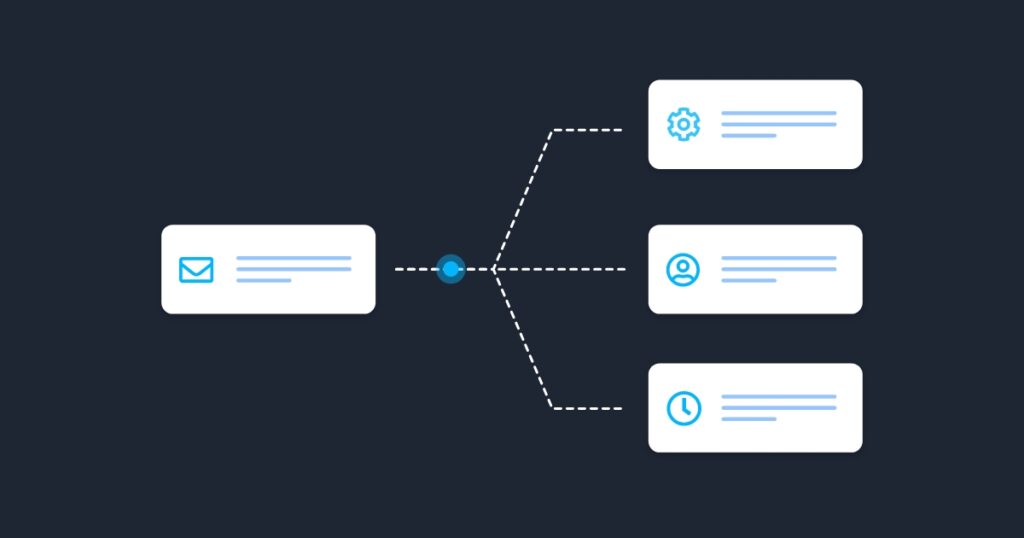
Automated email marketing boosts efficiency and engagement. Personalize content and segment your audience for better results.
Automated email marketing offers businesses a powerful tool to streamline communication and enhance customer engagement. By automating repetitive tasks, you can focus on creating targeted and personalized content. Segmenting your audience ensures that each recipient gets relevant messages, increasing the chances of conversion.
This strategic approach not only saves time but also improves the effectiveness of your email campaigns. Leveraging automated email marketing can lead to higher open rates and better customer relationships. Effective use of automation tools can significantly impact your marketing success, driving growth and increasing ROI.
The Rise Of Automated Email Marketing
Email marketing has evolved significantly over the years. The shift from manual campaigns to automated systems marks a new era. This transformation is driven by the need for efficiency and personalization. Automated email marketing has become a game-changer for businesses of all sizes.
Shift From Manual Campaigns
Manual email campaigns were time-consuming and prone to errors. Marketers had to manage lists, create content, and send emails manually. This process was inefficient and often led to missed opportunities.
Automated email marketing changed this entirely. It allows for the scheduling and sending of emails without human intervention. This means marketers can focus on strategy rather than execution. Automation tools can segment audiences and personalize content effortlessly.
Benefits For Modern Businesses
Automated email marketing offers numerous advantages. First, it saves time and reduces errors. Businesses can now send personalized emails to large audiences quickly.
Secondly, it improves customer engagement. Personalized emails are more likely to be opened and read. This leads to higher conversion rates.
Thirdly, automated email marketing provides valuable insights. Businesses can track open rates, click-through rates, and conversions. This data helps improve future campaigns.
| Benefit | Description |
|---|---|
| Time-saving | Automation handles repetitive tasks, freeing up time. |
| Error reduction | Minimizes human errors in email campaigns. |
| Improved engagement | Personalized emails increase open and click rates. |
| Data insights | Track metrics to refine strategies. |
In summary, automated email marketing is a powerful tool for modern businesses. It offers efficiency, personalization, and valuable insights.
Crafting Your Email Marketing Strategy
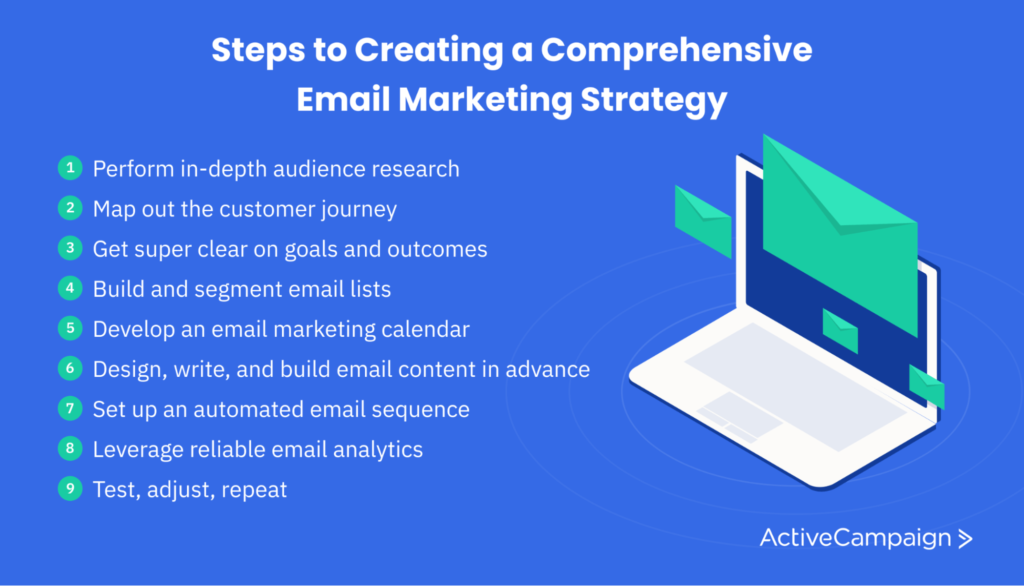
Crafting an effective email marketing strategy is essential for business growth. A well-planned strategy ensures your emails reach the right audience. This helps in achieving your marketing goals. Below, we discuss key elements of a successful email marketing strategy.
Setting Clear Objectives
Setting clear objectives is the first step in your email marketing strategy. Determine what you want to achieve with your campaigns. Some common objectives include:
- Increasing brand awareness
- Driving traffic to your website
- Generating leads
- Boosting sales
- Engaging with customers
Once your objectives are clear, you can tailor your emails accordingly. This will help you measure your success and make necessary adjustments.
Understanding Your Audience
Understanding your audience is crucial for effective email marketing. You need to know who your audience is and what they want. Start by segmenting your email list based on:
- Demographics (age, gender, location)
- Behavior (purchase history, website interactions)
- Preferences (email frequency, content type)
Creating buyer personas can help you understand your audience better. These personas represent your ideal customers and their needs.
Use data and analytics to refine your audience segments. This will enable you to send more targeted and relevant emails.
Choosing The Right Automation Tools
Choosing the right automation tools can make or break your email marketing strategy. The right tools can streamline your workflow, improve engagement, and boost conversions. This section will guide you through key features to consider and compare popular platforms.
Key Features To Look For
Selecting the right tool involves understanding key features. Below is a list of essential features:
- User-Friendly Interface: Easy to navigate and understand.
- Automation Capabilities: Advanced automation for better targeting.
- Integration Options: Compatible with your existing software.
- Analytics and Reporting: Provides detailed insights and data.
- Scalability: Grows with your business needs.
- Customer Support: Reliable and accessible assistance.
Comparing Popular Platforms
Several platforms offer robust features. Here is a comparison of some popular choices:
| Platform | Key Features | Price |
|---|---|---|
| Mailchimp |
| Starts at $9.99/month |
| ActiveCampaign |
| Starts at $15/month |
| HubSpot |
| Free to $50/month |
Credit: www.activecampaign.com
Segmenting Your Audience For Personalization
Automated email marketing works best with audience segmentation. It helps you send personalized emails to different groups. This way, each email feels relevant to the recipient. Let’s explore the benefits and strategies for effective segmentation.
Benefits Of Segmentation
Segmenting your audience offers several advantages:
- Improved Engagement: Tailored emails boost open rates and clicks.
- Higher Conversion Rates: Personalized offers drive more sales.
- Better Customer Retention: Relevant content keeps subscribers happy.
- Reduced Unsubscribe Rates: People stay when they receive useful emails.
Strategies For Effective Grouping
Grouping your audience needs careful planning. Here are some strategies:
- Demographic Information: Use age, gender, and location for segmentation.
- Behavioral Data: Group based on purchase history and website activity.
- Email Engagement: Segment by open rates and click-through rates.
- Customer Preferences: Ask subscribers about their interests.
Consider using a table for more clarity:
| Segment Type | Criteria | Example |
|---|---|---|
| Demographic | Age, Gender, Location | Young adults in New York |
| Behavioral | Purchase History | Customers who bought shoes |
| Email Engagement | Open Rates | Subscribers who opened last 5 emails |
| Customer Preferences | Stated Interests | Subscribers interested in tech gadgets |
These strategies help in creating personalized email campaigns. Segmentation makes your email marketing more effective.
Creating Compelling Email Content
Creating compelling email content is crucial for successful automated email marketing. Your emails should grab attention, engage readers, and drive action. This section covers essential tips for designing engaging templates and writing click-worthy subject lines.
Designing Engaging Templates
An engaging email template can significantly increase your open and click rates. Here are key elements to focus on:
- Visual Appeal: Use eye-catching colors and images.
- Responsive Design: Ensure the template looks good on all devices.
- Clear Layout: Make the content easy to read with proper spacing.
- Brand Consistency: Align the design with your brand’s look and feel.
Here is a table summarizing best practices for designing email templates:
| Best Practice | Reason |
|---|---|
| Visual Appeal | Captures the reader’s attention instantly. |
| Responsive Design | Ensures readability on all devices. |
| Clear Layout | Makes the content easy to digest. |
| Brand Consistency | Builds trust and brand recognition. |
Writing Click-worthy Subject Lines
The subject line is the first thing your audience sees. It needs to compel them to open the email.
- Keep it Short: Aim for 5-7 words.
- Use Action Words: Encourage immediate action.
- Create Urgency: Use phrases like “limited time” or “last chance.”
- Personalize: Include the recipient’s name.
- Test and Optimize: Use A/B testing to find what works best.
Here are some examples of effective subject lines:
- “Don’t Miss Out! Exclusive Offer Just for You”
- “Hurry! Limited Time Discount Inside“
- “John, Your Special Deal Awaits“
By focusing on these tips, you can create compelling email content that drives engagement and action. Remember, the key is to keep your emails visually appealing and your subject lines click-worthy.
Credit: www.smartinsights.com
Timing And Frequency Matters
Timing and frequency are crucial in automated email marketing. Sending emails at the right time and frequency can boost engagement and reduce unsubscribes. Here, we explore the best practices to ensure your emails hit the mark.
Best Practices For Scheduling
Scheduling emails can greatly impact open rates and conversions. Here are some best practices:
- Know Your Audience: Understand when your audience is most active.
- Time Zones Matter: Schedule emails according to the recipient’s time zone.
- Test and Optimize: Perform A/B tests to find the best times.
- Leverage Data: Use analytics to guide your scheduling decisions.
Avoiding Email Fatigue
Sending too many emails can lead to email fatigue. This results in lower engagement and higher unsubscribe rates. Here are some tips to avoid this:
- Set Clear Expectations: Inform subscribers about email frequency during sign-up.
- Monitor Engagement: Track open and click rates to adjust your strategy.
- Segment Your List: Tailor emails to specific segments based on interests.
- Offer Preferences: Allow subscribers to choose their email frequency.
Avoiding email fatigue is essential for maintaining a healthy subscriber list. Implement these strategies to ensure your audience stays engaged and happy.
Testing And Optimizing Your Emails
Testing and optimizing your emails is crucial for successful automated email marketing. It ensures your messages resonate with your audience. By testing different elements, you can improve engagement and conversions. Below, we delve into two essential aspects: A/B testing and analyzing campaign performance.
Implementing A/b Testing
A/B testing, also known as split testing, helps you understand what works best. It involves sending two versions of an email to different segments of your audience. This allows you to compare results and see which version performs better. Here are some elements you can test:
- Subject Lines: Try different phrases to see which gets more opens.
- Email Content: Test different text lengths and formats.
- Images: Use varied visuals to check their impact.
- Call to Action (CTA): Experiment with different wording and buttons.
| Element | Version A | Version B |
|---|---|---|
| Subject Line | Discover Our New Features | Check Out the Latest Updates |
| CTA Button | Shop Now | Buy Today |
Analyzing Campaign Performance
After running your email campaigns, it’s important to analyze their performance. This helps you identify what’s working and what needs improvement. Focus on these key metrics:
- Open Rate: Indicates how many recipients opened your email.
- Click-Through Rate (CTR): Shows how many clicked on links in your email.
- Conversion Rate: Measures how many took the desired action.
- Bounce Rate: Reveals how many emails were not delivered.
- Unsubscribe Rate: Tracks how many opted out of your emails.
Use the data to refine your email marketing strategy. Adjust your content, subject lines, and timing based on the insights gained. This will help you create more effective email campaigns that engage your audience and drive results.
Maintaining List Health And Compliance
Automated email marketing can boost your business. But keeping your email list healthy and compliant is crucial. This ensures your emails reach the right people and follow rules. Let’s explore some key tips.
Keeping Your List Clean
A clean email list is essential. Remove inactive subscribers. This improves your open rates. Use these steps to keep your list tidy:
- Regularly check for invalid email addresses.
- Segment your list based on engagement levels.
- Send re-engagement campaigns to inactive users.
Use tools to verify email addresses. This reduces bounce rates. A clean list helps your emails land in the inbox.
Adhering To Email Regulations
Following email regulations is vital. This avoids penalties and keeps your reputation intact. Here are some key rules:
| Regulation | Description |
|---|---|
| CAN-SPAM Act | Give recipients an easy way to unsubscribe. |
| GDPR | Get explicit consent from EU subscribers. |
| CASL | Get permission before sending emails to Canadians. |
Always include an unsubscribe link. Keep your contact information up-to-date. Respect your subscribers’ privacy.
Leveraging Automated Email Journeys
Automated email journeys can transform your marketing efforts. They help nurture leads and engage customers efficiently. By leveraging automated email journeys, you can send the right message at the right time.
Designing Effective Workflows
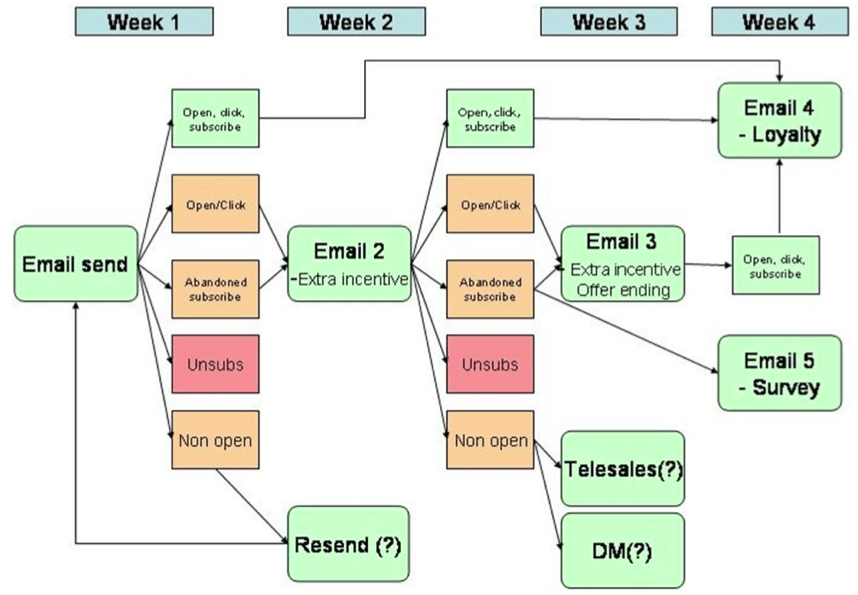
Creating effective workflows is crucial in email automation. Start by mapping out the customer journey. Identify key touchpoints where emails can be impactful.
Use a visual tool to design your workflow. Include triggers, actions, and conditions. Make sure every email has a clear goal.
Personalize your emails based on user behavior. Segment your audience to ensure relevant content. Test your workflows regularly to optimize performance.
Examples Of Successful Email Funnels
Successful email funnels can drive conversions and customer loyalty. Here are a few examples:
- Welcome Series: Greet new subscribers with a series of emails. Introduce your brand and offer value.
- Abandoned Cart: Remind customers of items left in their cart. Offer incentives to complete the purchase.
- Re-engagement Campaign: Target inactive subscribers with enticing offers. Encourage them to stay connected.
- Post-Purchase Follow-Up: Thank customers for their purchase. Ask for feedback and suggest related products.
These funnels are proven to enhance customer engagement. Analyze and adapt them to fit your business needs.
Credit: mconsent.net
Advanced Techniques And Innovations
Automated email marketing has grown smarter and more efficient. Advanced techniques and innovations make your campaigns more successful. Let’s dive into some groundbreaking methods.
Incorporating Ai And Machine Learning
AI and Machine Learning transform your email marketing strategies. They offer real-time insights and improve decision-making. These technologies analyze vast amounts of data quickly.
- AI can optimize send times for each user.
- Machine Learning predicts user behavior better.
- Segment your audience based on real-time data.
With these tools, create more personalized emails. This leads to higher engagement rates and better customer experiences.
Predictive Personalization
Predictive Personalization takes personalization to the next level. It uses past behavior to predict future actions. This helps in crafting emails that users are more likely to engage with.
Benefits of Predictive Personalization:
| Benefit | Description |
|---|---|
| Increased Engagement | Emails tailored to user interests get more clicks. |
| Improved Conversion Rates | Relevant content encourages purchases. |
| Enhanced Customer Loyalty | Personalized emails build stronger relationships. |
Incorporate these techniques into your automated email marketing strategy. They will help you stay ahead in the competitive market.
Frequently Asked Questions
How To Automate Your Email Marketing?
Use email marketing tools like Mailchimp or Constant Contact. Create automated workflows. Segment your audience. Schedule regular emails. Analyze performance metrics.
What Are The 7 Email Marketing Strategies?
1. Personalize emails for individual recipients. 2. Segment your email list. 3. Optimize subject lines. 4. Use clear and compelling CTAs. 5. Automate your email campaigns. 6. A/B test your emails. 7. Analyze and adjust based on performance metrics.
How To Write Good Automated Emails?
To write good automated emails, personalize the content, use clear and concise language, include a strong call to action, ensure mobile-friendliness, and test before sending.
How Do You Automate Email Prospecting?
To automate email prospecting, use tools like Mailshake or SalesLoft. Set up email sequences and personalize content. Track engagement metrics and adjust strategies for better results.
Conclusion
Automated email marketing can boost engagement and sales. Apply these tips to streamline your campaigns effectively. Personalize content, segment your audience, and analyze performance regularly. By optimizing your strategy, you’ll see improved results and stronger customer relationships. Start implementing these tips today for a more successful email marketing journey.


