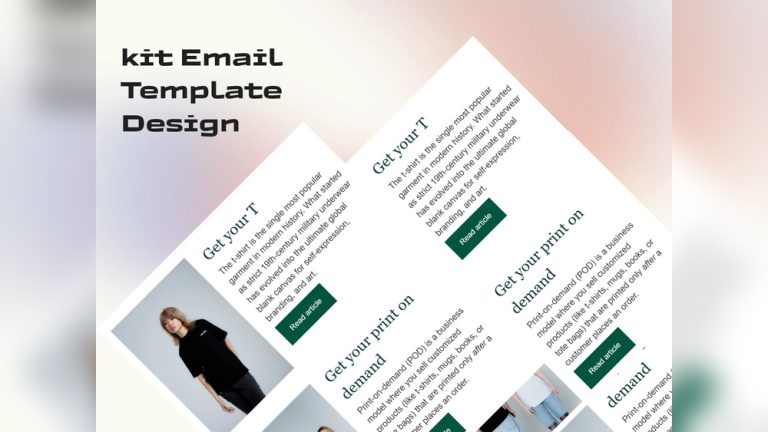
Email marketing copywriting requires compelling subject lines and personalized content. Focus on clarity, brevity, and a strong call-to-action.
Effective email marketing starts with understanding your audience. Craft subject lines that grab attention instantly and drive open rates. Personalization is key; use the recipient’s name and tailor the content to their preferences. Keep your message clear and concise, avoiding long paragraphs.
A strong call-to-action directs readers on the next steps, whether it’s to purchase, sign up, or learn more. Use engaging visuals and ensure your email is mobile-friendly. Testing different elements like subject lines and send times can also optimize performance. Ultimately, the goal is to build trust and encourage engagement through well-crafted, valuable content.
Introduction To Email Marketing Copywriting
Email marketing remains a powerful tool for businesses. Crafting effective email copy is crucial to engaging your audience. Well-written emails can boost open rates and conversions. This guide provides key tips for mastering email marketing copywriting.
The Importance Of Effective Email Copy
Effective email copy is essential for several reasons:
- Captures the reader’s attention
- Builds trust with your audience
- Encourages actions, like clicks or purchases
A compelling email subject line can increase open rates. Clear and concise content keeps readers engaged. Personalization can make emails feel more relevant.
Goals Of Email Marketing
Setting clear goals is vital for successful email marketing campaigns. Common goals include:
| Goal | Description |
|---|---|
| Increase Sales | Drive revenue through product promotions. |
| Build Relationships | Foster trust and loyalty with customers. |
| Boost Engagement | Encourage clicks, shares, and interactions. |
Understanding your goals helps tailor your email content. Align your copy with these objectives for better results.
Knowing Your Audience
Understanding your audience is crucial for effective email marketing. Knowing who you’re talking to helps you craft messages that resonate. This leads to higher engagement and conversion rates. Here, we’ll explore strategies to better understand your audience.
Creating Personas
Creating personas involves making fictional characters based on your audience. These personas help you understand your audience’s needs and pain points.
- Research: Gather data from surveys, interviews, and website analytics.
- Identify Patterns: Look for common traits and behaviors in your data.
- Build Profiles: Create detailed profiles for each persona. Include demographics, interests, and challenges.
Using personas, you can tailor your messages to address specific needs. This makes your emails more relevant and engaging.
Segmentation Strategies
Segmentation involves dividing your email list into smaller groups. Each group shares common characteristics or behaviors.
| Segmentation Type | Description |
|---|---|
| Demographic | Based on age, gender, income, etc. |
| Behavioral | Based on actions taken, such as past purchases. |
| Geographic | Based on location. |
| Psychographic | Based on lifestyle, values, and interests. |
Segmenting your list allows for more targeted messaging. This leads to higher open and click-through rates.
Crafting A Compelling Subject Line
In email marketing, the subject line is your first impression. It determines if your email will be opened or ignored. Crafting a compelling subject line is essential for the success of your email campaigns.
The Power Of First Impressions
The subject line is the first thing recipients see. It must grab their attention instantly. A strong subject line can increase open rates and engagement.
Think of the subject line as a gateway to your email. It should create curiosity and urgency. A well-crafted subject line can make all the difference.
Subject Line Best Practices
| Tip | Description |
|---|---|
| Be Clear | Use simple, clear language. Avoid jargon and complex words. |
| Keep It Short | Subject lines should be 50 characters or less. Shorter lines are easier to read. |
| Create Urgency | Use words that create a sense of urgency. Phrases like “limited time” or “act now” work well. |
| Personalize | Use the recipient’s name or personal details. Personalized subject lines are more engaging. |
| Ask Questions | Questions can intrigue readers. Questions make them curious to know the answer. |
- Use Numbers: Numbers make subject lines stand out. Example: “5 Tips to Boost Your Email Open Rates”.
- A/B Testing: Test different subject lines. Find out which one works best.
- Emojis: Emojis can make your subject line more eye-catching. Use them sparingly.
Follow these best practices to create subject lines that resonate. A compelling subject line is key to email marketing success.
The Art Of The Opening Line
Mastering the opening line in email marketing can be a game-changer. The first line sets the stage for the entire email. It needs to grab attention quickly and set the tone. Here are some essential tips to craft an engaging opening line.
Grabbing Attention Quickly
The first few words of your email are crucial. Use strong, action-oriented words to create a sense of urgency. Think about what will make the reader want to continue.
- Use questions that make the reader think.
- Include numbers or statistics for quick impact.
- Begin with a surprising fact or statement.
For example:
| Weak Opening | Strong Opening |
|---|---|
| We have a new product. | Did you know 90% of people love this product? |
Setting The Tone
Your opening line sets the tone for the rest of the email. Choose words that reflect your brand’s voice. Whether it’s casual or formal, keep it consistent.
- Use simple language for clarity.
- Ensure the tone matches your audience’s expectations.
- Stay true to your brand’s personality.
Examples:
- Casual Tone: “Hey there! Guess what we have for you?”
- Formal Tone: “We are excited to introduce our latest offering.”
Email Body Content Essentials
Email marketing is a powerful tool. The right email body content can drive conversions and build customer relationships. This guide covers the essentials for writing compelling email body content.
Balancing Information With Persuasion
Your email should provide valuable information and persuasive elements. This balance keeps readers engaged and drives action.
- Clear and Concise: Keep sentences short and to the point.
- Highlight Benefits: Focus on how your product/service helps the reader.
- Use Action Words: Encourage readers to take the next step.
Avoid overwhelming readers with too much information. Use bullet points and short paragraphs to make content digestible.
Using Storytelling Effectively
Stories captivate readers and make your message memorable. Use storytelling to connect with your audience emotionally.
- Relatable Characters: Create characters your readers can relate to.
- Clear Conflict: Present a problem that your product/service solves.
- Happy Ending: Show how your product/service brings a positive outcome.
Storytelling makes your email more engaging. It helps readers understand the value of your offering.

Credit: localiq.com
Writing For Clarity And Engagement
Email marketing is an essential tool for businesses today. Crafting effective email copy can boost customer engagement and drive conversions. The key to success lies in writing with clarity and engagement. This section covers essential tips to achieve this goal.
Simple Language And Short Paragraphs
Use simple words to make your email easy to read. Avoid jargon or complex terms. Short sentences keep readers’ attention. Aim for sentences with less than 12 words. Break up your content into short paragraphs. Each paragraph should focus on a single idea.
| Do | Don’t |
|---|---|
| Use simple words | Avoid complex terms |
| Write short sentences | Don’t use long sentences |
| Keep paragraphs short | Avoid bulky paragraphs |
Incorporating Bullet Points And Lists
Bullet points and lists make content easy to scan. They highlight important information clearly. Use them to break down complex ideas.
- Point out key benefits
- Summarize important details
- Organize steps or instructions
Numbered lists are useful for showing sequences. They guide readers through processes step-by-step.
- Identify the main goal
- List out the steps needed
- Provide clear instructions
Using lists and bullet points keeps your emails organized. It enhances readability and keeps readers engaged.
Calls To Action That Convert
Creating a compelling call to action (CTA) is key in email marketing. A powerful CTA guides the reader to take the next step. This section will explore essential tips for crafting CTAs that convert.
Creating Urgency
Urgency can drive immediate action. Use time-sensitive words in your CTA. Phrases like “Act Now” or “Limited Time Offer” create urgency.
Consider adding a countdown timer. Highlight how limited the offer is. This makes the reader feel they might miss out. People act faster when they feel a sense of urgency.
Making The Cta Stand Out
Your CTA should be the most noticeable part of your email. Use bold colors to draw attention. The button should contrast with the email’s background.
Place the CTA button above the fold. This ensures readers see it without scrolling. Use action-oriented words like “Buy Now” or “Sign Up”. Keep the message clear and concise.
| Tip | Description |
|---|---|
| Use Bold Colors | Make your CTA stand out with bold, contrasting colors. |
| Action Words | Use phrases like “Buy Now” or “Sign Up”. |
| Above the Fold | Place your CTA where readers see it first. |
Incorporate these tips to boost your email marketing success. A well-crafted CTA can significantly increase conversions.
Credit: optinmonster.com
Optimizing For Mobile Readers
Today, many people read emails on their phones. Optimizing your email marketing for mobile readers is crucial. It ensures your message is clear and engaging on small screens.
Responsive Design Considerations
Responsive design makes your email look good on all devices. Use a single-column layout for easy reading. Avoid large images that take long to load. Use a font size of at least 14px for readability. Ensure buttons are big enough to tap easily.
| Element | Responsive Design Tip |
|---|---|
| Layout | Use a single-column format |
| Images | Optimize for fast loading |
| Font Size | At least 14px |
| Buttons | Make them large and tappable |
Conciseness And Readability On Small Screens
Keep your text short and to the point. Use bullet points for easy scanning. Break text into small paragraphs. Use clear and simple language. Avoid long sentences. Highlight important information with bold text.
- Keep text short
- Use bullet points
- Break text into small paragraphs
- Use simple language
- Avoid long sentences
- Highlight key info
Making your emails easy to read on small screens is essential. It keeps your audience engaged and ensures your message gets across effectively.
Testing And Refining Your Emails
Email marketing is a powerful tool for reaching your audience. But sending emails is not enough. Testing and refining your emails is crucial for success. By testing, you can learn what works best. Refining ensures your emails are always improving.
A/b Testing Subject Lines And Content
A/B testing involves sending two versions of an email to see which performs better. Start with the subject line. Create two different subject lines. Send each to a small group of your audience. Measure open rates to see which one is more effective.
Next, test the email content. You can test different images, text, or calls to action. Send these variations to similar groups. Compare click-through rates and engagement levels.
Use the results to improve future emails. Always test one element at a time. This way, you know what changes make a difference.
Analyzing Campaign Performance
After sending your emails, analyze the performance. Look at metrics like open rates, click-through rates, and conversion rates.
Use a table to track performance:
| Metric | Goal | Actual |
|---|---|---|
| Open Rate | 20% | 18% |
| Click-Through Rate | 5% | 6% |
| Conversion Rate | 2% | 2.5% |
Identify areas where you met or exceeded goals. Focus on improving where you fell short. Use insights to refine your strategy. This will help you create better emails over time.
Navigating Spam Filters And Legalities
Email marketing can be a powerful tool for businesses. But navigating spam filters and legalities is essential. Understanding how to avoid spam filters and comply with regulations ensures your emails reach the inbox and stay legal.
Avoiding Trigger Words
Spam filters look for certain trigger words. Avoid using words like “free,” “buy now,” and “urgent.” These can make your email look like spam.
Instead, use natural language. Write as if you are talking to a friend. This helps your email feel genuine.
Here are some common trigger words to avoid:
- Free
- Act now
- Limited time
- Buy now
- Click here
Understanding Can-spam Regulations
The CAN-SPAM Act sets rules for commercial emails. It gives recipients the right to stop emails from being sent to them.
| Requirement | Description |
|---|---|
| Don’t use false info | Ensure your “From” and “Reply-To” lines are accurate. |
| Don’t use deceptive subject lines | Your subject line should reflect the content of the email. |
| Identify the message as an ad | Make it clear your email is an advertisement. |
| Tell recipients where you’re located | Include your physical address in the email. |
| Tell recipients how to opt-out | Include a clear way for people to unsubscribe. |
| Honor opt-out requests promptly | Remove opt-outs from your list quickly. |
Following these rules keeps your emails compliant and trustworthy.
Email Marketing Tools And Software
Email marketing tools and software make your campaigns effective. They help you automate, analyze, and optimize your emails. This allows you to reach your audience better. Let’s dive into some important aspects of these tools.
Automation Platforms
Email automation platforms save time and effort. They send emails based on triggers and schedules. Here are some popular platforms:
- Mailchimp: Known for its ease of use and templates.
- Constant Contact: Offers excellent customer support.
- SendinBlue: Provides SMS marketing too.
- HubSpot: Integrates well with CRM systems.
These platforms allow you to create workflows. This means your emails reach the right people at the right time.
Analytics And Reporting Features
Analytics and reporting features help you track email performance. You can see how your audience interacts with your emails.
| Feature | Benefit |
|---|---|
| Open Rates | Shows how many people open your emails. |
| Click-Through Rates | Tracks how many people click on links. |
| Bounce Rates | Indicates emails that did not reach recipients. |
| Conversion Rates | Measures how many completed an action. |
Using these features, you can optimize your email campaigns. Track your performance and adjust strategies for better results.
Conclusion: Continuous Improvement In Email Copywriting
Continuous improvement in email copywriting is crucial for success. It requires staying updated and learning from experts. This section will cover two important aspects: Staying Updated with Trends and Learning from Industry Leaders.
Staying Updated With Trends
Email marketing evolves rapidly. Trends change frequently. Keep an eye on the latest updates. Follow industry blogs and newsletters. Join email marketing communities. Attend webinars and conferences.
- Subscribe to top email marketing blogs.
- Engage in marketing forums and groups.
- Attend live webinars for real-time insights.
Adapting to new trends keeps your content fresh. It helps you stay relevant and competitive.
Learning From Industry Leaders
Industry leaders have valuable insights. Follow their work closely. Read their case studies and success stories. Implement their best practices in your emails.
| Resource | Benefit |
|---|---|
| Marketing Blogs | Latest trends and tips |
| Webinars | Real-time strategies |
| Case Studies | Proven tactics |
Learning from experts helps you avoid common mistakes. It provides a clear path to success. Always aim to improve your email copywriting skills. This ensures your emails are effective and engaging.
Credit: blog.hubspot.com
Frequently Asked Questions
How To Write A Marketing Email Copywriting?
To write effective marketing email copy, start with a compelling subject line. Keep the message clear and concise. Highlight benefits, use a strong call to action, and personalize the content. Ensure the email is visually appealing and mobile-friendly.
How To Succeed As An Email Copywriter?
To succeed as an email copywriter, focus on clear, compelling messages. Know your audience well. Use strong subject lines. Keep content concise and engaging. Test and analyze your emails regularly.
What Are The 7 Email Marketing Strategies?
1. Personalize emails to individual recipients. 2. Segment your email list. 3. Optimize for mobile devices. 4. Use compelling subject lines. 5. Include clear calls to action. 6. Test and analyze performance. 7. Automate email campaigns.
Do Copywriters Do Email Marketing?
Yes, copywriters often handle email marketing. They craft compelling emails to engage and convert readers.
Conclusion
Mastering email marketing copywriting can boost engagement and conversions. Remember to be clear, concise, and compelling. Tailor your messages to your audience for maximum impact. Test different strategies and continuously refine your approach. With these tips, your email campaigns will drive better results and grow your business effectively.