The cost to establish a business ranges from $1,000 to $100,000. This varies based on industry and location.
Starting a business involves several initial expenses. These costs include permits, licenses, equipment, and office space. Additional expenses may cover marketing, website development, and initial inventory. The type of business significantly impacts the overall startup cost. For example, a home-based business may require less capital compared to a retail store.
Legal fees and professional services, such as accountants, also add to the budget. Proper financial planning helps manage these expenses effectively. Entrepreneurs should research and plan to ensure they have enough funds to cover these initial costs. Preparing a detailed business plan can provide clarity on the total investment needed.
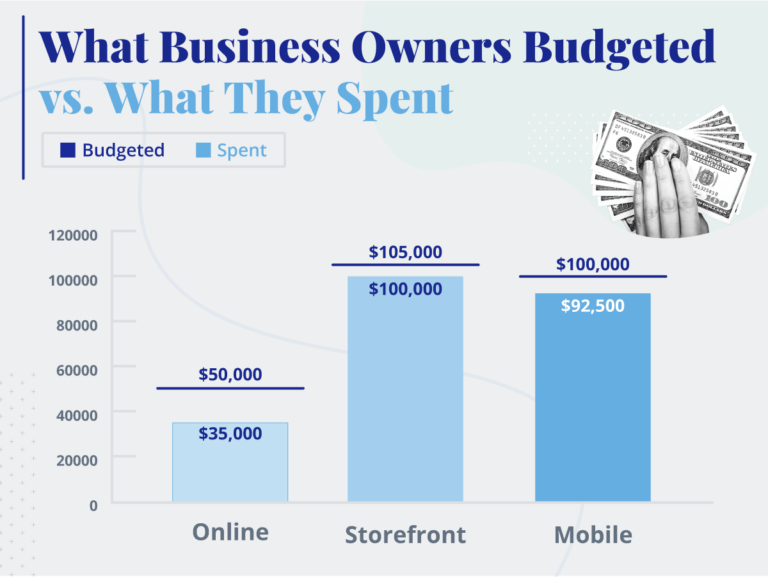
Credit: www.swing2app.com
Initial Considerations
Establishing a business involves several crucial steps. You need to evaluate these steps carefully to ensure success. These initial considerations are the foundation of your business journey. Each step requires attention to detail and thoughtful planning.
Identifying Your Business Model
The first task is to identify your business model. This helps in outlining how your business will make money. There are various business models to choose from. Common ones include:
- Retail: Selling goods directly to consumers.
- Service-based: Offering services to customers.
- Subscription: Charging customers a recurring fee.
- Franchise: Using a proven business model.
Choosing the right business model impacts your startup costs. Each model has unique financial requirements. For instance, a retail business needs a physical location. A service-based business might need specialized equipment. Understanding your business model helps in planning your budget.
Market Research Essentials
Market research is vital for any new business. It helps you understand your target audience. You learn about your competitors and industry trends. Conducting thorough market research involves several steps:
- Identify Your Target Market: Know who your customers are.
- Analyze Competitors: Study businesses similar to yours.
- Understand Market Trends: Stay updated on industry changes.
- Gather Customer Feedback: Use surveys and interviews.
Effective market research can save you money. It helps you avoid costly mistakes. For example, knowing what customers want can guide your product development. Market research also helps in pricing your products or services correctly.
These initial considerations form the backbone of your business plan. Proper planning and research at this stage can lead to long-term success.
Legal Formation And Licensing
Starting a business involves many steps. One of the most crucial is legal formation and licensing. This process ensures your business operates legally and is protected by the law. Understanding the costs involved can help you budget effectively.
Choosing The Right Business Structure
Choosing the right business structure is essential. It affects your taxes, liability, and ability to raise capital. The common structures are:
- Sole Proprietorship: Easy to set up, minimal costs.
- Partnership: Shared responsibilities, moderate costs.
- Limited Liability Company (LLC): Protects personal assets, moderate costs.
- Corporation: Best for raising capital, higher costs.
Here is a table showing the average costs for each structure:
| Business Structure | Average Cost |
|---|---|
| Sole Proprietorship | $50 – $100 |
| Partnership | $100 – $500 |
| LLC | $100 – $800 |
| Corporation | $500 – $1,000 |
Permits And Licenses: Navigating The Maze
Getting the right permits and licenses is crucial for compliance. The costs vary depending on your business type and location. Here are some common permits and licenses:
- Business License: Required for most businesses, costs vary.
- Health Permits: Necessary for food-related businesses, costs vary.
- Sales Tax Permit: Needed if selling taxable goods, usually free.
- Professional Licenses: Required for certain professions, costs vary.
Each permit or license has specific requirements. Researching these early can save time and money. The costs can range from $50 to several hundred dollars.
Office Space And Location
Establishing a business involves various costs, and one of the significant expenses is office space and location. The right office space can impact your business operations and success. Let’s explore the factors to consider.
To Lease Or To Buy?
Deciding whether to lease or buy office space depends on your business needs and budget. Leasing can be ideal for startups with limited funds. It allows flexibility and lower upfront costs.
Buying office space can be a good investment if you have enough capital. It provides stability and potential property appreciation. Consider your long-term business goals when making this decision.
Location Analysis For Maximum Impact
The location of your office can greatly affect your business. Analyzing the location is crucial for attracting customers and employees.
- Accessibility: Ensure the office is easily accessible for employees and clients. Proximity to public transportation is a plus.
- Visibility: A highly visible location can attract more customers. Consider areas with high foot traffic.
- Competitors: Analyze the presence of competitors in the area. Being close to competitors can be beneficial or detrimental.
- Amenities: Look for nearby amenities like restaurants and banks. These can improve employee satisfaction.
Below is a table summarizing the pros and cons of leasing versus buying office space:
| Factor | Leasing | Buying |
|---|---|---|
| Upfront Cost | Low | High |
| Flexibility | High | Low |
| Maintenance | Less Responsibility | Owner’s Responsibility |
| Investment Value | None | Potential Appreciation |
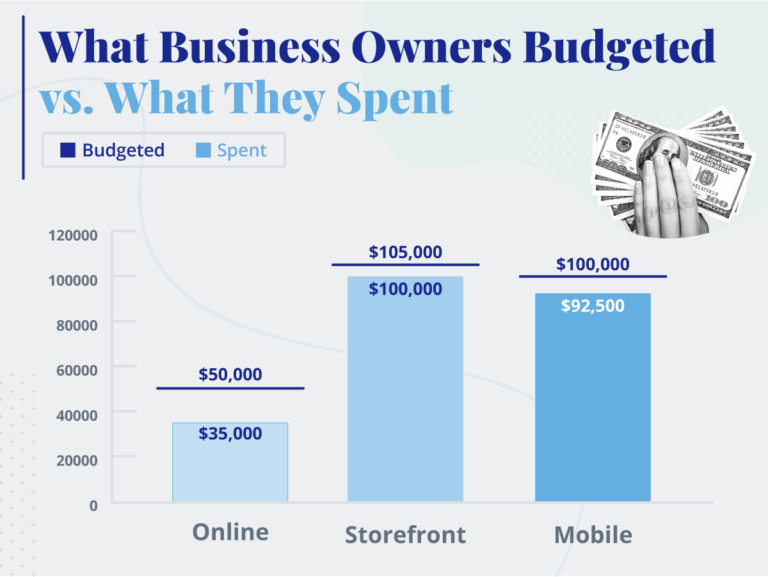
Choosing the right office space and location is a critical decision. It can influence your business’s success and growth. Weigh the pros and cons carefully to make an informed choice.
Credit: www.business.org
Technology And Equipment
Setting up a business involves many costs, and technology and equipment play a crucial role. These tools can streamline operations and enhance productivity. This section will explore essential tech for startups and ways to balance quality and cost.
Essential Tech For Startups
Startups need various tech tools to operate smoothly. Here are some must-have items:
- Computers and Laptops: Essential for tasks like accounting, marketing, and communication.
- Software: Includes accounting software, CRM systems, and project management tools.
- Internet Service: Reliable, high-speed internet is a must for all online activities.
- Printers and Scanners: Necessary for handling physical documents.
- Mobile Devices: Smartphones and tablets keep you connected on the go.
Balancing Quality And Cost
Investing in tech can be expensive. The key is to balance quality and cost. Here are some tips:
- Assess Your Needs: Identify what your business truly needs. Avoid overspending on unnecessary gadgets.
- Compare Brands: Look at different brands and read reviews. Choose reliable yet affordable options.
- Consider Leasing: Leasing equipment can be cheaper initially. It also allows for upgrades.
- Look for Deals: Keep an eye on sales and discounts. This can save a lot of money.
- Buy in Bulk: Purchasing multiple items at once can often result in discounts.
Below is a table summarizing some average costs for essential tech:
| Item | Average Cost (USD) |
|---|---|
| Computers and Laptops | $500 – $1500 |
| Software | $100 – $1000 per year |
| Internet Service | $50 – $100 per month |
| Printers and Scanners | $100 – $500 |
| Mobile Devices | $200 – $1000 |
Hiring Your Team
Building a successful business requires a strong team. Hiring your team means investing in people who share your vision. Let’s dive into the costs associated with this critical aspect.
The Cost Of Talent
The cost of talent varies by industry and role. Entry-level positions might cost less, while specialized roles often demand higher salaries. Consider the following:
- Entry-level employees: $30,000 – $50,000 per year
- Mid-level professionals: $50,000 – $80,000 per year
- Senior executives: $100,000+ per year
These figures can fluctuate based on location and experience. Hiring the right talent ensures your business thrives.
Creating A Competitive Compensation Package
A competitive compensation package attracts top talent. It includes more than just salary. Think about benefits and perks.
| Compensation Element | Typical Cost |
|---|---|
| Health Insurance | $500 – $1,000 per employee/month |
| Retirement Plans | 5% – 10% of salary |
| Paid Time Off | 2 weeks – 4 weeks |
| Bonuses | 10% – 20% of salary |
Benefits play a crucial role in employee satisfaction. They impact your overall costs but are essential for retention.
Consider offering flexible work hours, remote work options, and professional development opportunities. These perks can set you apart from competitors.
Marketing And Branding
Starting a business involves more than just setting up shop. You need to invest in marketing and branding to attract customers. This section will discuss the costs associated with building your brand and implementing digital marketing strategies.
Building Your Brand From Scratch
Creating a brand identity is crucial. It includes your logo, color scheme, and overall design aesthetic.
| Branding Element | Estimated Cost |
|---|---|
| Logo Design | $300 – $1,000 |
| Business Cards | $50 – $200 |
| Website Design | $1,000 – $5,000 |
Investing in a professional logo is important. It will be the face of your business. Business cards offer a tangible way to connect with clients. A well-designed website is essential for online presence.
Digital Marketing Strategies
Digital marketing includes various strategies to promote your business online. These strategies can range from social media marketing to email campaigns.
- Social Media Marketing: Costs range from $100 to $1,000 per month.
- Email Marketing: Expect to spend $50 to $500 per month.
- Search Engine Optimization (SEO): Budget between $500 and $2,000 per month.
Social media marketing helps you connect with customers on platforms like Facebook and Instagram. Email marketing is cost-effective and targets your audience directly. Investing in SEO improves your visibility on search engines.
Marketing and branding are essential for business growth. Budget wisely to see the best results.
Operational Costs
Operational costs are the ongoing expenses required to keep your business running smoothly. These costs can vary depending on the type and size of your business. Understanding these expenses is crucial for long-term success. Below, we explore two main components of operational costs: managing inventory and suppliers, and streamlining day-to-day expenses.
Managing Inventory And Suppliers
Managing inventory and suppliers can be one of the most significant operational costs. Proper inventory management ensures you have the right products available at the right time. It also helps avoid overstocking or stockouts. Building strong relationships with suppliers can lead to better pricing and terms.
- Inventory Software: Investing in inventory management software can save time and reduce errors.
- Storage Costs: Depending on your products, you may need warehouse space, which adds to your costs.
- Supplier Agreements: Negotiate favorable terms with suppliers to manage costs effectively.
Effective inventory management requires constant monitoring and adjustments. Keeping track of trends and customer demands can help in this area.
Streamlining Day-to-day Expenses
Day-to-day expenses are the recurring costs needed to keep your business operational. Streamlining these expenses can improve your bottom line.
- Utilities: These include electricity, water, and internet services. Monitoring usage can help reduce costs.
- Employee Salaries: Payroll is often one of the largest expenses. Efficient scheduling can help manage this cost.
- Office Supplies: Regularly review your office supply needs to avoid unnecessary purchases.
Using technology can significantly reduce daily expenses. For example, energy-efficient equipment can lower utility bills. Automated systems can streamline payroll and administrative tasks.
Below is a table summarizing some common operational costs and their potential impact:
| Category | Potential Cost Impact |
|---|---|
| Inventory Management | High |
| Supplier Agreements | Medium |
| Utilities | Low to Medium |
| Employee Salaries | High |
| Office Supplies | Low |
By effectively managing these operational costs, businesses can improve their financial health and focus on growth and expansion.
Funding And Financial Planning
Starting a business is a thrilling journey. But without proper funding and financial planning, it can quickly become overwhelming. It’s essential to know your options and plan your budget wisely. This section will guide you through exploring funding options and forecasting and budgeting.
Exploring Funding Options
There are various ways to fund your new business. Each option has its own benefits and drawbacks.
- Personal Savings: Using your own money is the simplest way. You don’t owe anyone and avoid interest rates.
- Friends and Family: Borrowing from loved ones can be easier. But it can also strain relationships if the business struggles.
- Bank Loans: Banks offer business loans with set interest rates. Make sure to have a solid business plan.
- Angel Investors: Wealthy individuals invest in startups for equity. They can provide valuable advice and connections.
- Venture Capital: Venture capital firms invest large sums in high-potential startups. They also take a share of ownership.
- Grants and Subsidies: Government grants don’t need repayment. They often have strict eligibility criteria.
Forecasting And Budgeting
Effective forecasting and budgeting are crucial for business success. They help you predict future financial health and allocate resources wisely.
Here’s a simple table to help you understand the key components of budgeting:
| Component | Description |
|---|---|
| Income | All expected revenue from sales and other sources. |
| Fixed Costs | Regular expenses like rent, salaries, and insurance. |
| Variable Costs | Costs that change, such as materials and utilities. |
| Unexpected Expenses | Funds set aside for emergencies and unplanned costs. |
Follow these steps for accurate forecasting:
- Estimate your initial startup costs.
- Project your monthly income and expenses.
- Monitor and adjust your budget regularly.
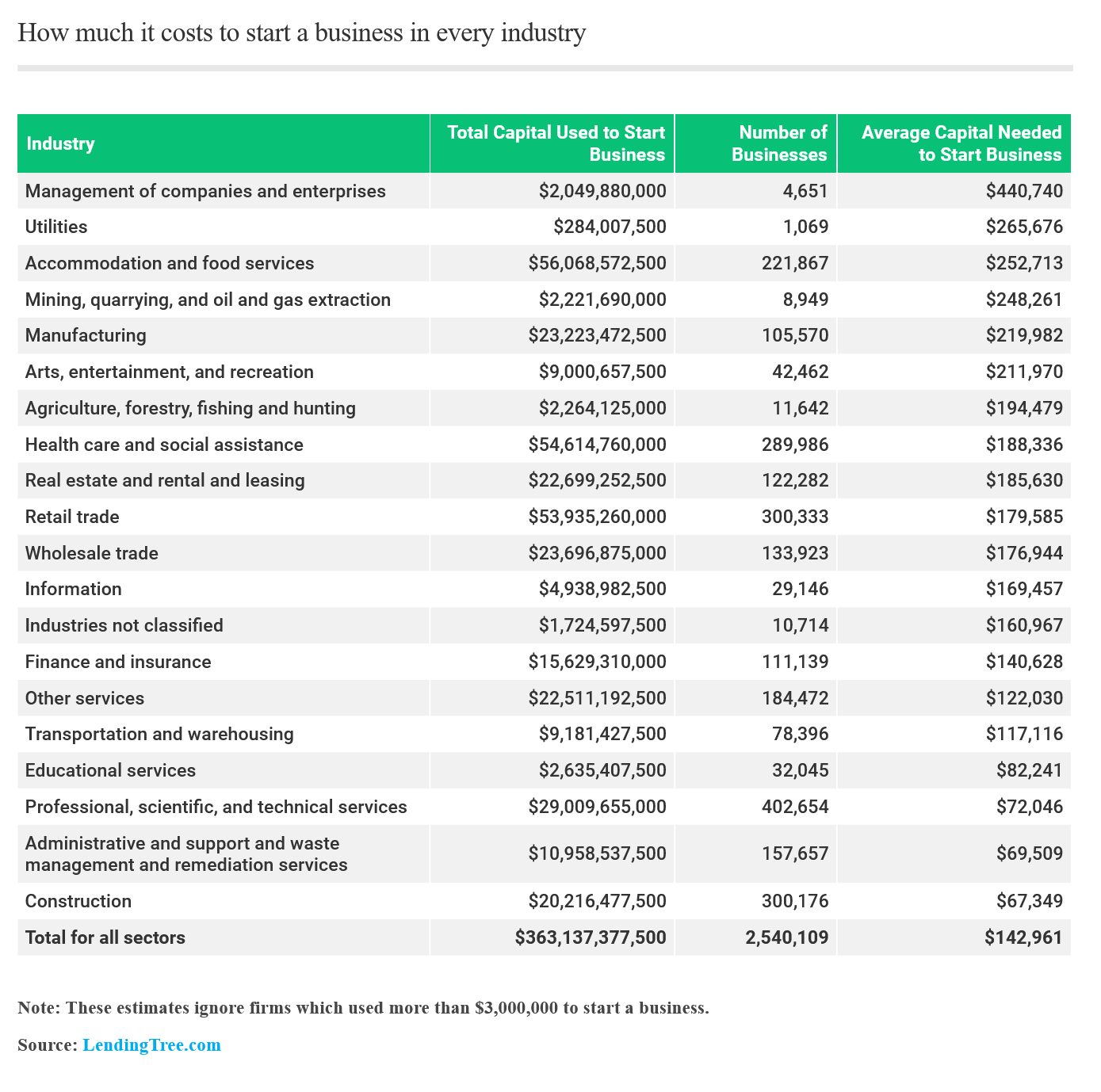
By understanding funding options and implementing robust financial planning, you set your business up for success. Keep your finances in check and stay prepared for any financial challenges.
Credit: www.lendingtree.com
Frequently Asked Questions
What Is The Average Cost To Start A Business?
The average cost to start a business ranges from $2,000 to $5,000. Expenses vary based on industry and location.
What Is One Cost Of Starting Your Own Business?
One cost of starting your own business is initial capital investment. This includes expenses for equipment, inventory, and legal fees.
What Are 3 Startup Costs For A Business?
Three startup costs for a business include office space rent, equipment purchases, and marketing expenses. These are essential for launching and running operations smoothly.
How Much Does It Cost To Start A Business From Scratch?
Starting a business costs vary. It can range from $2,000 to $100,000, depending on the industry and scale. Plan your budget accordingly.
Conclusion
Establishing a business involves various costs, from permits to marketing. Careful planning ensures better financial management. Understanding these expenses helps in setting realistic budgets. Prioritize essential costs to avoid overspending. With a clear strategy, launching a business becomes more manageable.
Start smart and watch your business thrive.