Optimize your Shopify store for search engines and leverage social media marketing to attract visitors. Implement email marketing and collaborate with influencers.
Drawing visitors to your Shopify store requires a combination of effective strategies. Optimizing your site for search engines is crucial, ensuring your products and content rank high in search results. Social media marketing plays a vital role in driving traffic, engaging potential customers through platforms like Instagram, Facebook, and Pinterest.
Email marketing helps in nurturing relationships with your audience, keeping them informed about new products, offers, and updates. Collaborating with influencers can also significantly boost your reach, tapping into their established follower base. By consistently applying these techniques, you can steadily increase the number of visitors to your Shopify store.
Elevating Your Shopify Store’s Appeal
Elevating your Shopify store’s appeal is crucial for attracting visitors. A visually appealing and user-friendly store helps retain customers and boosts sales. Focus on crafting a stunning storefront and optimizing for user experience.
Crafting A Stunning Storefront
A beautiful storefront is the first thing visitors notice. Use high-quality images and videos to showcase your products. Ensure your brand’s colors and fonts are consistent throughout the site. This creates a professional look that builds trust.
Consider these tips for a stunning storefront:
- Use high-resolution images for product photos.
- Implement a clean and simple layout.
- Ensure your logo is prominently displayed.
- Choose a color scheme that matches your brand.
- Make sure text is readable and attractive.
Optimizing For User Experience
An excellent user experience keeps visitors on your site. Ensure your store is easy to navigate and mobile-friendly. Fast loading times are critical for retaining customers. Simplify the checkout process to reduce cart abandonment.
Here are some tips to optimize user experience:
- Use clear, concise product descriptions.
- Provide easy navigation with a simple menu.
- Ensure your site is responsive on all devices.
- Optimize images and videos for faster loading.
- Offer multiple payment options for convenience.
| Feature | Benefit |
|---|---|
| High-Quality Images | Attracts customers and showcases products. |
| Responsive Design | Ensures a seamless experience on all devices. |
| Fast Loading Times | Reduces bounce rates and keeps visitors engaged. |
Credit: apps.shopify.com
Leveraging Seo For Increased Visibility
Boosting your Shopify store’s visibility online is crucial. SEO can help you achieve this goal. This process involves optimizing various elements of your site. These elements include keywords and backlinks. Let’s dive into how you can leverage SEO to attract more visitors.
Keyword Optimization Strategies
Start by identifying the right keywords. Use tools like Google Keyword Planner or Ahrefs. These tools help you find popular search terms. Focus on long-tail keywords. They are less competitive and more specific.
Incorporate these keywords into your product descriptions. Also, use them in titles, meta descriptions, and alt texts. Avoid keyword stuffing. It can harm your ranking.
Here’s a simple table to help you understand keyword placement:
| Element | Keyword Placement |
|---|---|
| Title | Include the primary keyword |
| Meta Description | Use the primary keyword naturally |
| Product Description | Integrate both primary and secondary keywords |
| Alt Text | Add the keyword to image descriptions |
Building Backlinks To Boost Authority
Backlinks are links from other sites to yours. They help boost your site’s authority. Quality backlinks can improve your search engine ranking. Here are some ways to build backlinks:
- Reach out to bloggers for guest posts.
- Submit your site to online directories.
- Collaborate with influencers for mentions.
- Join relevant forums and communities.
Focus on quality over quantity. Backlinks from reputable sites are more valuable. Use tools like Moz or SEMrush to track your backlinks.
Harnessing The Power Of Social Media
Social media is a game-changer for your Shopify store. It drives traffic, builds brand awareness, and creates a community around your products. Let’s explore how you can harness its power.
Creating Shareable Content
Shareable content can boost your store’s visibility. Create posts that resonate with your audience. Use high-quality images and engaging videos.
- Post product demos
- Share customer reviews
- Create behind-the-scenes content
Consider using infographics and memes. They are visually appealing and easy to share. Always include a call-to-action. Encourage your followers to share your content.
Engaging With Your Audience
Engagement is key to building a loyal customer base. Respond to comments and messages promptly. Show your audience you care about their opinions.
- Ask questions in your posts
- Host live Q&A sessions
- Run polls and surveys
Engage with your followers’ content as well. Like their posts, leave comments, and share their stories. This builds a two-way relationship and fosters trust.
| Action | Benefit |
|---|---|
| Respond to comments | Builds trust |
| Host live sessions | Increases engagement |
| Share user-generated content | Enhances credibility |
Remember, social media is a two-way street. The more you engage, the more your audience will engage with you.
Utilizing Paid Advertising
Paid advertising can significantly boost traffic to your Shopify store. By investing in targeted ads, you can reach a larger audience. This can lead to more clicks, higher conversions, and increased sales. Below are two key strategies to consider: Strategizing PPC Campaigns and Retargeting for Conversions.
Strategizing Ppc Campaigns
Pay-per-click (PPC) campaigns can be a game-changer for your Shopify store. PPC allows you to only pay for actual clicks on your ads. This ensures that your budget is spent efficiently. To start, use keyword research tools to identify high-performing keywords. These keywords should be relevant to your products.
Next, create compelling ad copy. Your ads should include a clear call to action (CTA). A strong CTA encourages users to visit your store. Use high-quality images that showcase your products. Good visuals can grab attention and entice users to click.
| Step | Action |
|---|---|
| 1 | Conduct keyword research |
| 2 | Create compelling ad copy |
| 3 | Use high-quality images |
| 4 | Set a budget and bid strategy |
| 5 | Monitor and optimize |
Set a budget that aligns with your business goals. Choose a bid strategy that maximizes your return on investment (ROI). Regularly monitor your campaigns and adjust as needed. Track metrics such as click-through rate (CTR) and conversion rate.
Retargeting For Conversions
Retargeting focuses on users who have already visited your store. These users are more likely to convert. Retargeting ads remind them of your products. Use tools like Facebook Pixel or Google Ads for retargeting.
First, segment your audience based on their behavior. For example, target users who abandoned their shopping cart. Next, create tailored ads for each segment. Use dynamic ads to show products users have viewed.
- Segment your audience
- Create tailored ads
- Use dynamic ads
Offer incentives like discounts to encourage conversions. Retargeting can also improve brand recall. This makes users more likely to return to your store. Regularly analyze your retargeting campaigns. Adjust your strategy based on performance metrics.
Both PPC and retargeting require ongoing optimization. Invest time and resources to refine your strategies. Paid advertising can significantly boost your Shopify store’s traffic and sales.
Content Marketing To Drive Traffic
Content marketing is a powerful way to attract visitors to your Shopify store. By creating valuable content, you can engage your audience, build trust, and drive traffic. Let’s explore some effective content marketing strategies.
Blogging For Brand Awareness
Blogging helps you reach a wider audience. It allows you to share your expertise and connect with potential customers. Here are some tips to get started:
- Identify your target audience: Know who your readers are.
- Create valuable content: Write about topics your audience cares about.
- Use keywords: Optimize your blog posts with relevant keywords.
- Promote your blog: Share your posts on social media and email newsletters.
Blogging regularly can improve your search engine rankings. It can also establish your brand as an authority in your niche. Use engaging headlines and eye-catching images to attract readers. Make sure your content is easy to read and informative.
Video Content To Engage Customers
Videos are an excellent way to engage your audience. They can showcase your products and tell your brand’s story. Here are some ways to use video content:
- Product demos: Show how your products work.
- Customer testimonials: Share positive feedback from happy customers.
- Behind-the-scenes: Give a glimpse of your business operations.
- Tutorials: Teach your audience how to use your products.
Videos are more engaging than text alone. They can capture attention and keep visitors on your site longer. Post videos on your website, YouTube, and social media. Use eye-catching thumbnails and compelling titles to attract viewers.

Credit: www.linkedin.com
Email Marketing Campaigns
Email marketing campaigns are essential for driving traffic to your Shopify store. They help you connect directly with potential customers. This connection can translate into increased sales and brand loyalty. By building an email list and crafting compelling newsletters, you can create effective email marketing campaigns.
Building An Email List
Your email list is the backbone of your marketing campaign. Start by capturing visitor emails through sign-up forms on your website. Offer incentives like discounts or free shipping to encourage sign-ups.
Use a clear and concise call-to-action (CTA). The CTA should be visible and engaging. Place it strategically on your homepage, blog posts, and product pages.
Leverage social media platforms to promote your sign-up forms. Engage with your followers and direct them to your email sign-up. Collaborate with influencers in your niche to expand your reach.
Segment your email list to tailor your messages. This helps you send relevant content to different customer groups. Segmentation can be based on purchase history, browsing behavior, or demographics.
Crafting Compelling Newsletters
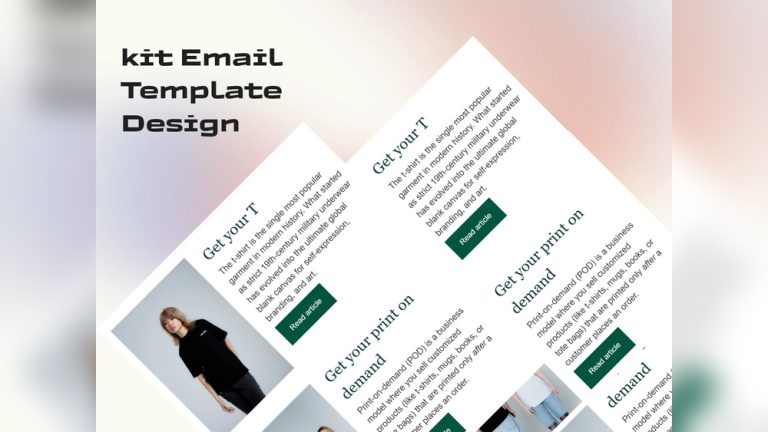
Creating newsletters that captivate your audience is crucial. Start with a catchy subject line. It should grab attention and entice recipients to open the email.
Personalize your newsletters to make them more engaging. Use the recipient’s name and tailor the content to their interests. Personalized emails have higher open rates and engagement.
Include high-quality images of your products. Visual content can make your newsletters more appealing. Ensure the images are relevant and showcase your products effectively.
Provide valuable content that resonates with your audience. Share tips, how-to guides, and exclusive promotions. This keeps your subscribers interested and engaged.
Make sure your newsletters have a clear and compelling CTA. Guide your readers to take action, whether it’s visiting your store or making a purchase.
Use A/B testing to optimize your newsletters. Test different subject lines, images, and CTAs. Analyze the results and refine your approach for better performance.
Track the performance of your email campaigns. Monitor open rates, click-through rates, and conversions. Use this data to improve your future newsletters.
Partnerships And Collaborations
Building strong partnerships and collaborations can significantly boost your Shopify store’s traffic. Collaborating with influencers and complementary brands opens up new avenues for exposure and growth. Let’s explore some effective strategies to get visitors through partnerships and collaborations.
Influencer Marketing Essentials
Influencer marketing is a powerful tool for driving traffic. An influencer can introduce your products to a large audience. Here are some essentials:
- Identify Influencers: Find influencers in your niche. Use tools like BuzzSumo or Instagram.
- Engage Authentically: Build genuine relationships. Comment on their posts and share their content.
- Offer Value: Provide exclusive discounts or free products. Make it worthwhile for them.
- Measure Results: Track traffic and sales generated. Use UTM parameters and analytics.
Cross-promotions With Complementary Brands
Cross-promotions with complementary brands can expand your reach. It’s a win-win for both parties involved. Here’s how to do it:
- Identify Complementary Brands: Look for brands that complement your products. Use social media and industry events.
- Propose Collaboration: Reach out with a clear proposal. Explain the mutual benefits.
- Develop a Joint Campaign: Create a campaign that benefits both brands. Use social media, email marketing, and blog posts.
- Track Performance: Monitor the campaign’s success. Use analytics to gauge traffic and sales impact.
Effective partnerships and collaborations can drive significant traffic to your Shopify store. Implement these strategies to see a boost in visitors and sales.
Analyzing And Adapting
Running a successful Shopify store requires constant improvement. Understanding how visitors interact with your store is key. You need to analyze data and make necessary adjustments. This section covers two crucial aspects: utilizing analytics and A/B testing.
Utilizing Analytics To Track Performance
Analytics tools are essential for tracking your store’s performance. Shopify offers built-in analytics. Use these to understand customer behavior.
- Monitor conversion rates to see how many visitors become buyers.
- Track traffic sources to know where visitors come from.
- Analyze average order value to see how much customers spend.
These metrics help you identify what’s working and what’s not. Adjust your strategy based on this data. A simple table can help you keep track:
| Metric | Current Value | Target Value |
|---|---|---|
| Conversion Rate | 2.5% | 4.0% |
| Traffic Sources | Organic: 60%, Paid: 40% | Organic: 70%, Paid: 30% |
| Average Order Value | $50 | $70 |
A/b Testing For Store Optimization
A/B testing helps you find the best version of your store. It involves creating two versions of a page and comparing their performance.
- Identify a page or element to test. For example, the homepage or call-to-action button.
- Create two versions of this element. Version A is the original. Version B has the changes.
- Split your traffic between the two versions.
- Measure which version performs better using key metrics.
Common elements to A/B test include:
- Headlines
- Product descriptions
- Images
- Calls-to-action
Use tools like Google Optimize or Optimizely for A/B testing. This helps you make data-driven decisions. Your goal is to continually improve your Shopify store.
Credit: www.upwork.com
Frequently Asked Questions
How Do I Increase Traffic To My Shopify Store?
To increase traffic, optimize your store for SEO, use social media marketing, and run targeted ads. Collaborate with influencers, create engaging content, and offer promotions to attract visitors. Regularly update your site with fresh content.
What Are The Best Marketing Strategies For Shopify?
The best strategies include SEO optimization, email marketing, social media engagement, and influencer partnerships. Running Google and Facebook ads can also be effective. Content marketing, such as blogging and video creation, helps in attracting and retaining customers.
How Can I Improve My Shopify Store’s Seo?
To improve SEO, use relevant keywords in product descriptions, titles, and meta tags. Optimize images with alt text, improve page load speed, and create a blog with valuable content. Regularly update your store and build backlinks.
What Role Do Social Media Play In Shopify Traffic?
Social media platforms drive traffic by promoting products and engaging with potential customers. Share content regularly, use targeted ads, and collaborate with influencers. Utilize Instagram, Facebook, and Pinterest to showcase products and attract visitors.
Conclusion
Boosting traffic to your Shopify store takes effort and strategy. Implement SEO, leverage social media, and create engaging content. Collaborate with influencers and utilize email marketing to enhance visibility. By consistently applying these tactics, you’ll attract more visitors and grow your online business effectively.
Keep refining your approach to see continuous improvement.