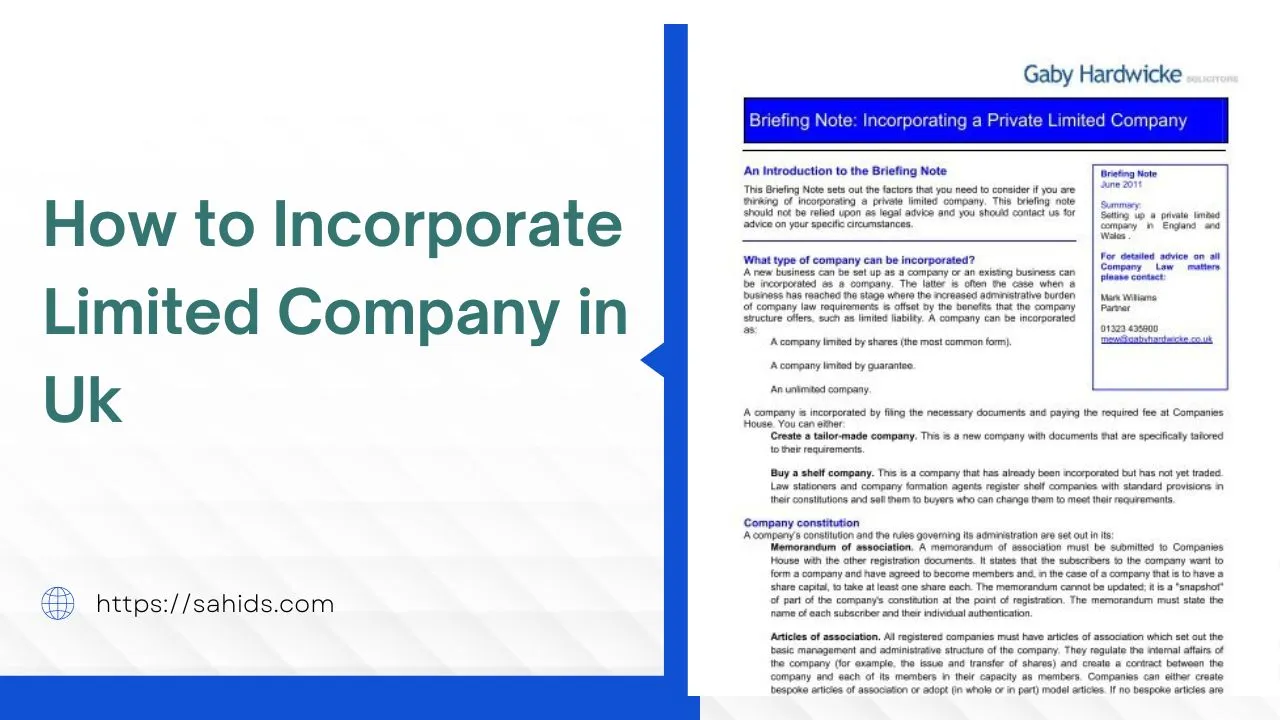
To incorporate a limited company in the UK, register with Companies House online or post a paper application. Select a company name and address, appoint directors and shareholders, and submit the Memorandum and Articles of Association.
Incorporating a limited company in the UK is a straightforward but essential process for entrepreneurs aiming to formalize their business dealings. Careful consideration is required in choosing a unique company name that complies with regulations and does not infringe on existing trademarks.
The company must also have a physical address within the UK to serve as the official correspondence location. All appointments of directors and shareholders must adhere to UK corporate law, and these details will become a matter of public record. The memorandum of association declares the intention to form a company, and the articles of association outline the company’s governance and internal rules. Submitting these documents, along with the correct fee, ensures legal recognition and helps to protect personal assets from business liabilities.
What Is A Limited Company?
Are you curious about starting a company in the UK? You might consider a “Limited Company.” This type of business keeps your personal assets safe if things don’t go as planned. Let’s explore what makes a Limited Company unique and why it could be the right choice for you.
Distinct Features Of A Limited Company
A Limited Company stands out with special traits:
- Separate Legal Entity: It acts as its own person in the law’s eyes.
- Limited Liability: Your money risk is limited to what you put in.
- Shareholders and Directors: Owners and managers can be different people.
- Company Name Protection: Once registered, no one else can take your company’s name.
- Professional Status: Having ‘Ltd’ after your business name can look very professional.
Benefits Of Choosing A Limited Structure
Creating a Limited Company has many advantages:
| Benefit | Description |
|---|---|
| Financial Security | Your personal assets stay secure if your company faces trouble. |
| Tax Efficiency | Save on taxes compared to being self-employed. |
| Investment Potential | Easier to get funding as investors can buy shares. |
| Brand Strength | A ‘Ltd’ can make your business appear more trusted. |
Types Of Limited Companies In The Uk
Deciding to start a business is exciting. The first step is choosing the right type of limited company in the UK. Each kind serves different business needs. Let’s explore the types and find the best fit for your vision.
Private Companies Limited By Shares
Private companies limited by shares are the most common type for small to medium-sized businesses. Shareholders own the company, and their liability is limited to the value of their shares. Here are key features:
- Shareholders’ liability is limited.
- Profits distributed through dividends.
- Cannot offer shares to the public.
Private Companies Limited By Guarantee
In private companies limited by guarantee, members don’t own shares. Instead, they guarantee a set amount of money to cover company debts. This structure suits non-profits, clubs, or charities. Consider these points:
- No share capital involved.
- Members’ liability is limited to the amount they guarantee.
- Typically not aimed at profit-generation.
Public Limited Companies (plcs)
Public Limited Companies (PLCs) are larger businesses that can sell shares to the public. They can raise capital from public investors, but with greater regulatory requirements. Key distinctions include:
| Feature | Detail |
|---|---|
| Minimum share capital | £50,000 |
| Share trading | On a regulated market |
| Regulatory compliance | Stricter than private companies |
Pre-incorporation Considerations
Starting a business is an exciting journey, and incorporating a limited company in the UK is a significant step. Before diving into the legal process, some essential elements need consideration. These pre-incorporation considerations lay a solid foundation for your future enterprise.
Selecting A Company Name
Your company’s name is its first impression, so choose wisely. It should be unique, memorable, and reflect your business’s essence. The UK government has specific rules about naming your company. Here’s what you need to know:
- The name must be distinct from existing companies.
- It cannot contain offensive language or sensitive terms without permission.
- Avoid trademarks to prevent legal issues.
- The name must end with ‘Limited’ or ‘Ltd’ to indicate limited liability.
Defining Business Activities
Clarify what your business will do. This step involves deciding the nature of your business activities. The Standard Industrial Classification (SIC) codes describe your company’s business activities.
These codes help:
- Identify your industry.
- Inform HM Revenue and Customs (HMRC) for tax purposes.
Understanding Share Structure And Value
Your company’s share structure influences ownership and control. Decide on the number of shares and their value early on. Consider these points:
| Aspect | Description |
|---|---|
| Share Types | Different shares can have different rights and values. |
| Value per Share | Choose a realistic value for each share, often £1. |
| Share Allocation | Decide who owns shares and how many they will own. |
| Voting Rights | Some shares grant voting rights in company decisions. |
Credit: www.upwork.com
Setting Up Your Limited Company
Setting up a Limited Company in the UK is an exciting step on your business journey. It’s a process that involves careful planning and understanding the legal requirements. Registering a company address, appointing directors and secretaries, and allocating shares to shareholders are the key steps to consider. Let’s explore each of these crucial steps to get your business started on the right foot.
Registering A Company Address
Your company needs an official address. It’s where all the legal papers go. This address must be in the UK. You can use your home address, an office location, or a professional address service. Make sure your company address is public and follow all the rules.
Appointing Directors And Secretaries
Directors run your company. You need at least one. They must be 16 or older. A secretary is optional but can help with paperwork. Choose people you trust. They must agree to their roles and understand the rules.
- Check: Everybody’s eligible to be a director or secretary.
- Decide: Who’s responsible for what in your company.
- Record: Their personal details for company records.
Allocating Shares To Shareholders
Shares represent ownership. Decide how many shares your company has. Think about the value of each share. Shareholders can be people or other companies. They have rights based on their shares.
| Share Type | Value | Rights |
|---|---|---|
| Ordinary | £1 | Voting, Dividends |
| Preference | £1 | Dividends First |
- Plan: How to split shares among shareholders.
- Agree: On the rights each shareholder gets.
- Fill Out: Relevant forms to register shareholders.
The Incorporation Process
Starting a limited company in the UK is an exciting step. The process is straightforward but requires attention to detail. By following the steps correctly, a business can be legally established and ready for trading. This guide explains how to incorporate a limited company, focusing on online and postal registration, the IN01 form, and creating the memorandum and articles of association.
Online Vs Postal Registration
Registering a company can be done online or by post. Online registration is quicker and can be completed in 24 hours. To register online, use the Companies House Web Incorporation Service or third-party software. Postal registration involves sending paper forms and can take 8-10 days. Use form IN01 and send it to Companies House with the necessary documents.
Filling Out The In01 Form
The IN01 form is vital for registering your company. It asks for crucial details like:
- Company name
- Registered office address
- Director’s details
- Secretary’s details (if applicable)
- Shareholder’s information
- Share capital and prescribed particulars
Check and double-check this form to avoid errors.
Memorandum And Articles Of Association
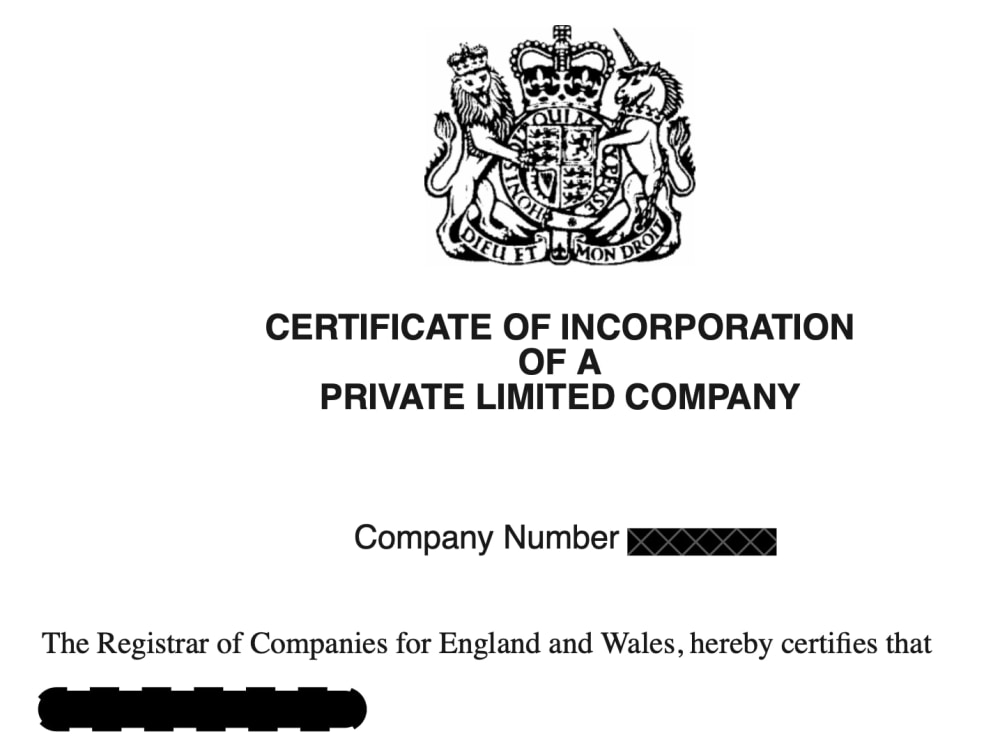
These documents are your company’s foundation. The memorandum states each subscriber’s intention to form a company and take at least one share. The articles of association are rules about running the company agreed upon by the members, directors, and the company itself. Templates for these documents are available, but ensure they meet your company’s specific needs.
Understanding The Costs Involved
Embarking on a business venture is exciting. Forming a limited company in the UK comes with specific costs. It is essential to grasp these financial requirements before starting. This ensures a smooth company set-up process.
Registration FeesRegistration Fees
Setting up a company in the UK involves distinct registration fees. These are payable to Companies House:
- Standard Registration – Typically, this costs £12 and is done online.
- Same-Day Registration – For a faster service, the cost increases to £100.
Aside from direct registration fees, you may also incur charges if you use professional services.
Ongoing Compliance CostsOngoing Compliance Costs
After registration, ongoing compliance costs come into play.
| Compliance Requirement | Cost (Approx.) |
|---|---|
| Annual Confirmation Statement | £13 (online) |
| Annual Accounts Filing | Varies |
Remember that penalties can apply for late submissions.
Routine legal and accounting services also add to the overall expenses for maintaining compliance.
Post-incorporation Obligations
After your company comes to life, the journey has just begun. Your new entity carries several “Post-Incorporation Obligations” to keep it compliant and in good standing.
Setting Up Company Records
Once your company stands tall, it’s time to keep its history in check. Organizing company records is not only wise but required. These are like your company’s diary, listing directors, shareholders, and decisions.
- Statutory books: Your company’s story, including a list of officers.
- Register of members: A who’s who of the ownership stake.
- Meeting minutes: What was said, by who, and when? Document it.
Reporting To Companies House
Tell the world of your company’s progress. Annual filings are a snapshot of your company’s financial health and activities.
- Confirmation Statement: An annual update on company details is due.
- Annual Accounts: A yearly summary of financial activities must be prepared.
- Event-driven filings: Report changes promptly, such as director appointments or address shifts.
Tax Responsibilities And Hmrc Registration
Money matters. It’s crucial. Understanding tax duties is key to avoid penalties. Your company must kiss the ring of HMRC. Registration is a must for VAT, Corporation Tax, and PAYE if you hire.
| Tax | Action | Deadline |
|---|---|---|
| VAT | Register if turnover exceeds threshold | 1 month after limit breach |
| Corporation Tax | Register within 3 months of trading | Payable 9 months and 1 day after year-end |
| PAYE | Register before first payday | Monthly submissions |
Credit: bbcincorp.com
Common Mistakes To Avoid When Incorporating
Embarking on the journey of incorporating a limited company in the UK is thrilling. Yet, this process is complex with pitfalls to avoid. Awareness of common mistakes helps streamline incorporation.
Overlooking Detailed Planning
Success in company formation hinges on detailed planning. Enterprises often rush the incorporation process without a comprehensive business plan. This oversight can lead to:
- Muddled company structure
- Unclear corporate objectives
- Inadequate financial projections
Always craft a clear plan before incorporation. It ensures a robust foundation for future operations.
Misunderstanding Tax Obligations
Tax obligations can be a maze for new entities. Common tax misconceptions include:
| Tax Element | Common Misunderstanding |
|---|---|
| Corporation Tax | Assuming registration with Companies House covers tax. |
| VAT | Confusing the threshold for VAT registration. |
Seek expert advice to navigate tax requirements. It saves time and prevents penalties.
Neglecting Shareholders’ Agreements
Shareholders’ agreements outline rights and obligations. Companies often bypass formal agreements. This neglect can lead to:
- Disputes among shareholders
- Unclear exit strategies
- Difficulties in decision making
Execute shareholders’ agreements early. It secures stability and clarity for all parties involved.
Future Considerations For Your New Entity
Once your company is live, thinking ahead is crucial. Your business structure should be built with future goals in mind. It’s not just about getting started; it’s about sustaining and growing in the days to come. Consider the right strategies and protections to secure your business’s path.
Planning For Growth
Set clear objectives. Know where you aim to be in one, five, or ten years. Strategic planning is key. Think about:
- Market expansion
- New products or services
- Scaling up operations
- Staffing needs
Invest in technology to streamline processes. Use tools for:
- Customer management
- Financial tracking
- Project management
Company Insurance And Liability
Protecting your business is critical. Insurance shields against unforeseen circumstances. Think about:
- Professional indemnity insurance
- Public liability insurance
- Employers’ liability insurance
Review coverage regularly as your business grows. Ensure it meets all legal requirements.
Maintaining Annual Compliance
Stay on top of legal obligations. Submit necessary documents on time. Ensure your company remains in good standing. Key documents include:
| Document | Purpose | Deadline |
|---|---|---|
| Annual Accounts | Financial health report | 9 months after year-end |
| Confirmation Statement | Company details update | Once a year |
| Corporation Tax Return | HMRC tax filing | 12 months after year-end |
Consider hiring an accountant to manage finances. Keep your operation smooth.

Credit: www.youtube.com
Frequently Asked Questions Of How To Incorporate Limited Company In Uk
What Is A Limited Company In The Uk?
A limited company in the UK is a business structure where the owners’ liability is limited to their shares. It’s a separate legal entity from its owners, meaning personal assets are protected in case of debt or legal action.
How To Register A Limited Company In The Uk?
To register a limited company in the UK, you must choose a company name, prepare documents (Memorandum and Articles of Association), and file them with Companies House. Registration can be done online or via post.
What Documents Are Needed For Company Incorporation?
The key documents for incorporating a company in the UK are the Memorandum of Association, Articles of Association, Form IN01, and details of directors and shareholders. These documents outline the company structure and governance.
How Long Does It Take To Incorporate In The Uk?
Incorporating a company in the UK typically takes 24 hours when done online. Postal applications can take 8-10 days. Same-day service is available for an extra fee if the application is submitted by 3 pm.
Conclusion
Embarking on the journey of establishing a limited company in the UK can be streamlined with proper guidance. Remember to abide by legal requirements and choose the right structure for success. Seek professional advice when needed, and use accessible online resources to ease the process.
Here’s to your business thriving in a robust UK market!