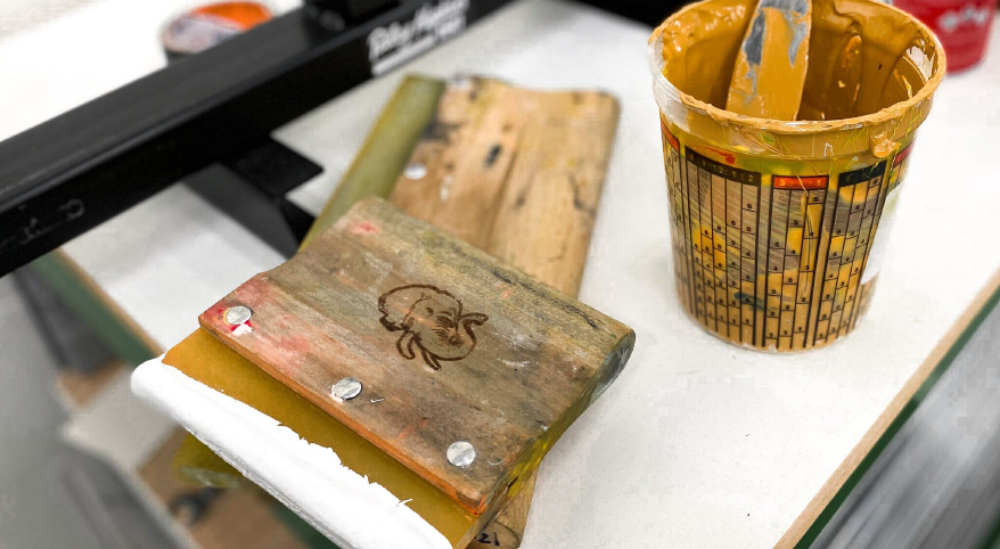
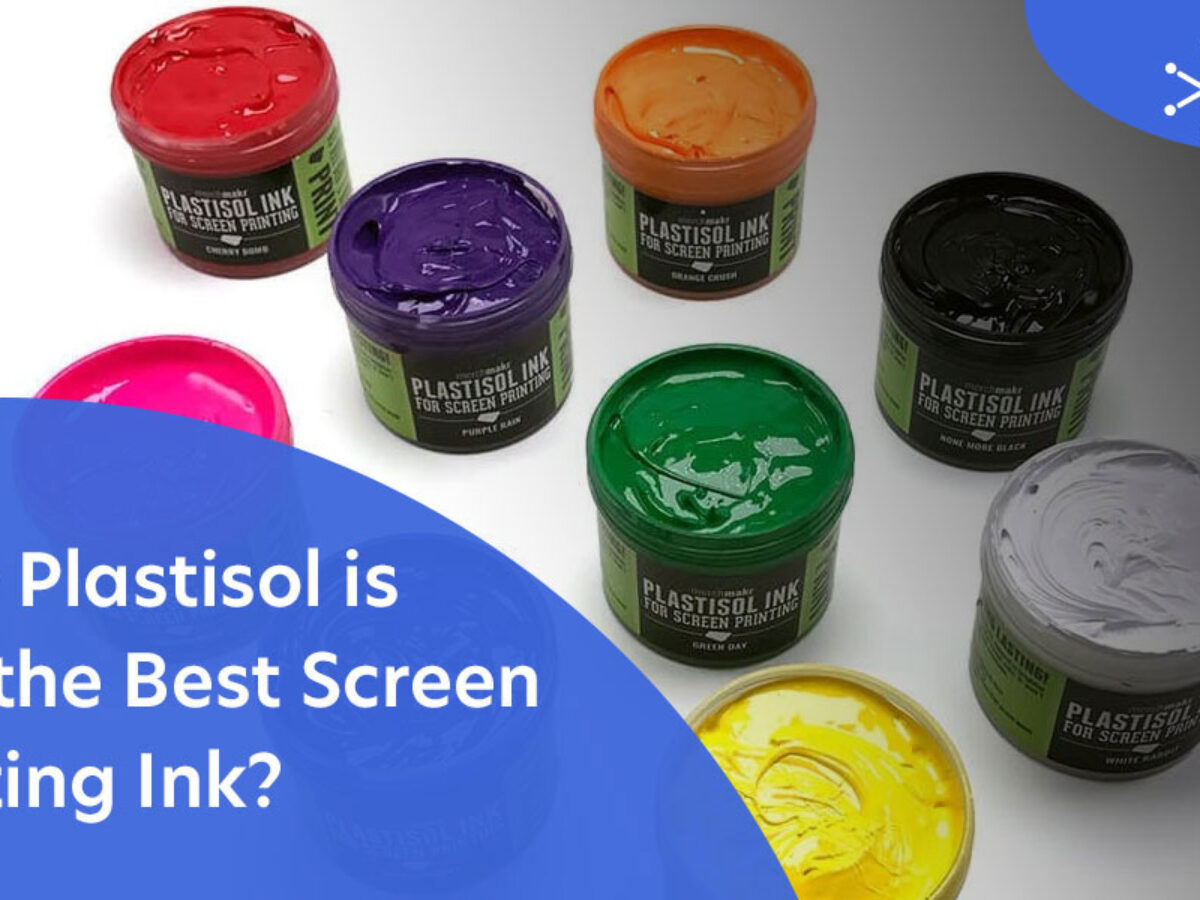
Plastisol ink is best for screen printing due to its durability and vibrant colors. It offers excellent opacity on dark fabrics.
Screen printing requires choosing the right ink for optimal results. Plastisol ink stands out as the top choice for many screen printers. Its thick consistency creates vibrant, durable prints that last through multiple washes. This ink type is easy to work with, especially for beginners, as it doesn’t dry out quickly on the screen.
Water-based inks are another option, providing a softer feel and eco-friendliness, but they require more skill. Each ink type has its unique advantages, making the choice dependent on specific project needs. Understanding these options helps achieve the best screen printing results.
Credit: screenprintingmag.com
The Art Of Screen Printing
The art of screen printing has evolved over centuries. It blends tradition with modernity. Choosing the right ink is crucial for quality prints. This section dives into the rich history and modern techniques of screen printing.
Historical Context
Screen printing, also known as serigraphy, has deep roots. It originated in China during the Song Dynasty (960–1279 AD). The technique spread to Japan and other Asian countries. Early methods used human hair as a mesh screen. It was then attached to a wooden frame.
By the 18th century, screen printing reached Europe. Artists and craftsmen began experimenting with new materials. Silk mesh became popular due to its fine weave. This shift allowed for more detailed designs. The Industrial Revolution further modernized the process. Machines replaced manual labor, increasing production speed.
In the 20th century, screen printing exploded in popularity. Andy Warhol’s artwork in the 1960s brought it mainstream attention. His vibrant, bold prints showcased screen printing’s potential in art.
Modern Techniques
Today, screen printing is a blend of art and science. Advanced technology has revolutionized the process. There are several ink types, each suited for different needs.
| Ink Type | Characteristics | Best Used For |
|---|---|---|
| Plastisol Ink | Thick, durable, vibrant colors | Apparel, sportswear |
| Water-Based Ink | Soft, eco-friendly, breathable | Posters, textiles |
| Discharge Ink | Removes dye, soft finish | Dark-colored fabrics |
| UV Ink | Quick-drying, high detail | Signs, decals |
Choosing the right ink depends on the desired outcome. Plastisol ink is ideal for vibrant prints on apparel. Water-based ink offers a softer feel, perfect for posters and textiles. Discharge ink is excellent for dark fabrics, creating a soft finish by removing dye. UV ink, known for its quick-drying nature, is best for signs and decals.
Modern screen printers also use advanced equipment. Automatic presses speed up the process. Digital tools assist in design and precision. The combination of traditional techniques and modern innovations makes screen printing a versatile art form.
- Use of advanced technology
- Variety of ink types
- Automatic presses for efficiency
- Digital tools for precision
Understanding the history and modern advancements in screen printing helps in making informed choices. Selecting the right ink enhances the quality and durability of prints.
Credit: imprintnext.com
Types Of Inks Used In Screen Printing
Screen printing involves various types of inks. Each type offers unique benefits. Understanding these inks helps in choosing the best one for your needs.
Plastisol Inks
Plastisol inks are popular in screen printing. They are thick and durable. Plastisol inks sit on top of the fabric. This creates a bold and vibrant print.
- Easy to use
- Long-lasting
- Requires heat to cure
Water-based Inks
Water-based inks are eco-friendly. They soak into the fabric. This results in a soft feel.
- Environmentally friendly
- Soft on the fabric
- Needs more care in handling
Discharge Inks
Discharge inks remove the dye from the fabric. This leaves a natural color behind. Ideal for dark fabrics.
- Works well on dark fabrics
- Soft finish
- Requires proper ventilation
Specialty Inks
Specialty inks add unique effects. They include metallic, glitter, and puff inks. These inks make designs stand out.
- Creates unique effects
- Can be combined with other inks
- Requires specific techniques
Factors Affecting Ink Selection
Choosing the right ink for screen printing is crucial. Various factors influence this decision. These factors include the material of the substrate, durability needs, and finish preferences.
Material Of The Substrate
The type of material you print on greatly affects ink choice. Different materials react differently to inks. For instance, cotton fabric absorbs ink well. Polyester requires special inks to prevent bleeding. Glass and metal need inks with strong adhesion properties.
| Material | Recommended Ink |
|---|---|
| Cotton | Plastisol Ink |
| Polyester | Sublimation Ink |
| Glass | UV Ink |
Durability Requirements
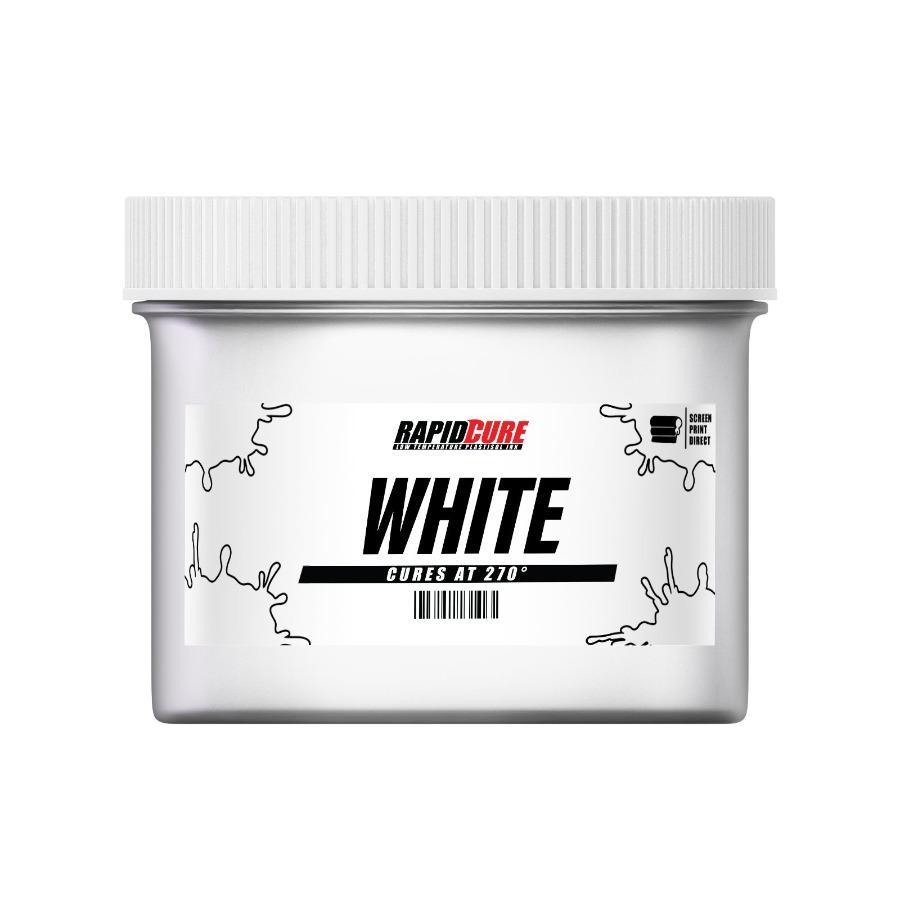
Durability is another key factor. If the print needs to last long, select more durable inks. Plastisol inks are very durable. They are great for items that require frequent washing. Water-based inks are less durable but eco-friendly. UV inks offer excellent resistance to sunlight and weather conditions.
- Plastisol Ink: Best for durability and frequent washing.
- Water-Based Ink: Eco-friendly but less durable.
- UV Ink: Ideal for outdoor use.
Finish And Texture Preferences
The finish and texture of the print also matter. Glossy inks provide a shiny finish. Matte inks offer a non-reflective surface. Soft-hand inks give a softer feel to the touch. High-density inks create a raised, three-dimensional effect.
- Glossy Finish: Shiny and reflective surface.
- Matte Finish: Non-reflective and smooth.
- Soft-Hand Feel: Soft to the touch.
- High-Density Effect: Raised, 3D texture.
Credit: screenprintdirect.com
Comparing Water-based And Plastisol Inks
Choosing the right ink for screen printing is crucial. Two popular options are water-based and plastisol inks. Each has its own set of pros and cons, which we’ll explore in this section.
Viscosity And Texture
Water-based inks are typically thinner and more fluid. This makes them easier to work with for fine details. They create a softer feel on the fabric, almost like it’s part of the material. Plastisol inks, on the other hand, are thicker. They provide a raised texture on the fabric. This is great for bold, vibrant designs but may feel heavier on the garment.
Curing And Drying Process
The curing process is essential for ink longevity. Water-based inks require more heat and time to cure. They need to be completely dry to the touch. This can be done using a conveyor dryer or heat press. Plastisol inks cure faster and at a lower temperature. They only need to reach a specific temperature to set, making the process quicker and simpler.
Environmental Considerations
Environmental impact is a significant factor. Water-based inks are more eco-friendly. They contain fewer harmful chemicals and are easier to clean up with water. Plastisol inks contain PVC and require solvents for cleanup. This makes them less environmentally friendly.
| Aspect | Water-Based Inks | Plastisol Inks |
|---|---|---|
| Viscosity and Texture | Thinner, Softer Feel | Thicker, Raised Texture |
| Curing and Drying Process | Longer, Higher Heat | Shorter, Lower Heat |
| Environmental Considerations | More Eco-Friendly | Less Eco-Friendly |
Advancements In Ink Technology
Screen printing has evolved remarkably with new ink technologies. These innovations provide better results and are user-friendly. They cater to diverse needs, from environmental concerns to achieving vibrant prints.
Eco-friendly Options
Eco-friendly inks are now a reality. These inks reduce harm to the environment. They use water-based and non-toxic ingredients. This means less pollution and safer handling.
Benefits of Eco-Friendly Inks:
- Non-toxic and safe for users
- Biodegradable and reduce waste
- Low VOC (Volatile Organic Compounds) emissions
Many brands now offer eco-friendly options. They cater to businesses aiming for sustainability. These inks are perfect for eco-conscious consumers.
High-opacity Solutions
High-opacity inks are crucial for vibrant prints. They ensure that colors stand out on any fabric. These inks provide excellent coverage, especially on dark fabrics.
Features of High-Opacity Inks:
- Brilliant and vivid colors
- Excellent coverage on dark backgrounds
- Durable and long-lasting prints
High-opacity inks have improved significantly. They now offer better consistency and reliability. This makes them ideal for professional screen printers.
Practical Tips For Choosing The Right Ink
Choosing the right ink for screen printing can be tricky. The ink you pick affects the final product’s quality, durability, and appearance. Here are some practical tips to help you make the best choice.
Matching Ink To Project Needs
Different projects need different inks. Consider the fabric type first. Cotton, polyester, and blends each respond differently to inks.
- Cotton: Water-based inks work well on cotton. They provide a soft feel.
- Polyester: Use plastisol inks for polyester. These inks prevent dye migration.
- Blends: A mix of water-based and plastisol inks often works best for blends.
Think about the design details. Fine lines and small text need inks that hold detail well.
| Project Type | Recommended Ink |
|---|---|
| Detailed Designs | Plastisol Ink |
| Large, Bold Designs | Water-Based Ink |
Testing Inks Before Production
Always test inks before full production. This ensures the ink works well with your material and design.
- Print a small sample on the fabric.
- Check for color accuracy and vibrancy.
- Assess the ink’s durability by washing the sample.
Evaluate drying time. Fast-drying inks can speed up production but may require special handling.
Observe the ink’s texture. Ensure it meets the desired feel and finish for your project.
Maintenance And Care For Screen Printing Inks
Proper maintenance and care for your screen printing inks ensure longevity and optimal performance. Taking the right steps can save you time and money. Let’s explore the best practices for storing, handling, and cleaning up your screen printing inks.
Storage And Handling
Storing screen printing inks correctly is crucial for their longevity. Always keep inks in airtight containers. This prevents them from drying out and becoming unusable.
Store the containers in a cool, dry place. Extreme temperatures can affect the ink’s quality. Avoid direct sunlight as UV rays can cause inks to degrade.
Label each container with the date of purchase. This helps in using older inks first, maintaining freshness in your stock.
| Storage Tips | Why It’s Important |
|---|---|
| Use airtight containers | Prevents drying out |
| Store in cool, dry places | Maintains ink quality |
| Avoid direct sunlight | Prevents degradation |
| Label with purchase date | Keeps track of freshness |
Cleaning Up After Printing
Cleaning up properly after each printing session prolongs the life of your screens and tools. Use a mild solvent or ink remover to clean the screens. This ensures no ink residue is left behind.
Follow these steps for effective cleaning:
- Scrape excess ink off the screen.
- Apply a mild solvent or ink remover.
- Use a soft brush to scrub the screen gently.
- Rinse with warm water and let it dry.
Clean squeegees and spatulas immediately after use. This prevents ink from hardening on the tools. Regular maintenance of your equipment ensures better prints and longer-lasting tools.
Frequently Asked Questions
What Are The Two Types Of Screen Printing Ink?
The two main types of screen printing ink are plastisol and water-based ink. Plastisol ink is durable and versatile. Water-based ink offers a softer feel and eco-friendly option.
Can You Use Any Ink For Screen Printing?
No, you cannot use any ink for screen printing. Use inks specifically designed for screen printing for best results. Different materials require different inks. Plastisol, water-based, and discharge inks are common choices. Always choose the right ink for your fabric type.
Is Water-based Or Plastisol Ink Better?
Water-based ink is better for a soft feel and eco-friendliness. Plastisol ink offers vibrant colors and durability.
Can You Use Acrylic Ink For Screen Printing?
Yes, you can use acrylic ink for screen printing. It offers vibrant colors and durability. Ensure proper curing for best results.
Conclusion
Choosing the right ink for screen printing is crucial for quality results. Consider your project needs and desired effects. Water-based, plastisol, and discharge inks each offer unique benefits. Evaluate factors like fabric type, durability, and ease of use. By understanding these elements, you can make an informed decision for your screen printing success.