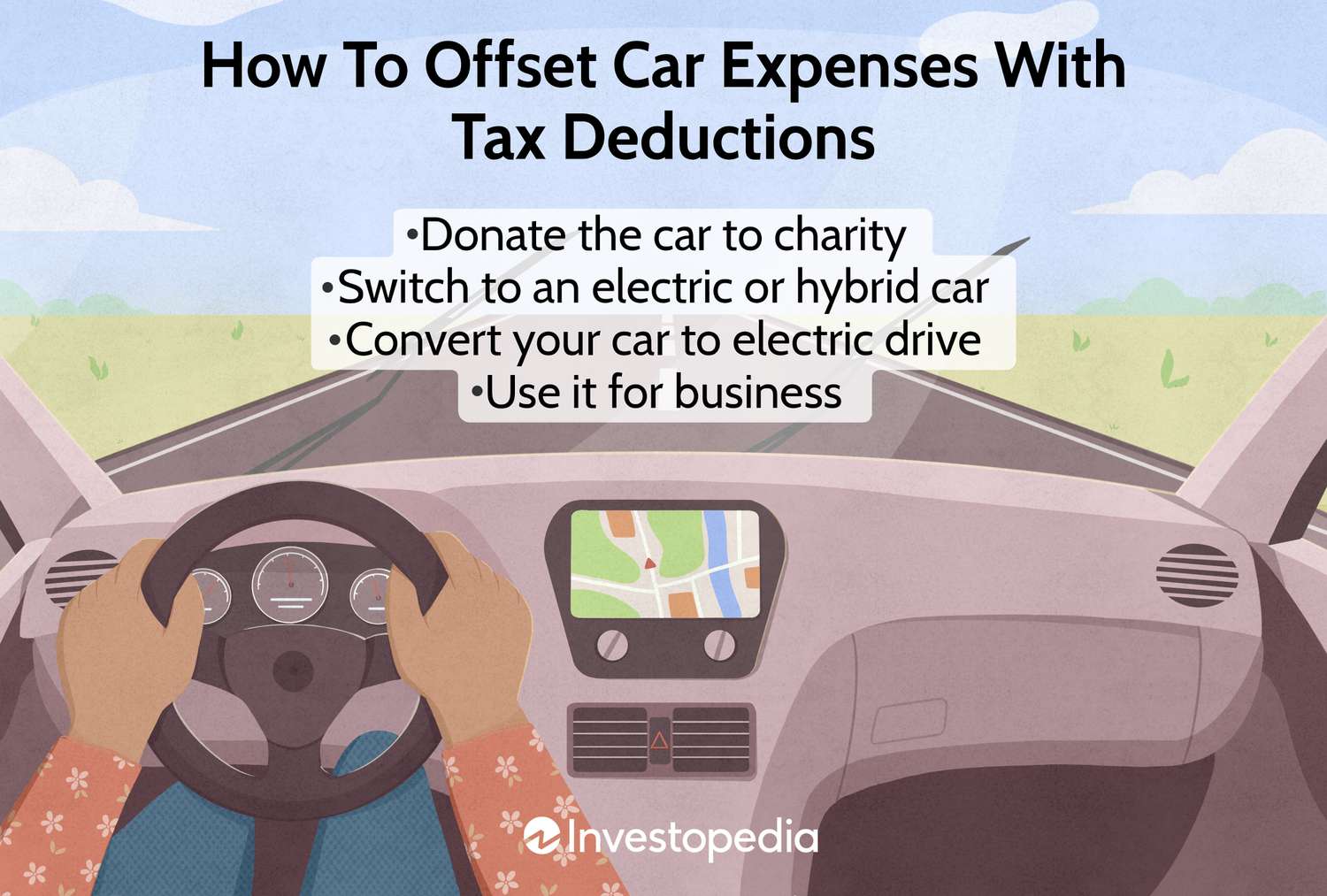
Yes, car insurance can be a business expense if the vehicle is used for business purposes. This allows you to deduct the cost from your taxable income.
Car insurance as a business expense can benefit entrepreneurs and small business owners. Deducting car insurance costs can help lower taxable income, providing financial relief. Eligibility depends on the vehicle’s use for business activities. Accurate record-keeping is essential to differentiate between personal and business use.
Understanding these nuances can maximize tax deductions and optimize financial planning. Many business owners overlook this potential deduction, missing out on significant savings. Consulting a tax professional can ensure proper documentation and compliance. Taking advantage of these deductions can contribute to overall business success and sustainability.
Introduction To Car Insurance As A Business Expense
Many business owners wonder if car insurance can be a business expense. Understanding this can save your business money. It’s important to know the rules and benefits. Let’s explore how car insurance can be a business expense.
The Concept Of Deducting Car Insurance
You can deduct car insurance for business purposes. This means you reduce your taxable income. To do this, your vehicle must be used for business. The IRS allows this deduction for qualified expenses.
| Expense Type | Deductibility |
|---|---|
| Commercial Auto Insurance | Fully Deductible |
| Personal Auto Insurance (Business Use) | Partially Deductible |
Types Of Business Use For Personal Vehicles
Personal vehicles can be used for business in several ways. Here are some common types:
- Delivering goods to customers
- Meeting with clients
- Running business errands
- Traveling between job sites
Each type of use affects your deduction. The more you use the car for business, the higher the deduction. Keep detailed records of your business use.

Credit: www.insuredaily.co.uk
Eligibility Criteria For Deducting Car Insurance
Determining whether car insurance can be a business expense is essential. The eligibility criteria vary based on the business structure. This guide will explore the specific conditions for sole proprietorships and corporations.
Sole Proprietorships And Car Insurance
Sole proprietors can deduct car insurance if they use the vehicle for business. The key is to ensure the car is used primarily for business purposes. Personal use must be minimal.
- Maintain a detailed log of business-related miles.
- Separate personal and business expenses.
- Use the car mainly for business activities.
Keeping accurate records is crucial. This will help in proving the business use of the vehicle. The IRS requires this documentation.
Corporations And Car Insurance Deductions
Corporations have different rules for deducting car insurance. The vehicle must be owned or leased by the company. Personal use by employees should be minimal.
| Criteria | Details |
|---|---|
| Ownership | The company must own or lease the vehicle. |
| Usage | The car should be used primarily for business. |
| Documentation | Keep detailed records of business use. |
Corporations should have a clear policy on vehicle use. This ensures proper documentation and compliance.
Calculating Business Use Proportion
Calculating the business use proportion of your car is essential for determining if car insurance can be a business expense. This calculation helps to distinguish between personal and business use. By accurately calculating this, you can maximize your business deductions.
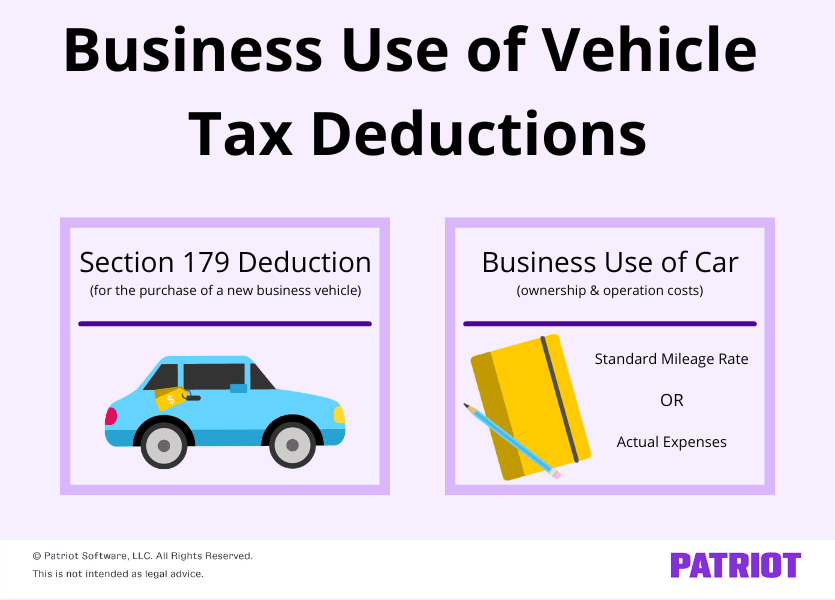
Actual Expense Method
The Actual Expense Method allows you to deduct the actual costs of running your car for business. This includes gas, repairs, and insurance. To use this method, you must maintain thorough records of all expenses. Here’s a breakdown:
- Fuel costs
- Maintenance and repairs
- Insurance premiums
- Lease payments
Keep receipts and a detailed log of business mileage. This method can be more advantageous if your car expenses are high.
Standard Mileage Rate Method
The Standard Mileage Rate Method simplifies the process. It allows you to deduct a set rate per business mile driven. This rate is determined annually by the IRS. To calculate, follow these steps:
- Track the total miles driven for business.
- Multiply these miles by the standard rate.
For example, if the rate is 58.5 cents per mile, and you drove 1,000 business miles, your deduction would be $585. This method requires less documentation but may offer a smaller deduction if your actual expenses are high.
| Method | Requirements | Best For |
|---|---|---|
| Actual Expense Method | Detailed records of all expenses | High car expenses |
| Standard Mileage Rate Method | Tracking business miles | Simpler record-keeping |
Documentation And Record-keeping
Effective documentation and record-keeping are crucial for claiming car insurance as a business expense. This ensures you have all the evidence needed for tax purposes. Proper records also help in case of an audit.
Importance Of Accurate Mileage Logs
Maintaining accurate mileage logs is essential. This helps separate personal and business use of the vehicle. An accurate log should include:
- Date of trip
- Purpose of trip
- Starting location
- Ending location
- Total miles driven
Using a mileage tracking app can simplify this process. Accurate logs ensure you claim the correct business expense.
Receipts And Insurance Statements
Keeping all receipts and insurance statements is vital. These documents provide proof of payment and coverage. Store these records in an organized manner:
- Monthly insurance premium receipts
- Annual insurance statements
- Any claim documents
Consider using a digital storage system. This can make retrieval easier during tax season. Proper documentation supports your business expense claims effectively.
Maximizing Deductions Legally
Businesses often seek ways to maximize their deductions. One area to consider is car insurance. Understanding how to legally deduct car insurance can save money. It’s essential to know the rules and follow them strictly. Here, we explore how to maximize deductions legally.
Choosing The Right Insurance Plan
Picking the right car insurance plan is crucial. The plan must align with business needs. Evaluate different insurance providers and their offerings. Some plans cater specifically to business use. Ensure that the coverage includes business-related activities. This can help in maximizing deductions.
Consider the following factors when choosing a plan:
- Coverage for business use
- Cost and premiums
- Reputation of the insurance company
- Customer service and support
Choosing wisely can lead to significant savings. It also ensures that deductions are legally compliant.
Common Pitfalls To Avoid
Many businesses make mistakes when deducting car insurance. Avoid these common pitfalls to stay compliant:
- Not keeping accurate records
- Using personal insurance for business purposes
- Failing to differentiate between personal and business use
- Overstating the business use percentage
Accurate record-keeping is essential. Maintain detailed logs of business use. This helps in justifying deductions during audits.
Below is a table showing the difference between personal and business use:
| Criteria | Personal Use | Business Use |
|---|---|---|
| Purpose | Daily commuting, leisure | Client meetings, deliveries |
| Insurance Type | Personal Auto Insurance | Commercial Auto Insurance |
| Deductions | Not deductible | Potentially deductible |
Ensure proper documentation to support your claims. This minimizes risks and maximizes legitimate deductions.
Impact On Premiums
Car insurance premiums can vary significantly. This depends on several factors. One key factor is whether the vehicle is used for business or personal purposes. Understanding these differences can help manage your expenses.
Business Use Vs. Personal Use
Using your car for business can affect your insurance premiums. Business use often leads to higher premiums. This is because business driving usually involves more risks and longer distances.
Insurance companies see business use as more demanding. This can lead to more claims. Therefore, they charge more to cover these potential costs.
In contrast, personal use typically has lower risks. This results in lower insurance premiums. Insurers assume personal driving involves less frequent and less risky trips.
How Deductions Affect Premium Costs
Tax deductions can also play a role in your premium costs. If you use your car for business, you may qualify for tax deductions. These deductions can offset the higher premiums you pay.
Here is a table to summarize the impact:
| Usage Type | Impact on Premium | Tax Deduction Eligibility |
|---|---|---|
| Business Use | Higher Premium | Eligible for Deductions |
| Personal Use | Lower Premium | Not Eligible for Deductions |
Understanding these factors helps you better manage your car insurance costs. Always consult with a tax professional. They can help you maximize your deductions.
Tax Audits And Car Insurance Deductions
Understanding how car insurance can be a business expense is crucial. This can impact your tax audits significantly. Proper documentation is essential to avoid issues during audits.
Preparing For Possible Audits
Tax audits can be stressful, but preparation helps. Keep detailed records of all car insurance expenses. Maintain receipts, invoices, and a mileage log.
- Store documents digitally and physically.
- Update records regularly to avoid last-minute stress.
- Use accounting software for accurate records.
Regularly review your documents for accuracy. Ensure your records align with your business activities.
What Auditors Look For
Auditors focus on the accuracy and legitimacy of your deductions. They verify if the car insurance is used for business purposes.
| Item | Details |
|---|---|
| Mileage Log | Tracks business vs personal use |
| Receipts & Invoices | Proof of insurance payments |
| Usage Explanation | Why the vehicle is essential for business |
Ensure all documentation is accurate and up-to-date. This minimizes the chance of errors during an audit.
Good preparation and clear records make the audit process smoother.
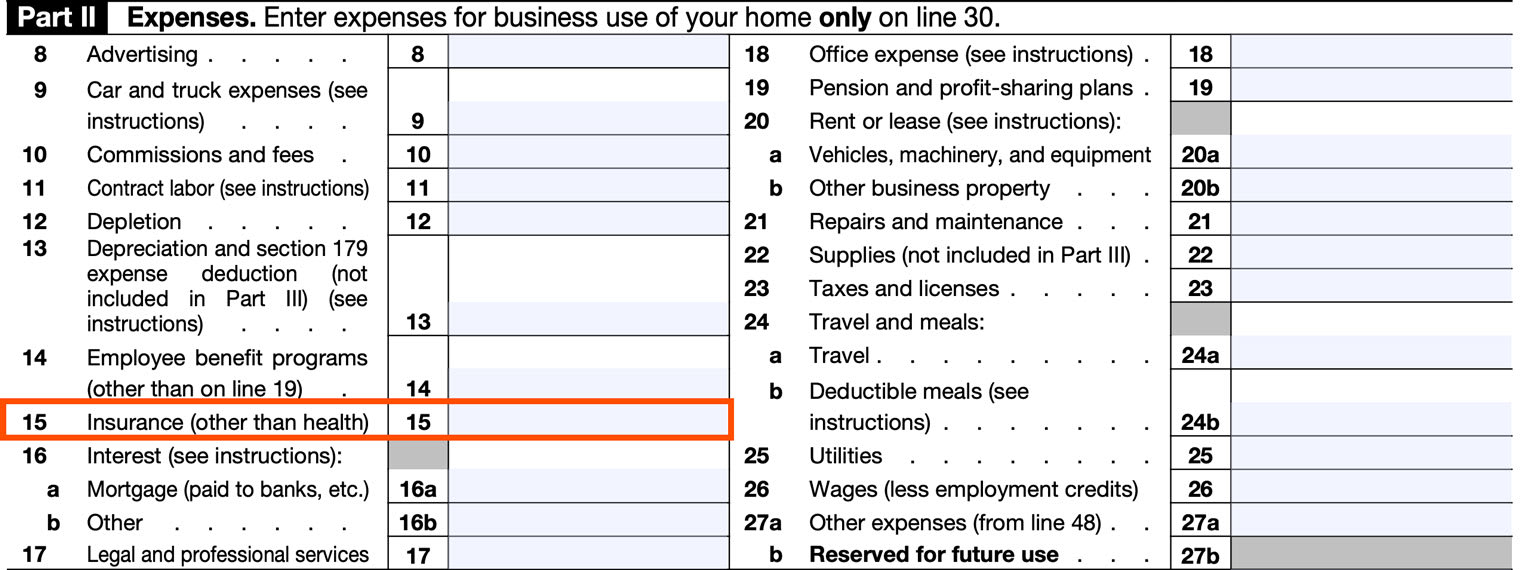
Credit: www.valuepenguin.com
Expert Tips For Entrepreneurs
Being an entrepreneur means wearing many hats, including managing finances. One common question is: can car insurance be a business expense? Here, we offer expert tips for entrepreneurs to navigate this subject.
Consulting With Tax Professionals
Consult a tax professional to understand car insurance as a business expense. They can provide specific advice tailored to your business needs.
Some important factors they consider include:
- Type of vehicle used
- Percentage of business use
- Local tax laws and regulations
Tax professionals can help determine how much of your car insurance qualifies as a business expense. They ensure you stay compliant with tax laws.
Strategies For Startups And Small Businesses
Startups and small businesses can benefit from clear strategies on car insurance. Consider these methods:
- Track mileage for business trips
- Keep detailed records of business-related car usage
- Separate personal and business car expenses
These strategies help in claiming the correct amount for car insurance as a business expense.
Use a table to track your business-related car expenses:
| Month | Miles Driven | Business Use (%) | Insurance Cost |
|---|---|---|---|
| January | 500 | 60% | $60 |
| February | 400 | 50% | $50 |
| March | 450 | 55% | $55 |
Following these expert tips helps in maximizing your business deductions. It also ensures you use your car insurance effectively as a business expense.
Case Studies: Success Stories
Understanding how others have turned their car insurance into a business expense can be enlightening. These case studies showcase real-world examples of savings and lessons from others’ mistakes. Learn how you can make the most out of your car insurance policy for your business.
Real-world Examples Of Savings
Many small business owners have successfully claimed car insurance as a business expense. Here are two detailed examples:
| Business Type | Car Insurance Expense | Annual Savings |
|---|---|---|
| Freelance Photographer | $1,200 | $300 |
| Real Estate Agent | $1,500 | $400 |
The freelance photographer saved $300 annually by documenting business miles. The real estate agent saved $400 by claiming car insurance as a business expense. Both benefited from meticulous record-keeping and understanding tax rules.
Learning From Others’ Mistakes
While many have succeeded, some have faced challenges. Here are a few mistakes to avoid:
- Inaccurate mileage logs: One entrepreneur failed to keep accurate logs and lost deductions.
- Mixing personal and business expenses: A small business owner mixed personal and business use, leading to a tax audit.
- Ignoring professional advice: Another business ignored tax advisor recommendations, resulting in penalties.
By learning from these mistakes, you can better navigate the complexities of car insurance as a business expense.
Credit: www.patriotsoftware.com
Conclusion: Is It Worth It?
Many business owners wonder if car insurance can be a business expense. This decision can impact taxes and compliance. Understanding the benefits and drawbacks helps in making an informed choice.
Balancing Savings And Compliance
Claiming car insurance as a business expense can lead to savings. These savings reduce taxable income, which means paying less in taxes. But it’s essential to stay compliant with tax laws. The IRS has strict rules on what qualifies as a business expense. Non-compliance can result in fines or audits.
To decide, consider these factors:
- Usage: Is the car used mainly for business?
- Documentation: Are there clear records of business use?
- Tax Bracket: Will the tax savings be significant?
Weighing these factors helps in balancing savings and compliance. Keeping detailed records and consulting with a tax professional can provide clarity.
Final Thoughts On Car Insurance As A Business Expense
Car insurance as a business expense can be beneficial. It offers tax savings and helps in managing costs. But the key is proper documentation and understanding the rules.
Here are some final tips:
- Maintain Logs: Keep a log of all business trips.
- Consult Experts: Speak with a tax advisor for advice.
- Separate Policies: Consider separate insurance for business and personal use.
These tips ensure that you get the most out of your car insurance policy. They also help you stay within legal boundaries.
Frequently Asked Questions
Can Car Insurance Be Claimed As A Business Expense?
Yes, car insurance can be a business expense if the vehicle is used for business purposes.
What Qualifies Car Insurance As A Business Expense?
The vehicle must be used primarily for business activities, not personal use.
Is Personal Car Insurance Deductible For Business Use?
No, personal car insurance is not deductible. You need commercial car insurance for business expense deductions.
How To Prove Car Insurance Is A Business Expense?
Maintain detailed records of business use, including mileage logs and purpose of trips.
Conclusion
Determining if car insurance is a business expense depends on its usage. Regularly consult a tax professional. Keep detailed records of business-related car usage. Proper documentation ensures compliance with tax regulations. This approach can maximize potential deductions and streamline financial management for your business.